
Paying the zakat means giving 2.5% of your total qualifying wealth to those in need, once a full lunar year (hawl) has passed on savings that meet or exceed the nisab threshold. Unlike sadaqah, which is voluntary, zakat is one of the Five Pillars of Islam and carries a specific, calculated obligation. The Quran commands it directly in Surah At-Tawbah (9:60), naming eight categories of eligible recipients. Every Muslim who is sane, adult, free, and holds net wealth above the nisab owes it, regardless of where they live. The one rule most people miss: zakat applies to net wealth, not gross income, so debts you owe reduce your calculation. As of 2026, the gold nisab sits at roughly $4,500 USD and the silver nisab at roughly $450 USD, making the silver threshold the one most scholars say to use.
Pay the Zakat: Quick Answer
What it is: A fixed 2.5% annual giving on qualifying wealth, one of Islam’s Five Pillars, not a voluntary act
Who it applies to: Every sane, adult, free Muslim whose net wealth meets or exceeds the nisab threshold for one full lunar year
How much: 2.5% of total qualifying wealth above the nisab, calculated once the hawl (one lunar year) completes
Nisab in USD: About $450 USD (silver standard) or about $4,500 USD (gold standard) as of 2026; most scholars prefer the silver threshold
When: Once per lunar year, after wealth has been held above nisab for a full 12 lunar months
Main rule or exception: Debts reduce your zakat base. If what you owe brings your net wealth below nisab, you don’t owe zakat that year
Most common mistake: Using gross savings instead of net wealth. Subtracting outstanding debts first can change whether you owe zakat at all
Why Paying the Zakat Matters More Now Than Ever
The world’s Muslim population now tops 1.9 billion, according to Pew Research, yet wealth inequality inside the ummah keeps growing. Zakat is the mechanism Islam built to close that gap directly. It doesn’t ask for charity in a vague sense. It sets a binding rate, names who receives it, and gives it the same religious weight as prayer. Every year that a Muslim delays or miscalculates their payment, real families go without support that was already owed to them by divine command. You can see what that obligation looks like in practice at SPAR’s zakat work, where communities from Bangladeshi villages to Rohingya families in Cox’s Bazar receive sustained, structured support funded largely by zakat. The stakes aren’t abstract. They’re specific people, in specific places, waiting on a payment the Quran already guaranteed them.
Key Facts About Paying the Zakat Most People Get Wrong
Zakat is not calculated on income. It’s calculated on wealth, and that distinction changes everything. The Hanafi school calculates the nisab using the silver standard (around $450 USD), while many Shafi’i and Maliki scholars use the gold standard (around $4,500 USD). Imam al-Nawawi noted in Al-Majmu that the hawl must complete before any obligation falls due. That means zakat isn’t a monthly deduction. It’s a single annual reckoning. According to a 2023 estimate cited by the International Food Policy Research Institute, total annual global zakat potential exceeds $300 billion USD, yet only a fraction reaches structured relief programs. Business inventory, gold, silver, cash, and investment holdings all count. A family home, personal clothing, and tools of trade do not. Getting the asset categories right is the step most self-
Key Facts About Paying the Zakat Most People Get Wrong
Zakat is not calculated on income. It’s calculated on wealth, and that distinction changes everything. The Hanafi school calculates the nisab using the silver standard (about $450 USD), while many Shafi’i and Maliki scholars use the gold standard (about $4,500 USD). Imam al-Nawawi noted in *Al-Majmu* that the hawl must complete before any obligation falls due. That means zakat isn’t a monthly deduction. It’s a single annual reckoning. According to a 2023 estimate cited by the International Food Policy Research Institute, total annual global zakat potential exceeds $300 billion USD, yet only a fraction reaches structured relief programs. Business inventory, gold, silver, cash, and investment holdings all count. A family home, personal clothing, and tools of trade do not. Getting the asset categories right is the step most self-calculating Muslims miss.
Who Receives Zakat? The Eight Categories Explained
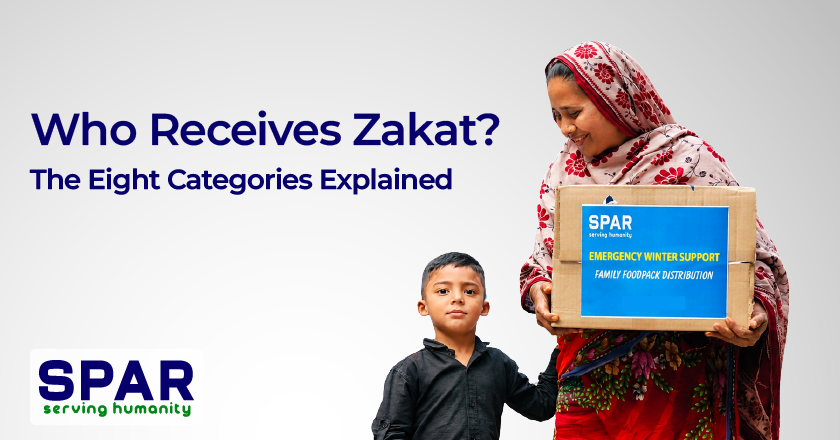
The Quran fixes eight categories of zakat recipients in Surah At-Tawbah (9:60). These are: the poor (fuqara), the needy (masakin), zakat administrators, those whose hearts are to be reconciled, those in bondage, those in debt, those striving in God’s path, and travelers in need. Scholars distinguish the poor from the needy by degree of hardship. Ibn Kathir explains the poor lack basic provision, while the needy fall just below the nisab threshold. This matters practically. Many donors assume the very destitute are the only valid recipients. But someone carrying unpayable debt, or a stranded traveler with no funds, qualifies too. Understanding all eight categories helps donors and charities place funds where they count most.
What About Zakat for Those in Debt?
Someone crushed by debt qualifies for zakat, even if they appear financially stable on the outside. Imam al-Nawawi confirmed this in his legal commentary: the debt must exceed their assets after basic needs. This category is often overlooked. But families across Bangladeshi, Rohingya, and Palestinian communities regularly carry debt burdens from emergencies, medical bills, or flood recovery. A structured zakat program can clear those debts and stop a family from sliding deeper into poverty.
How to Calculate Your Zakat on Gold, Cash, and Investments
You pay the zakat by adding up all zakatable assets, checking whether the total exceeds nisab, confirming the hawl has passed, then paying 2.5% of the total. Gold and silver are assessed at market value on the calculation date. Cash in hand and in bank accounts counts in full. Shares in publicly listed companies count based on the underlying asset value, not the share price alone. Pension funds are a debated area. Many contemporary scholars, including Sheikh Ibn Uthaymeen, advise paying 2.5% on pension amounts you can access or withdraw. The safest approach is to calculate on the accessible portion and pay without delay.
Does Zakat Apply to Business Stock and Trade Goods?
Yes. Business inventory intended for sale is zakatable. You assess it at current market value on your calculation date, add it to your other zakatable assets, and apply the 2.5% rate to the combined total. Raw materials not yet intended for sale are excluded by most scholars. A retailer with $20,000 in stock and $5,000 in cash, holding both for a full hawl, would owe $625 in zakat. Getting this right matters. According to the World Bank, small and medium enterprises form a significant part of economic activity across Muslim-majority countries, meaning business-owner zakat represents a major, often undercalculated share of the global total.
What Happens When You Delay or Avoid Paying the Zakat?
Delay is serious. The Prophet Muhammad (peace be upon him) warned against hoarding wealth. The Quran describes gold and silver stockpiled without zakat as being heated and pressed against the skin on the Day of Judgment, as stated in Surah At-Tawbah (9:34-35). But beyond the spiritual consequence, delay causes real, present harm. When zakat sits uncollected, the families who qualify suffer longer. Sudarian communities displaced by conflict, Rohingya families in temporary settlements, and Bangladeshi households hit by seasonal flooding all depend on consistent, timely flows of support
What Paying Zakat Actually Means for You
Zakat is not optional charity. It is a pillar of Islam, obligatory on every Muslim who holds wealth above the nisab for a full lunar year. The nisab in 2025 sits at roughly $450 using the silver standard, a threshold confirmed by the Fiqh Council of North America. Missing zakat without a valid excuse is a major sin in Islamic law. The families who depend on it, from Bangladeshi households hit by flooding to Palestinian families in besieged areas, cannot wait. Act before your hawl passes.
What If You Missed Zakat From Previous Years?
You owe it. Scholars including Imam al-Nawawi and Ibn Qudamah agreed that missed zakat remains a debt on your wealth. Calculate each year you missed, apply the 2.5% rate to what you held at the time, and pay the total now. Delaying further adds to the debt. The obligation does not expire, and repentance alone does not replace payment.
How to Confirm You Have Paid the Zakat Correctly
Check three things: your nisab threshold, your hawl date, and your total zakatable assets. Write them down. Include cash, gold, silver, trade stock, and receivables. Subtract liabilities. Apply 2.5% to the remainder. Keep a simple written record each year. If you are unsure, consult a qualified Islamic scholar or a trusted zakat calculator that follows the Hanafi, Shafi’i, or Maliki method relevant to your madhab.
At the heart of every zakat calculation is a promise: that wealth circulates, that the poor are not forgotten, and that the ummah stays connected to one another. SPAR carries that connection into the communities where need runs deepest. The work is quiet, consistent, and ongoing. It runs because Muslims around the world take the obligation to pay the zakat seriously, year after year. See how this work continues.