
An orphan education donation funds schooling, books, uniforms, and tuition for children who’ve lost one or both parents. Unlike one-time food aid, it supports a child’s future over months or years. UNICEF estimates 140 million children worldwide qualify as orphans by the broader definition. Most live in low-income countries across South Asia, sub-Saharan Africa, and the Middle East. Without sustained support, many never finish primary school.
Why Orphan Education Donation Matters Right Now
Education breaks the cycle. Orphaned children without schooling are far more likely to face poverty, exploitation, and long-term hardship as adults. According to UNESCO, children from the poorest households are three times less likely to complete secondary school than their wealthier peers. That gap widens sharply when a child has no guardian to advocate for them. Orphan education donations fill that gap directly. They cover costs families can’t carry alone: registration fees, textbooks, transport. SPAR’s orphan sponsorship program treats education as a long-term commitment, not a seasonal effort. Communities don’t just need emergency relief. They need children who can read, learn, and lead.
Key Facts About Orphan Education Donation
The numbers are stark. The World Bank reports that one additional year of schooling raises a person’s future earnings by about 8 to 10 percent on average. For orphaned children, that one year can be the difference between a stable adult life and a cycle of dependency. Girls in displaced or bereaved households are pulled from school first, often before they finish primary level. UNESCO data shows that in low-income countries, orphaned girls face some of the highest dropout rates globally. A single orphan education donation covering one child’s annual school costs can run as little as $50 to $120 USD per year, depending on the region. That’s a small number. The return stretches across a lifetime.
What an Orphan Education Donation Actually Covers
Most people picture a scholarship when they hear “orphan education donation.” But the real costs run deeper. UNICEF data shows that hidden school costs, such as uniforms, books, and transport, often exceed official fees by two or three times. These are the costs that push orphaned children out first. A well-directed donation covers registration, supplies, and the small recurring costs that keep a child enrolled month after month. It can also cover a meal program or after-school tutoring. Without that full package, a child might enroll but rarely show up.
School Fees Are Only Part of the Problem
Tuition gets the attention. But stationery, a school bag, and bus fare add up fast. For a household run by an elderly grandmother or an older sibling, these costs feel impossible. UNICEF reports that indirect education costs push millions of children out of school each year, even in countries with free primary education. Covering these costs is what keeps a child in class on the days it matters most.
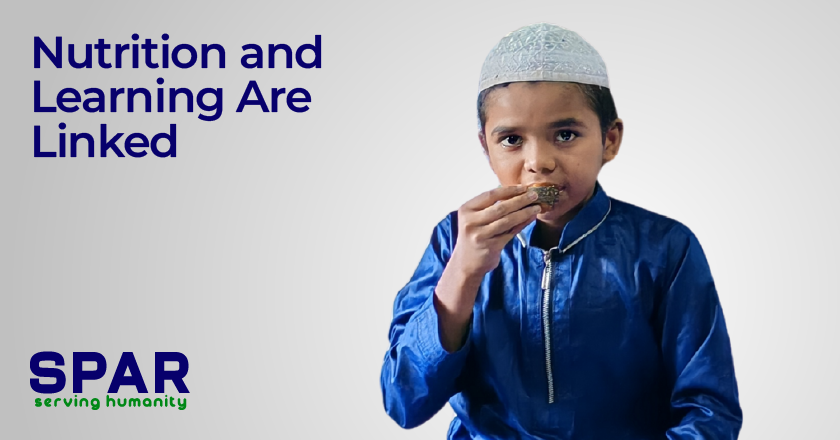
Nutrition and Learning Are Linked
A hungry child can’t concentrate. According to the World Food Programme, children who receive a daily school meal are significantly more likely to attend class and stay enrolled. Orphaned children, who often skip breakfast, feel this gap sharply. Some orphan education programs fold a basic nutrition component into their model. This small addition changes attendance patterns and test scores across a full academic year.
Who Faces the Steepest Barriers
Orphaned girls, younger children, and kids in displaced communities carry the heaviest burden when it comes to school access. According to UNESCO, girls in low-income households headed by a single adult are pulled from school first, typically between ages 10 and 13. Boys face pressure later, often pushed into labor by ages 12 to 14. Both patterns cut formal education short before it can make a real difference. In communities already stretched thin by conflict or poverty, these pressures compound fast. The families most in need rarely have the means to push back.
The Difference Between One Year and Long-Term Support
A single year of school funding helps. But it doesn’t change a child’s life the way consistent, multi-year support does. The World Bank has found that each additional year of completed schooling raises a person’s future earnings by about 8 to 10 percent. That return builds over time. One year gives a child a foothold. Three years give them a direction. Five years can give them a career. Orphaned children are far more likely to stay enrolled when they know support won’t disappear at the end of a school term. Consistency is what converts a donation into a future. The families we support across our long-term programs have shown us this, again and again, in ways that don’t show up in any report.
Common Mistakes Donors Make With Orphan Education Giving
Many donors give once and assume the job is done. But school costs recur every term, and a gap of even one semester can push a child out permanently. Another mistake is funding only tuition while ignoring indirect costs. A child who has paid fees but has no books or transport still misses class. Some donors focus only on older children, assuming younger kids can wait. But UNESCO research shows that early childhood education produces the highest long-term returns of any stage. Effective orphan education donation accounts for the full picture: all costs, all ages, and all terms.
What Every Donor Should Know Before Giving to Orphan Education
An orphan education donation works best when it covers the full cost of learning, not just school fees. UNICEF estimates there are over 140 million orphaned children worldwide. Many drop out before completing primary school due to indirect costs such as books, uniforms, and transport. The World Bank’s research confirms that each year of completed schooling raises future earnings by 8 to 10 percent. Long-term, consistent support is what keeps a child enrolled. SPAR’s programs reflect this understanding, built on years of committed field work across multiple regions.
Does Consistency Matter More Than Amount?
Yes. A smaller gift given every term beats a large one-time gift. Children who lose support mid-year often cannot return. Schools require fees at the start of each term. One missed payment can end enrollment. SPAR’s long-term approach addresses this by keeping support steady across school years, not just single moments of giving.
What Age Group Benefits Most From Orphan Education Support?
Every age benefits, but early investment pays off the most. UNESCO research shows early childhood education produces the highest long-term returns of any stage of learning. Children who enter school on time and stay enrolled through primary years are far more likely to complete secondary education. Missing the early years costs more to recover later, in both resources and lost opportunity.
Behind every child who stays in school is someone who chose not to stop caring. It’s rarely one dramatic act. It’s a term fee paid on time, a book replaced, a uniform provided before the year begins. SPAR exists for that quiet, sustained kind of work. The communities we serve across our long-term programs don’t need a single moment of generosity. They need what orphaned children everywhere need: people who stay.