Zakat is an obligatory annual payment every financially able Muslim makes, set at exactly 2.5% of savings held above the nisab threshold for one full lunar year. It differs from sadaqah, which is voluntary charity given at any time and in any amount. The nisab in 2026 equals about 85 grams of gold or 595 grams of silver, worth roughly $7,650 USD or $530 USD, respectively, per World Gold Council pricing. Every Muslim who holds wealth above either threshold for a full year must pay. The silver nisab is the standard most scholars recommend using, since it includes more people. Getting this calculation wrong is the single most common reason Muslims underpay their annual zakat.
Donations Zakat: Quick Answer
- What it is: Zakat is a mandatory annual 2.5% payment on eligible wealth held above the nisab for one lunar year.
- Who it applies to: Adult Muslims who hold net wealth above the nisab threshold for a full lunar year.
- How much: Exactly 2.5% of total eligible assets, calculated after subtracting immediate debts.
- When: Due once per lunar year, calculated from the date your wealth first exceeded the nisab.
- Nisab value (2026): About $530 USD using the silver standard (595g of silver), or $7,650 USD using the gold standard.
- Main rule: Use the silver nisab to include more eligible payers, as most classical scholars recommend.
- Most common mistake: Many Muslims subtract long-term liabilities before calculating, but only immediate short-term debts reduce the zakat base.
Why Donations and Zakat Matter More Than Ever Right Now
Zakat is the third pillar of Islam, and it functions as a structured wealth redistribution system for the entire ummah. According to the World Bank, over 700 million people still live on less than $2.15 USD per day. That’s the exact population zakat was designed to reach. Rohingya families in Cox’s Bazar, Palestinian communities in besieged areas, and Bangladeshi families recovering from seasonal flooding all fall within the eight categories of eligible zakat recipients defined in Surah At-Tawbah (9:60). The demand on zakat funds keeps growing while many donors still calculate incorrectly or delay payment past their lunar anniversary. You can see how SPAR puts zakat to work through our zakat program, which channels funds directly into communities that need consistent, long-term support.
Donations Zakat by the Numbers: What Most People Don’t Know
The global Muslim population now exceeds 1.9 billion, according to Pew Research data, yet scholars estimate that less than a third of eligible Muslims pay their full zakat each year. The gap between what’s owed and what’s collected runs into hundreds of billions of dollars annually. Zakat applies to eight specific categories of recipients, listed in Surah At-Tawbah (9:60): the poor, the destitute, those who collect and distribute zakat, those whose hearts need softening, those in bondage, the debt-burdened, those in the path of Allah, and stranded travellers. Many donors assume zakat only covers the poor, but the full list is much wider. Scholars like Imam al-Nawawi in *Al-Majmu* clarified that giving to all eight categories in one payment is valid and even preferred where possible. Knowing this changes how and where Muslims direct their annual obligation.
Common Mistakes Muslims Make With Donations of Zakat
Most Muslims want to pay zakat correctly. But small errors add up fast. One of the most common mistakes is paying zakat on the wrong base amount. Some donors calculate zakat on net savings after expenses. But zakat applies to total eligible wealth held above the nisab for a full lunar year. Others forget to include gold kept at home or money lent to friends. Pew Research notes that less than a third of eligible Muslims pay their full zakat each year. The gap isn’t always bad intent. It’s usually incomplete knowledge about what counts.
Mixing Zakat With Sadaqah
Many donors treat zakat and sadaqah as the same thing. They’re not. Zakat is a fixed obligation with specific rules about who can receive it. Sadaqah is voluntary and can go to anyone in need. Paying sadaqah when you owe zakat doesn’t cancel the debt. The two acts are separate in Islamic law. Imam al-Nawawi stressed this clearly in his legal writings. Both are valuable. But zakat must be paid first, in full, before extra charity counts.
Delaying Payment Past the Lunar Year
Some Muslims plan to pay zakat “soon” and lose track of time. The lunar year moves about 11 days earlier each solar year. This means your zakat date shifts annually. Missing it by months is still a missed obligation. Scholars say the debt remains and must be paid. Setting a fixed reminder tied to your Islamic calendar date is the simplest fix. Many families link their zakat date to Ramadan for ease, though this isn’t required.
Who Pays Donations Zakat and Who Receives It?
Zakat flows in two directions. It moves from those who hold surplus wealth to those who face real hardship. Any Muslim who is sane, adult, free, and holds wealth above the nisab for a full lunar year must pay. On the receiving side, the Quran names eight categories in Surah At-Tawbah (9:60). These include the poor, the destitute, and the debt-burdened. UNICEF estimates over 333 million children globally live in extreme poverty. Many of them fall directly within these Quranic categories. Donations of zakat, when directed well, reach exactly these groups.
Families in Displaced Communities
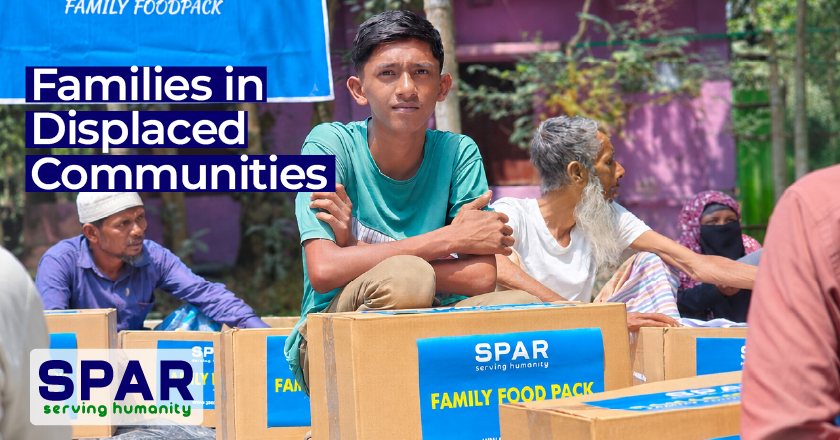
Displaced families face a double burden. They’ve lost income and stability at the same time. Rohingya communities in Cox’s Bazar, Gazarian families in besieged areas, and Sudarian villages cut off by conflict all meet the criteria for zakat recipients. These aren’t edge cases. They’re among the most documented populations of need in the world. Real change here is rarely sudden. It comes from small, sustained efforts, season after season.
How Donations Zakat Builds Long-Term Change
One-time relief feeds a family for a week. Structured zakat programs build something that lasts. When zakat funds flow into education, clean water, and food security together, the effect compounds. A child who stays in school, drinks clean water, and eats daily doesn’t need emergency aid five years later. The World Bank links chronic poverty to lack of access to these three basics. Zakat, applied consistently to the right categories, addresses all three. This is why scholars like Ibn Qayyim emphasized that the spirit of zakat is to lift people out of need, not just ease it briefly.
What Scholars Say About Where to Send Donations Zakat
Classical scholars debated whether to give zakat locally or to distant communities in greater need. Ibn Baz held that giving to the neediest recipients takes priority, even if they’re far away. Most contemporary scholars agree. Geography shouldn’t limit zakat when local needs are met and greater need exists elsewhere. This matters for Muslims living in wealthier countries who hold significant zakat obligations each year. Directing zakat through trusted programs that maintain clear records and field presence is the standard scholars recommend. Receipts are available on request through SPAR’s programs.
What This Means for Your Donations Zakat This Year
Zakat isn’t a yearly checkbox. It’s a sustained commitment to ending need, not just reducing it. The World Bank estimates that over 700 million people still live on less than $2.15 a day. Many of them qualify as zakat recipients under the classical *fuqara* and *masakin* categories. When Muslims calculate zakat correctly, verify nisab against current gold values, and direct funds to accountable programs, the impact moves from temporary relief to real change. SPAR’s ongoing work across multiple regions reflects this longer view.
How to Make Sure Your Zakat Actually Reaches the Right People
Nisab changes each year as gold prices shift. As of recent calculations, the 85-gram gold nisab sits near $7,000 to $8,000 USD. Any Muslim holding wealth above that threshold for a full lunar year owes 2.5% as zakat. Paying through a program that verifies recipient eligibility, keeps clear field records, and reports back to donors closes the gap between intention and outcome. That verification step is what separates genuine zakat from a general donation.
What Sets Zakat Apart From Sadaqah in Practice
Both are acts of worship. But zakat is obligatory and follows fixed rules. Sadaqah is voluntary and open to any good cause at any time. Confusing the two leads some Muslims to count voluntary charity toward their zakat obligation, which classical scholars like Imam al-Nawawi held as invalid. Zakat must be calculated separately, paid to eligible recipients, and tracked as its own duty. Keeping the two distinct protects the integrity of both acts.
Behind every lasting change is a long line of people who chose to stay involved. The families SPAR serves across Bangladeshi communities, Palestinian households, Rohingya families in displacement, and Sudarian villages don’t need a single dramatic gesture. They need consistent, accountable care that shows up each year. That’s what zakat, properly understood and faithfully paid, makes possible.