Donating a water well in Islam is an act of ongoing charity, known as *sadaqah jariyah*. Unlike a one-time gift, its reward continues even after the giver dies. The Prophet Muhammad (peace be upon him) named water as one of the greatest forms of this eternal charity. About 703 million people worldwide lack clean water access today, according to UNICEF. Every well built in a Muslim’s name keeps flowing, in this life and the next.
Why Donating a Water Well Matters Right Now
Water scarcity is one of the worst crises facing Muslim communities today. The World Health Organization reports that unsafe water causes about 1.4 million deaths every year. Children carry the heaviest burden. In many regions where SPAR works, families walk hours each day just to reach a water source. That water is often unsafe to drink. A single well changes that. It frees up hours lost to water collection. It cuts illness in households that had none before. You can see our clean water work to understand how long-term water programs reach families who need them most. Clean water isn’t a luxury. It’s where real, lasting change begins.
Key Facts About Water Wells in Islam
Islamic scholars widely agree that donating a water well is among the most virtuous acts a Muslim can give. The hadith recorded in Sahih al-Bukhari describes a man who asked the Prophet Muhammad (peace be upon him) what deed could benefit his late mother. The Prophet (peace be upon him) said: water. That single exchange has guided Muslim giving for over 1,400 years. Water wells serve entire communities, not just one family. They benefit Rohingya families in displacement, Palestinian families under hardship, and Bangladeshi villages facing seasonal drought alike. A community well can serve hundreds of people for decades. The cost of clean water access runs about $30 USD per person per year, according to Water.org data. One well, one community, one lasting reward.
Does Donating a Water Well Count as Sadaqah Jariyah?
Yes. Donating a water well is one of the clearest examples of sadaqah jariyah in Islamic tradition. Sadaqah jariyah means ongoing charity. Its reward continues after the giver’s death, for as long as the benefit flows. The Prophet Muhammad (peace be upon him) said that when a person dies, all deeds end except three: ongoing charity, knowledge others benefit from, and a righteous child who prays for them. This hadith, recorded in Sahih Muslim, has made water wells a central act of Muslim giving across centuries. Every cup drawn from that well adds to the giver’s scales.
Does the Reward Continue After Death?
Yes, and this is the point that moves many Muslims to act. The well keeps giving after you’re gone. Families draw water from it for decades. Children grow up drinking from it. If the well serves a whole community, the reward multiplies with each person it reaches. Ibn al-Qayyim wrote that the reward of sadaqah jariyah is unlike any other deed, because time does not stop it. Most good deeds end when the action ends. A water well is different. The flow of reward matches the flow of water.
Does It Have to Be a Full Well?
No. Many scholars hold that contributing part of the cost still earns sadaqah jariyah. You don’t have to fund the entire well alone. In communities where families pool resources to build one shared well, each contributor shares in the ongoing reward. UNICEF data shows that shared water points often serve more people per dollar than household-level solutions. Shared infrastructure is not a compromise. It’s often the smarter, wider-reaching choice. A partial share in a well that serves three hundred people may carry more weight than a smaller, single-household solution.
What Types of Water Wells Are Most Needed?
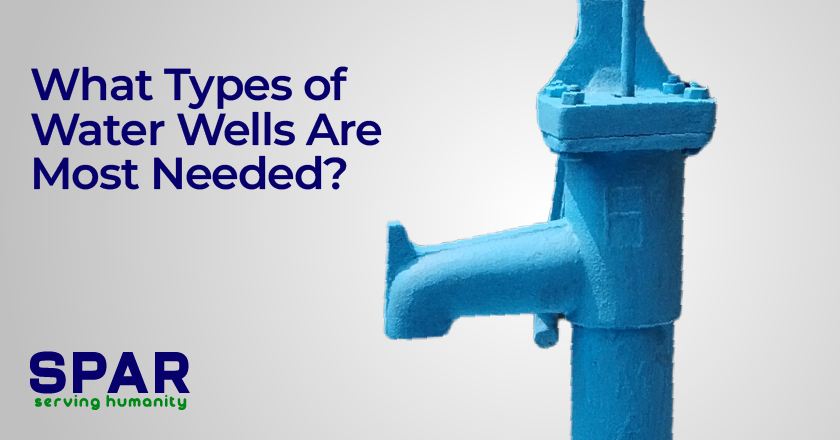
Not all wells are the same. The type of well a community needs depends on the depth of the water table, soil conditions, and how many people it must serve. Hand-dug wells work well in areas with shallow water tables. Borehole wells go deeper and often reach cleaner water. Tube wells are common across South Asia and reach reliable underground sources. According to WHO, borehole wells consistently deliver better water quality than surface-level sources, reducing waterborne illness sharply. In displaced communities, portable water systems sometimes serve where fixed wells can’t. Matching the well type to the context matters more than most donors realize.
Which Communities Need Wells Most Urgently?
The need is sharpest in rural and displaced communities. Rohingya families in Cox’s Bazar often share open water sources that carry serious contamination risks. Bangladeshi villages far from urban infrastructure go months without reliable clean water during dry seasons. Somali and Sudarian communities face similar gaps, worsened by conflict and climate stress. Palestinian families in besieged areas rely on damaged or limited water systems that can’t meet basic needs. These aren’t abstract statistics. Our field teams work directly with families in these regions, and the gap between what’s available and what’s needed is wide. Real change here comes from consistent, quiet effort, season after season.
Common Misconceptions About Donating a Water Well in Islam
Many Muslims assume a water well must be in their family’s name to count as sadaqah on behalf of a deceased relative. This is not a requirement. The Prophet (peace be upon him) gave no such condition in the hadith about Sa’d ibn ‘Ubadah’s mother, recorded in Sahih al-Bukhari. The deed benefits whoever it’s intended for. Some also assume wells only count if they’re large. Scholars like Imam an-Nawawi make clear that the size of the act doesn’t limit the reward. What matters is sincerity and a lasting benefit to others.
What Muslims Should Know Before They Donate a Water Well in Islam
Donating a water well in Islam is one of the most rewarding acts a Muslim can do. The Prophet (peace be upon him) named water as the best form of sadaqah jariyah in a hadith recorded in Sunan Abu Dawud. That reward flows for as long as people drink from the well. WHO estimates that 2 billion people still lack access to safe drinking water at home. The need is real and ongoing. Understanding the religious foundations, the practical steps, and the communities most in need helps a Muslim act with clarity and confidence.
Does the Well Have to Be Physical to Count?
No. Scholars agree the essential condition is lasting benefit to others. A well, a pipe system, a water pump, or a water filtration unit can all qualify. What matters is that the water keeps flowing after the act. Imam an-Nawawi’s commentary on sadaqah jariyah focuses on continuity of benefit, not on the form the gift takes. In regions where piped water is more practical than a hand-dug well, a pipe system carries the same reward.
How Do You Choose Where to Direct a Water Well Gift?
Choose based on verified need. UNICEF data shows that sub-Saharan Africa and South Asia carry the heaviest burden of unsafe water access. Bangladeshi, Somali, Sudarian, and Palestinian communities face some of the most acute shortfalls. A trusted organisation with active field teams in those regions is better placed to match your gift to real, unmet need. SPAR’s ongoing water programs work across several of these areas, matching each project to the communities that need it most.
The work of donating a water well in Islam isn’t finished when the money moves. It continues in every cup of clean water drawn from that source. Behind the theology is a practical commitment: someone chose to act, and families drink safely because of it. At SPAR, that commitment runs through our long-term water programs across the regions we serve. See how this work continues at sparproject.org/our-work.
