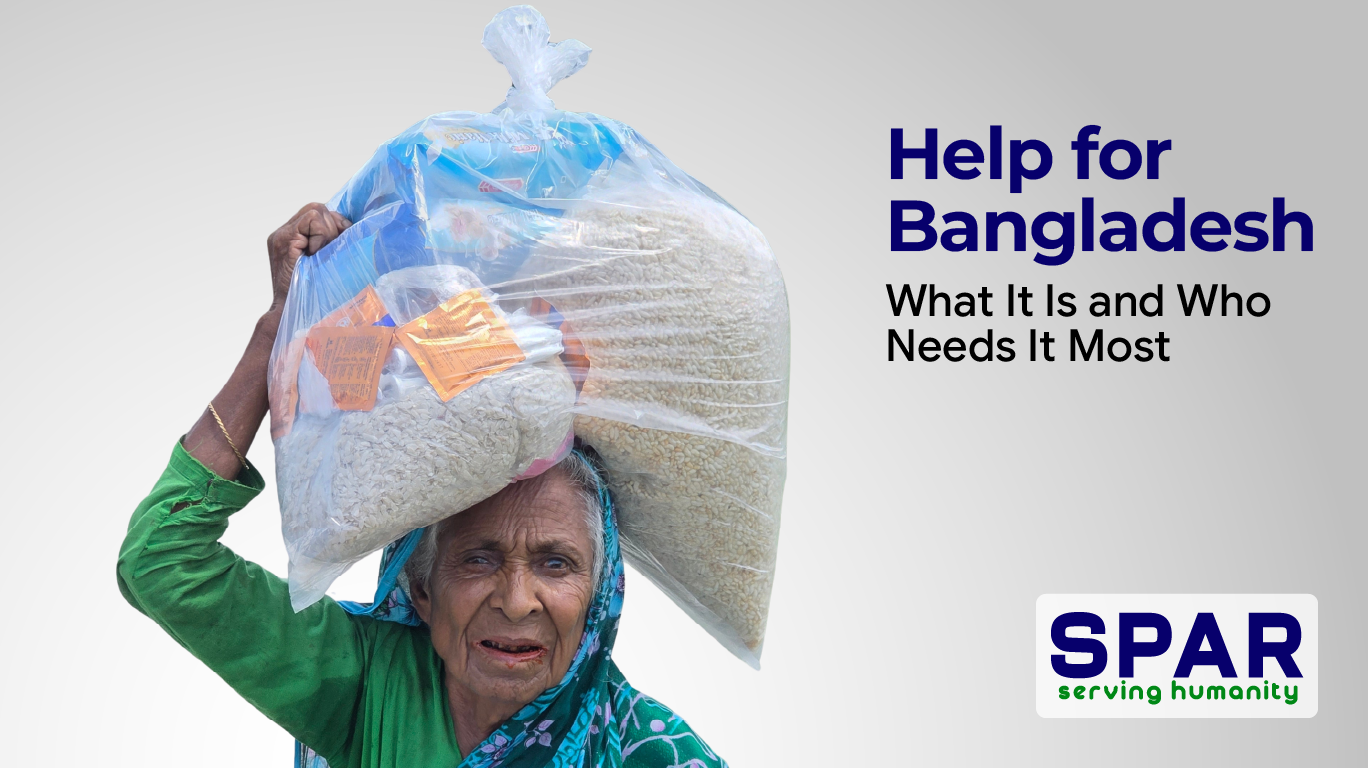
Giving to Bangladesh means supporting one of the world’s most climate-exposed, densely populated countries. It’s a place where floods, poverty, and displacement hit the same families year after year. About 18 million Bangladeshi people still live below the national poverty line, according to the World Bank. Donors from the global Muslim community channel aid here through trusted Islamic charities. The need is ongoing, not seasonal.
Why Bangladesh Donation Matters Right Now
Bangladesh sits at the front line of climate change. According to UNICEF, some 19 million Bangladeshi children face serious risk from floods, cyclones, and rising sea levels. Whole communities lose homes in a single storm season. For Muslim donors worldwide, giving to Bangladesh isn’t just charity. It’s fulfilling the Islamic duty of caring for those in need. At SPAR, our work in Bangladesh focuses on reaching families that other programs miss. You can learn more about our work in Bangladesh and the communities we support there. The gap between what’s needed and what’s funded stays wide, and consistent donor attention is what closes it.
Key Facts About Bangladesh Donation Most People Don’t Know
Bangladesh receives foreign aid, but much of it doesn’t reach the poorest households. According to the World Bank, the bottom 10% of Bangladeshi families earn under $2 USD a day. Rohingya refugees in Cox’s Bazar face some of the worst conditions on earth. The UN estimates over one million Rohingya now live in camps there, with limited food, clean water, and health care. Islamic giving has played a real role in this region for decades. Zakat, sadaqah, and general donations from Muslim communities abroad help fill gaps that government programs can’t cover. The scale of need here isn’t shrinking.
How Climate Shapes the Bangladesh Donation Gap
Bangladesh sits at the front edge of the global climate crisis. UNICEF estimates that 19 million Bangladeshi children face serious climate-related risks every year. Floods, cyclones, and rising rivers force families off their land repeatedly. Each disaster pushes households deeper into poverty before the last one has healed. The cycle is relentless. Bangladeshi families in low-lying chars and coastal belts have little buffer against repeated loss. Donated funds fill the gap between disaster and recovery when government relief runs thin. That gap is wide, and it stays wide.
Why the Poorest Families Get Hit Hardest
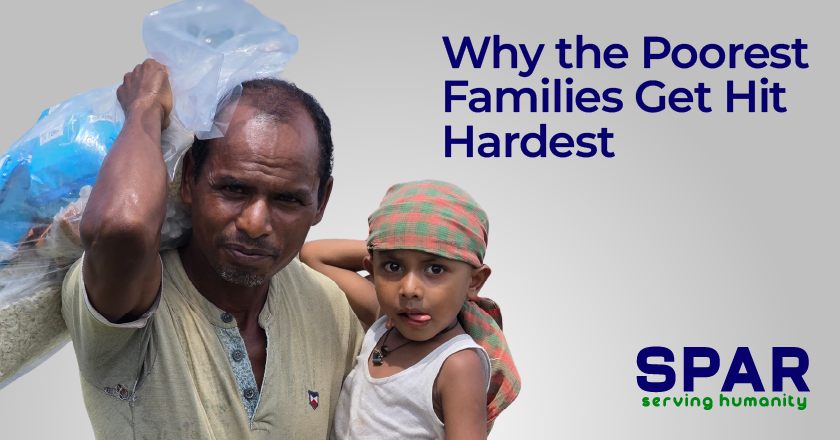
Bangladeshi families with the fewest resources live closest to flood zones. They can’t afford to move. They can’t afford to rebuild fast. When a cyclone strips a tin roof, replacing it costs more than most households earn in two months. According to the World Bank, about 40% of Bangladeshi households have no formal savings at all. So a single flood becomes a crisis that lasts years. Children drop out of school. Mothers skip meals. Fathers take dangerous work. Consistent outside support is often the only thing that breaks this pattern.
Where Rohingya Refugees Fit In
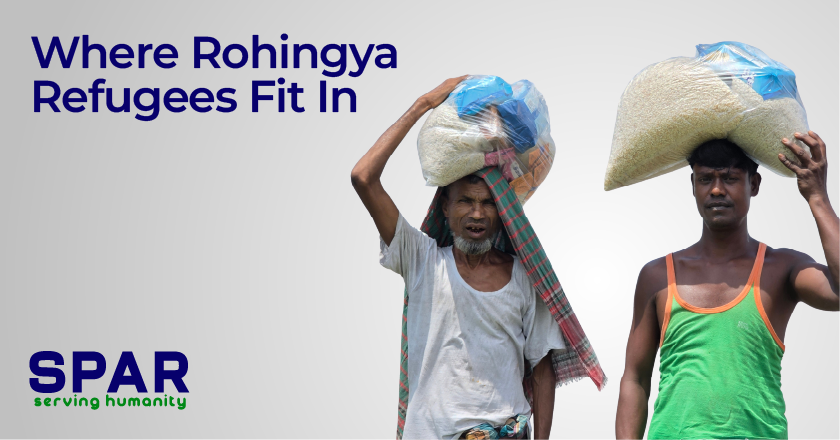
The Rohingya refugee population in Cox’s Bazar represents one of the most concentrated needs anywhere on earth. Over one million Rohingya now live in camps there, according to the UN Refugee Agency. Many have lived there for years with no path to resettlement. Access to clean water, food, and basic health care remains limited. Bangladeshi host communities nearby also feel the strain. Supporting this region means reaching both refugee families and the local Bangladeshi families stretched by sharing scarce resources. Both groups need sustained attention.
Common Misconceptions About Bangladesh Donation
Many donors assume large international aid programs cover Bangladesh’s most urgent needs. That’s not quite true. Most international funding targets visible crises and urban centers. Remote Bangladeshi villages, coastal communities, and refugee border areas often fall outside major program reach. Another common belief is that giving once is enough. In reality, families rebuilding after floods need support across multiple seasons, not just one. A Bangladesh donation made consistently, even at a modest level, creates more stability than a single large gift followed by silence. Real change here is rarely sudden. It comes from small, sustained efforts. Season after season.
Who Needs Bangladesh Donation Most Right Now
The groups most in need aren’t always visible in headlines. Rohingya children in Cox’s Bazar face acute malnutrition, limited schooling, and little long-term stability. Bangladeshi women heading households after a husband’s death or migration carry enormous weight alone. According to UNICEF, roughly 59% of Bangladeshi girls face child marriage, which rises sharply after disasters push families into desperation. Elderly Bangladeshis without family nearby often go without food or medicine for days. These groups share one thing: they sit at the edges of existing programs. Islamic giving has historically been the resource that reaches them.
What Makes a Bangladesh Donation Go Further
Not every donation has the same reach. Funds directed at preventive work, such as water access, nutrition, or school support, stretch further than emergency relief alone. Emergency aid stops a crisis. Preventive programs stop the next one. The teams working on this don’t make headlines. They show up, week after week. At SPAR, our long-term programs across the regions we serve focus on exactly this kind of quiet, consistent work. Donors who give regularly, even at $20 or $30 a month, make that kind of planning possible. One-time gifts help. But recurring support is what lets field teams commit to a community year-round.
What to Know Before You Make a Bangladesh Donation
Bangladesh carries one of the world’s heaviest humanitarian loads. UNICEF estimates roughly 59% of Bangladeshi girls face child marriage, and that number rises after each major flood. Millions of Bangladeshi families live on land that floods every year. Preventive programs — clean water, food security, school access — stop crises before they start. Emergency relief helps. But sustained, recurring support is what lets field teams plan ahead. A Bangladesh donation directed at long-term work reaches further than a one-time gift. SPAR’s ongoing programs across the regions we serve focus on exactly this kind of quiet, consistent presence.
Why Recurring Support Changes the Outcome
A one-time gift saves a moment. Recurring support saves a pattern. Field teams working in Bangladeshi communities can commit to a village for years when funding is stable. According to the World Bank, communities with consistent access to clean water and nutrition programs see long-term improvements in child health and school attendance. Even $20 or $30 a month makes that kind of planning possible. The families who benefit most are often the ones who need someone to show up again next month, not just once.
Which Groups Benefit Most From Sustained Giving
Bangladeshi women heading households alone, orphaned children, and elderly people without family nearby sit at the edges of most existing programs. UNICEF data shows that displacement and disaster consistently push these groups further from help. Structured, long-running support is the only thing that reliably reaches them. Programs that show up week after week, year after year, are the ones that change outcomes. That is the kind of work a Bangladesh donation, given consistently, makes possible.
Behind every change in a Bangladeshi family’s life is a long line of people who chose to stay involved after the headlines moved on. Clean water, school access, food for the cold months — none of it happens from a single push. It happens because someone decided the work was worth their continued attention. At SPAR, that steady presence is what we are built around. See how this work continues.