“Bangladesh charity” refers to organised giving that addresses poverty, disaster relief, and long-term community development across one of the world’s most disaster-prone nations. It spans everything from emergency flood response to orphan care and clean water access. The country’s 170 million people face some of the most severe climate and poverty pressures on earth. The work is focused on Bangladeshi families, displaced communities, and vulnerable children. 2025: Increasing frequency of flooding makes ongoing charitable support more urgent than ever.
Why Bangladesh Charity Matters Right Now
Bangladesh is among the most climate-vulnerable countries in the world. The country loses an estimated 1% of GDP every year due to climate-related damages, according to the World Bank. Cyclones, floods, and riverbank erosion plunge millions of Bangladeshi families into poverty every single year. Rohingya refugees in Cox’s Bazar also face extreme need with little food, clean water and medical care. Only a charitable program of emergency relief plus long term support really works. That’s why SPAR’s ongoing humanitarian programs focus on sustained community presence, not one-off aid drops. Short-term charity helps. But consistent, fielded work changes lives.
Key Facts About Bangladesh Charity Most Donors Don’t Know
Bangladesh isn’t just a recipient of aid. It has one of the strongest domestic giving cultures in South Asia, rooted in Islamic principles of Zakat and Sadaqah. But internal giving can’t cover everything. According to UNICEF, about 19% of Bangladeshi children still experience acute poverty. Cyclone and monsoon seasons regularly displace millions, creating sudden and massive humanitarian gaps. Many donors assume charity in Bangladesh is mainly disaster response. But the real need is structural: clean water access, education, and orphan care that runs year-round, not just after a headline disaster. Understanding this gap is the first step to giving where it counts.
What Types of Bangladesh Charity Work Actually Make a Difference?
Bangladesh charity covers a wide range of work. Emergency relief gets the most attention. But the programs that change lives long-term focus on three areas: clean water access, orphan care, and food support for families in extreme poverty. According to UNICEF, about 36 million Bangladeshis still lack access to safely managed drinking water. That single gap drives disease, school absence, and lost income all at once. Charities that address root causes, not just symptoms, deliver lasting change. SPAR’s work sits firmly in this category, focused on sustained presence over quick fixes.
Clean Water as a Foundation
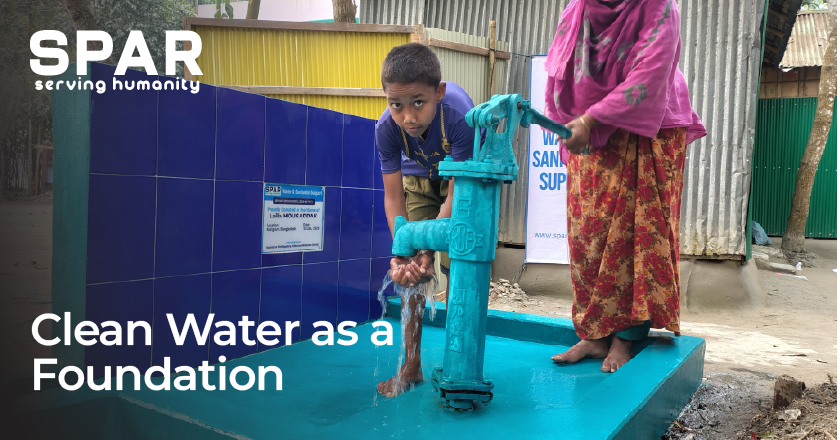
Access to clean water shapes everything else. When families drink safe water, children stay healthy enough to attend school. When women don’t walk hours for water, they have time for income work. WHO data shows waterborne diseases remain one of the top causes of child illness in low-income regions. A single functioning water point in a Bangladeshi village can serve dozens of families for years. The cost is small. The impact runs deep, season after season.
Orphan Care Beyond One-Time Gifts
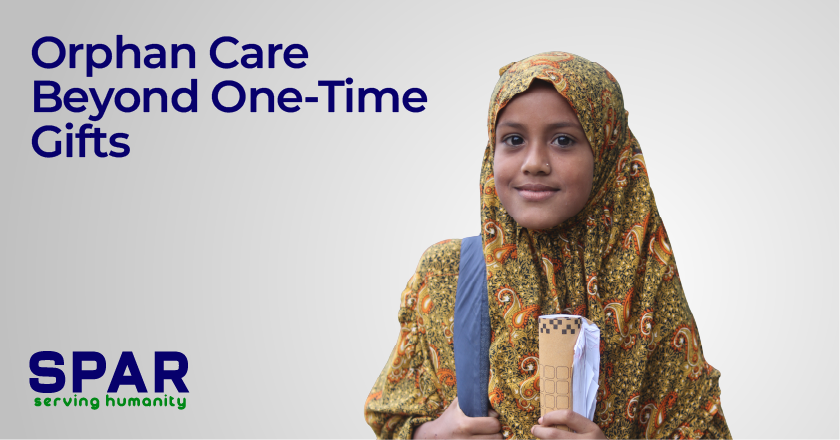
Orphan care is one of the most misunderstood areas of Bangladesh charity. Many donors give once during Ramadan and assume the need is covered. But an orphaned child needs consistent support across years, not a single payment. Food, education, and emotional stability all require ongoing commitment. The Prophet Muhammad (peace be upon him) said that the one who cares for an orphan will be close to him in Paradise, as reported in Sahih al-Bukhari. That teaching calls for a relationship, not a transaction. Sustained sponsorship is the model that actually works.
Common Misconceptions About Bangladesh Charity
The biggest misconception is that Bangladesh only needs help after disasters. Floods and cyclones do create urgent needs. But chronic poverty is the bigger, quieter crisis. The World Bank estimates that about 18% of Bangladeshis still live below the national poverty line. That means tens of millions of people face food insecurity, poor housing, and health risks every single day, no disaster required. A second misconception is that foreign aid is the main source of help. In fact, Bangladeshi giving culture is strong. Zakat and Sadaqah flow through communities constantly. But internal giving alone can’t fill every gap.
Who Is Most Affected by Poverty in Bangladesh?
Children and women in rural areas carry the heaviest burden. UNICEF data shows that poverty rates in rural Bangladesh run significantly higher than in urban centres. Children under five face the highest risk of malnutrition, especially in the northern regions prone to flooding. Rohingya families in Cox’s Bazar represent another deeply vulnerable group. Many have lived in displacement for years with limited access to education or formal income. Elderly people without family support also fall through the cracks. These are the communities that consistent, year-round Bangladesh charity programs are built to serve.
Why Small, Sustained Efforts Beat One-Time Giving
One-time donations save lives in a crisis. But they don’t rebuild them. A family that receives emergency food aid after a flood still faces the same crumbling well, the same missing school, the same income gap once the crisis fades from the news. Sustainable change comes from programs that stay. It comes from teams that return to the same communities each month, track what’s working, and adjust what isn’t. The families we support across the regions where SPAR works aren’t waiting for the next disaster appeal. They’re rebuilding, slowly, with the help of quiet and consistent support from people far from the problem.
What Consistent Bangladesh Charity Work Actually Changes
Sustained Bangladesh charity work shifts communities from crisis to stability. UNICEF estimates that over 19 million people in Bangladesh lack access to safe drinking water. That gap doesn’t close with a single appeal. It closes through programs that return to the same villages, fix what breaks, and build what’s missing. Long-term field presence, clean water access, food security, and orphan sponsorship all work together. The families served by SPAR’s ongoing programs don’t need attention once a year. They need it every month.
How Sustained Work Differs From Emergency Relief
Emergency relief stops the bleeding. Sustained work heals the wound. A family receiving flood aid still faces the same broken infrastructure when the water recedes. Consistent programs track progress across months, not news cycles. They address root causes: unsafe water, missed schooling, and unstable income. This approach builds the kind of resilience that holds when the next crisis arrives. The Bangladeshi communities SPAR serves have lived through many crises. What they need most is a presence that doesn’t leave.
Why Long-Term Donors Make the Biggest Difference
A one-time gift matters. But regular, sustained involvement changes outcomes. According to UNICEF, child malnutrition in Bangladesh’s northern regions remains high despite decades of emergency response. That tells us emergency response alone isn’t working. Consistent donors fund the programs that stay. They cover the school supplies in October, the water pump repair in March, and the family food pack in August. Their consistency is what makes long-term field work possible. That’s a different kind of impact.
Behind every measurable change is a long line of people who stayed involved long after the headlines moved on. The work doesn’t stop when a campaign ends or a season passes. Bangladeshi families facing hunger, displacement, and limited access to clean water need programs that outlast the news cycle. SPAR is one of those quiet, consistent lines of support. The work continues because of people who chose to stay engaged, month after month. See how this work continues.
