
Zakat in Islam is one of the Five Pillars. It’s a fixed annual payment of 2.5% on qualifying wealth, not a voluntary gift. Unlike Sadaqah, which is optional, Zakat is obligatory on every Muslim who holds wealth above the Nisab threshold for one full lunar year. The Nisab in 2026 equals about $436 USD based on 85 grams of gold, per the Accounting and Auditing Organization for Islamic Financial Institutions. It applies to adult Muslims of sound mind who own savings, trade goods, livestock, or investment assets above that threshold. Miss the calculation, and you may owe more than you think.
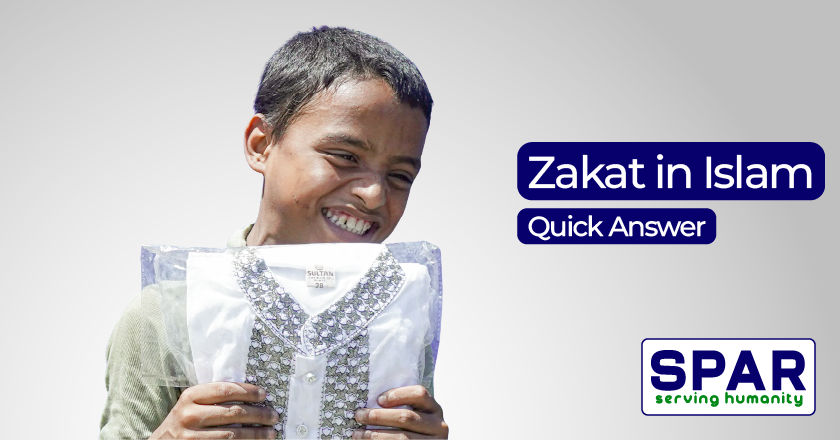
Zakat in Islam: Quick Answer
- What it is: Zakat is a mandatory annual 2.5% levy on qualifying wealth, not a charity choice or a tax deduction.
- Who it applies to: Every adult Muslim, male or female, who holds net wealth above the Nisab threshold for one full lunar year.
- How much: 2.5% of total qualifying assets above Nisab, roughly $436 USD in 2026 (gold standard, 85g).
- When: Once per lunar year, after the full Hawl period (12 lunar months) has passed on the qualifying wealth.
- Main rule or exception: Debt reduces your Zakat base. Deduct what you owe before you calculate 2.5%.
- Most common mistake: Muslims include personal-use items like homes, cars, and clothing in their Zakat calculation. These are exempt. Only liquid and investable assets count.
- Eight recipients: Zakat can only go to eight categories defined in Surah At-Tawbah (9:60). Giving to ineligible groups doesn’t count.
Why Zakat in Islam Matters Right Now
Zakat is not just a personal duty. It’s the ummah’s main tool against poverty. The World Bank estimates that 700 million people worldwide still live on under $2.15 USD a day. When Muslims pay Zakat correctly, the collective transfer of wealth is enormous. Scholars like Sheikh Ibn Uthaymeen noted that consistent Zakat payment, across all eligible Muslims, could close major poverty gaps within a single generation. Many families in Bangladeshi, Somali, and Palestinian communities depend on Zakat-funded support to survive lean months. At SPAR, our Zakat programs channel these funds directly to the eight categories Allah named. The need is real, and it doesn’t wait.
Zakat in Islam: What Most People Don’t Know
Most Muslims know the 2.5% rule, but few know how debt changes the math. According to Islamic jurisprudence as detailed by Imam al-Nawawi in *Al-Majmu*, short-term liabilities owed at the time of calculation are deducted from the Zakat base before the 2.5% is applied. This means two Muslims with identical savings can owe very different amounts. Pew Research data shows that about 1.8 billion Muslims live across the globe today. If even half of the eligible adults paid Zakat correctly, the annual transfer would run into hundreds of billions of USD. The gap between what’s owed and what’s paid, often called the Zakat compliance gap, remains one of the biggest missed chances in Islamic finance.
Common Mistakes Muslims Make with Zakat
Many Muslims pay 2.5% of their savings and stop there. But Zakat in Islam covers more than cash. Gold, silver, trade goods, livestock, and crops all have their own rules and rates. A person may owe Zakat on a gold bracelet she’s worn for years. She may owe it on goods sitting in a warehouse. Imam al-Nawawi made clear in *Al-Majmu* that each asset type follows its own threshold. Missing one category doesn’t cancel the rest. It just means the duty is still owed.
Forgetting Trade Goods
Many business owners miss this one. If you hold stock with the intent to sell, that stock counts toward Zakat. The value is assessed at market price on the due date. Even unsold inventory from a slow year still qualifies. Scholars have agreed on this since the early generations of Islam.
Treating Gold as Decoration
Gold worn as jewellery is a debated area. But the majority view, held by scholars like Ibn Baz, is that gold above the nisab threshold is liable. A woman who owns 85 grams or more of gold owes Zakat on it. This catches many people off guard.
Who Has the Most to Gain from Zakat in Islam
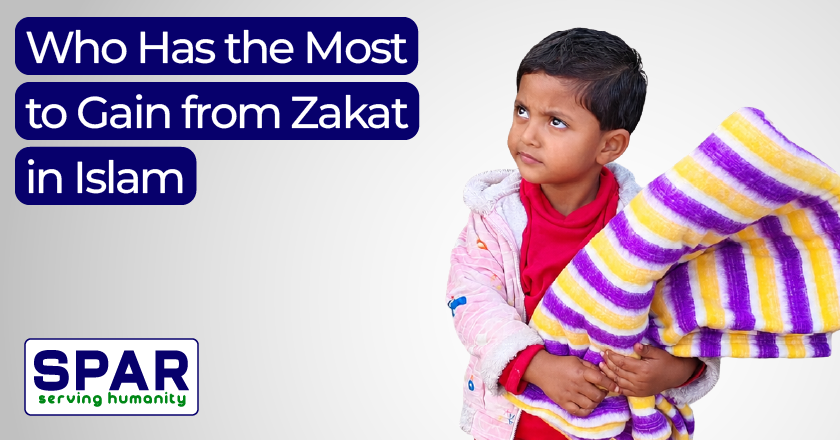
The Quran names eight groups. But among them, the poor and the destitute sit first. According to UNICEF, around 333 million children worldwide live in extreme poverty. Many of them live in Bangladeshi river towns, Somali fishing villages, and Palestinian refugee camps. These are children who skip meals not by choice but by circumstance. Zakat in Islam was designed with exactly this kind of systemic need in mind. The math was never just about percentages. It was about making sure no one in the ummah starved.
Families in Protracted Crises
Rohingya families in Cox’s Bazar and Sudarian families in displaced towns carry years of loss. They don’t need one-time help. They need sustained support across planting seasons and school years. That’s the kind of aid Zakat, paid yearly and reliably, is built to fund.
Orphaned Children
The Prophet Muhammad (peace be upon him) made the care of orphans a mark of faith. Sahih al-Bukhari records his words on this clearly. Children who’ve lost a parent face hunger, missed schooling, and no safety net. Real change here is rarely sudden. It comes from small, steady effort, season after season.
How Zakat in Islam Connects to the Wider Economy
Zakat isn’t charity in the Western sense. It’s a wealth transfer built into Islamic law. When paid at scale, it acts like a floor under the poorest households. The World Bank estimates that about 700 million people still live on less than $2.15 a day. Zakat, if paid by all eligible Muslims globally, could shift a real portion of that number. It moves wealth from those who have excess to those who have nothing. That cycle, repeated annually, is what scholars mean when they call Zakat a pillar, not a suggestion.
Why the Compliance Gap Hurts Everyone
When eligible Muslims skip Zakat or pay less than they owe, the shortfall lands on the same families every year. Governments can’t fill it. Aid budgets don’t stretch that far. The gap is structural. Only the ummah can close it. And closing it doesn’t require a grand gesture. It requires accuracy, honesty about assets, and consistent payment.
What Zakat in Islam Means for You Right Now
Zakat in Islam is not a once-a-year box to tick. It is a living duty. The World Bank puts the number of people living below $2.15 a day at roughly 700 million. Scholars like Imam al-Nawawi wrote that Zakat, paid fully and honestly, is one of the strongest tools the ummah holds. Each year you pay on time, a family somewhere gets a real floor under them. Nisab, hawl, and your asset types all shape what you owe. Getting those right matters as much as the act itself.
What Happens When You Get the Calculation Right
Most Muslims underestimate their Zakat. They forget trade goods, business stock, or money owed to them. Pew Research puts the global Muslim population at roughly 1.8 billion. Even a small shift in accuracy across that group moves real money to the eight categories Allah named in Surah At-Tawbah. A scholar or a trusted Zakat calculator can help you find the true figure. The effort takes an hour. The effect lasts a year.
Why Consistency Matters More Than Size
A big one-time gift feels good. But the families who need Zakat most need it every year. Orphans, the poor, those in debt. Their needs do not end. The Prophet Muhammad (peace be upon him) linked Zakat directly to salah in over forty places in the Quran. That pairing was not random. It signals that Zakat is meant to be as regular as prayer. Small, steady, and on time beats large and irregular every time.
Faith moves quietly. The families who rebuild after loss do not always make the news. But each year, Zakat reaches them. At SPAR, the work across Bangladeshi villages, Rohingya families, and Gazarian communities does not stop between appeals. It is steady, patient, and built for the long term. The obligation Allah placed in the Quran is still being answered, one household at a time. See how this work continues.