
Zakat is one of Islam’s Five Pillars. It’s a fixed annual payment that every eligible Muslim must give from their saved wealth. The word “zakat” comes from the Arabic root meaning both purification and growth, which is what it does: it purifies your wealth and grows barakah in it. Don’t confuse it with sadaqah, which is voluntary charity. Zakat is an obligation. The standard rate is 2.5% of all qualifying wealth held above the nisab threshold for one full lunar year. According to the World Bank, over 1.8 billion Muslims are subject to this duty globally. Zakat applies to any Muslim who is sane, adult, free, and holds wealth above the nisab, currently about $450 USD in gold-based calculation. The key rule: wealth must complete a full lunar year above nisab before zakat becomes due. In 2026, with rising costs of living hitting low-income families hardest, timely zakat distribution matters more than it ever has.
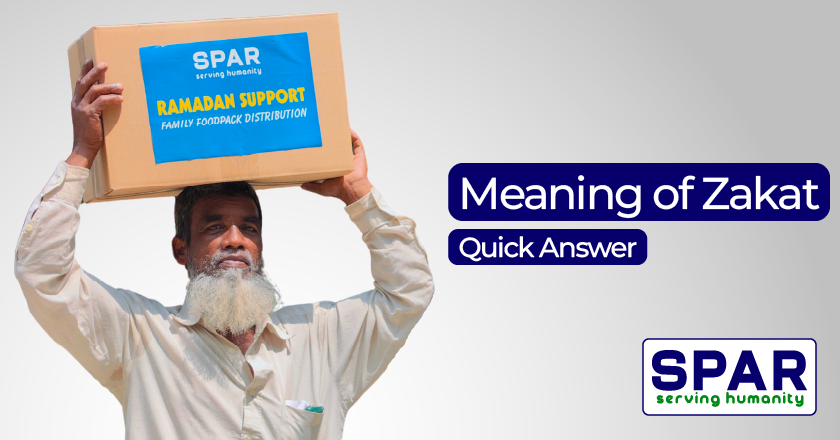
Meaning of Zakat: Quick Answer
- What it is: A mandatory annual payment of 2.5% of qualifying saved wealth, one of Islam’s Five Pillars
- Who it applies to: Adult, sane Muslims whose net wealth exceeds the nisab threshold for one full lunar year
- How much: 2.5% of total eligible wealth, calculated on gold, silver, cash, investments, and trade goods
- When: Once per lunar year, after wealth has sat above nisab for 12 consecutive lunar months
- Main rule: Wealth must stay above nisab for the full hawl (lunar year cycle) before zakat becomes due
- Most common mistake: Muslims calculate zakat on gross income rather than net saved wealth held for a full year, which often produces the wrong amount
Why the Meaning of Zakat Matters Right Now
Zakat isn’t just a ritual payment. It’s the ummah’s built-in system for closing the wealth gap between Muslims. According to Pew Research, about 24% of the global population is Muslim, yet Muslim-majority countries hold some of the highest poverty rates on earth. That gap exists partly because zakat isn’t always calculated or distributed correctly. When Muslims understand what zakat truly means, they give it with more precision and more impact. Families in Bangladeshi villages, Gazarian communities, and Rohingya camps rebuild their lives through programs rooted in zakat funding. At SPAR, our zakat distribution work is built on this exact principle: get the theology right, and the impact follows. Understanding the meaning of zakat is the first step toward giving that actually reaches those who need it.
Key Facts About the Meaning of Zakat Most People Don’t Know
The word “zakat” appears in the Quran 32 times, and in 28 of those instances, it sits right next to salah (prayer). That pairing isn’t coincidence. It tells you how seriously Islam treats this duty. The Quran commands in Surah Al-Baqarah (2:43), in the Sahih International translation: “And establish prayer and give zakat and bow with those who bow.” Classical scholars like Imam al-Nawawi confirmed that zakat is a right owed to the poor, not a gift from the wealthy. The nisab itself has two reference points: 87.48 grams of gold (about $5,000 USD at current prices) or 612.36 grams of silver (about $450 USD). Most contemporary scholars use the silver nisab because it brings more people into the obligation and sends more aid to those who need it.
Who Must Pay Zakat? The Eight Groups Who Can Receive It
Islam names eight groups that can receive zakat. The Quran lists them in Surah At-Tawbah (9:60): the poor, the needy, zakat workers, those whose hearts need softening, people in debt, those in bondage, travelers in need, and those working in the cause of Allah. Most scholars agree the first two groups, the poor and the needy, take priority. The poor have almost nothing. The needy have some income but not enough to meet basic needs. This distinction matters. A family that earns a little but still goes without food qualifies, even if they’re not destitute.
The Difference Between the Poor and the Needy
The Arabic word for the poor is *al-fuqara*. For the needy, it’s *al-masakin*. Scholars like Imam al-Nawawi wrote that the needy may actually be worse off in some cases, because they don’t ask for help. They suffer in silence. Both groups have a right to zakat. A family rebuilding after floods, a widow with children to feed, a student with no income: all may qualify. Knowing who can receive zakat helps givers direct funds where they do the most good.
Can Zakat Cross Borders?
Most classical scholars agreed that zakat should go to the local poor first. But many contemporary scholars, including those who follow the Hanbali school, allow zakat to cross borders when the need is greater elsewhere. Families in Rohingya camps, Gazarian children without clean water, Bangladeshi families hit by floods: all qualify when local needs are already met. The principle is the same. Get the funds to those who truly need them, wherever they are. Real change in these places depends on quiet, consistent support from people far from the problem.
Common Mistakes Muslims Make About the Meaning of Zakat
Many Muslims misunderstand what zakat covers and how to calculate it. One of the most common errors is confusing zakat with sadaqah, which is voluntary charity. Zakat is an obligation. It follows specific rules on amount, timing, and who may receive it. Another mistake is counting debts incorrectly. If you owe money, you may subtract that debt from your total wealth before calculating the 2.5% due. According to the Fiqh Academy in Jeddah, this principle applies to short-term debts that are currently due, not long-term ones.
Forgetting Non-Cash Assets
Cash in the bank is the most obvious asset. But gold, silver, trade goods, and rental income may also be zakatable. Many Muslims forget to count gold jewelry. The majority of Hanafi scholars hold that gold jewelry owned by women is subject to zakat if it meets the nisab. Other schools differ. The key point is this: speak to a qualified scholar about your specific assets. Zakat law is detailed, and a small oversight can mean you’ve underpaid for years.
Missing the Lunar Year Requirement
Zakat only becomes due after a full lunar year passes on your wealth. This is called the *hawl*. If your savings drop below the nisab during that year, the clock resets. Some people pay zakat the moment their savings hit the nisab. That’s technically early. It’s still valid and permitted, but the formal obligation begins after one full lunar year. Many Muslims now pick a fixed date each year, often in Ramadan, to make the calculation easy and consistent.
How the Meaning of Zakat Shapes Real Communities
Zakat is not just a transfer of money. It’s a system designed to break cycles of hardship. According to the World Bank, about 700 million people still live on less than $2.15 a day. Zakat, if collected and distributed properly, has the scale to reach many of them. Classical scholars like Ibn Qayyim al-Jawziyyah wrote that zakat was meant to give the poor enough to become self-sufficient, not just survive another day. That goal still holds. The teams working on this don’t make headlines. They show up, season after season.
What the Meaning of Zakat Means for You Today
Zakat is not a suggestion. It is one of Islam’s five pillars, and it carries a clear purpose: move wealth from those who have it to those who need it. The Quran names eight groups who qualify to receive zakat (Surah At-Tawbah, 9:60). The World Bank puts the number of people living on less than $2.15 a day at around 700 million. Zakat, when collected and used well, has the reach to address that gap. Know your nisab. Set a fixed date each year. Then act on what you know.
Does Zakat Have to Be Paid in Ramadan?
No. Ramadan is a popular time to pay, but it is not required. Zakat becomes due after one full lunar year passes on wealth above the nisab. You can pay on any day that marks your personal hawl. Many Muslims choose Ramadan for the extra reward, but the obligation is tied to your calendar, not the Islamic calendar as a whole. Pick a fixed date and keep it. Consistency matters more than timing.
Can Zakat Be Used for Long-Term Programs?
Yes, within limits. Classical scholars agreed that zakat can fund programs that help the poor become self-reliant. Ibn Qayyim al-Jawziyyah wrote that the aim of zakat is not just to feed people for a day. It is to lift them out of need. Clean water projects, skills training, and orphan care all fit within valid zakat categories when they serve those who qualify. The key is that funds must reach the right people, not just fund overhead.
Behind every lasting change is a long line of people who stayed involved after the headlines moved on. Zakat, at its core, is that kind of commitment. It is not a one-off act. It is a yearly practice that keeps wealth in motion and keeps the poor from being forgotten. At SPAR, that commitment shapes every program we run. The families we serve depend on it, season after season. See how this work continues.