
Zakat rules require every Muslim who holds wealth above a set threshold to give 2.5% of that wealth each lunar year. This is not voluntary charity like Sadaqah. It’s one of the five pillars of Islam, and missing it without cause is a serious sin. The Nisab in 2026 sits at approximately $5,000 USD using the gold standard (85 grams of gold), or around $450 USD using silver (595 grams). Zakat applies to adult Muslims of sound mind. The rule most people miss: Zakat is due on wealth held for a full lunar year, not just on wealth earned in a year.
Zakat rules: Quick Answer
- What it is: Zakat rules are the Islamic obligation to pay 2.5% of qualifying wealth above the Nisab threshold each lunar year.
- Who it applies to: Adult Muslims of sound mind who have held Nisab-level wealth for one full lunar year (Hawl).
- How much: 2.5% of total Zakatable assets. On $20,000 USD in savings, that’s $500 USD.
- When: Due once per lunar year after Hawl is complete. Many pay in Ramadan, but it’s not required.
- Main rule: Wealth must cross the Nisab AND stay above it for the full lunar year before Zakat is owed.
- Most common mistake: Calculating Zakat on annual income only. Zakat rules apply to saved wealth, not income earned and spent.
- Key exception: Debts you owe can be deducted from Zakatable assets before you calculate the 2.5%.
Why Zakat Rules Matter in 2026
Zakat rules sit at the core of Islamic finance because they don’t just redistribute wealth. They correct it. The World Bank estimates that roughly 700 million people still live on under $2.15 USD a day. Zakat, applied correctly, is one of the few religious mechanisms with the scale to move that number. Many scholars, including Imam al-Nawawi, described Zakat as the “right of the poor in the wealth of the rich,” not a favor. You can see how SPAR puts Zakat into action through our Zakat programs at sparproject.org/zakat.
What’s shifted recently is the Nisab figure itself. Gold prices have climbed through 2025 and 2026. This pushes the gold Nisab up and means some donors who owed Zakat last year may fall just below it this year. The silver Nisab, by contrast, is far lower and far more stable. Scholars like Ibn Uthaymeen argued for using the silver standard to widen the circle of givers and recipients. That debate is live again in 2026.
Zakat Rules: What Most Donors Don’t Know
Most guides tell you the 2.5% rate and stop. But the rate isn’t where people go wrong. The common error is in what counts as a Zakatable asset. Business stock, gold jewelry above personal use, cash in savings, shares, and money owed to you all count. A car for personal use does not. A rental property does not attract Zakat on its value, but the rental income does once it passes Nisab and completes Hawl. According to Pew Research, there are roughly 1.8 billion Muslims worldwide. If even a fraction of these Muslims calculate Zakat incorrectly, the shortfall in funds reaching those in need runs into hundreds of millions of dollars annually. Getting the asset list right is not a minor detail. It’s the whole rule.
Who Is Exempt From Zakat Rules?
Not every Muslim owes Zakat. The rules set clear conditions. A person must be free, adult, sane, and Muslim. Beyond that, they must own wealth above the Nisab threshold and hold it for a full Hawl. Children don’t owe Zakat on assets held in their name, though many scholars recommend a guardian pay it on their behalf. Those in debt also face a different calculation. If your debts exceed your assets, your net wealth may fall below Nisab. In such a situation, Zakat is not required. The rule protects the poor from paying what they can’t afford.
Does Debt Reduce Your Zakat?
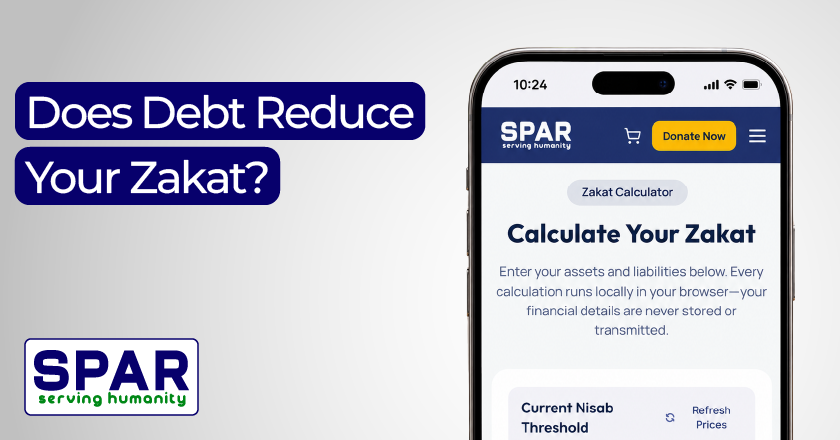
Debt matters, but only if it’s due now. Short-term debts you must pay this year can be deducted from your Zakatable assets. Long-term debts, like a mortgage, are treated differently by scholars. Imam al-Nawawi and others held that only the current year’s portion of a long-term debt may be deducted. So if your mortgage has twenty years left, you subtract this year’s payments only, not the full balance. This keeps the Zakat system fair for both debtors and those who rely on it.
What About Non-Muslims and New Converts?
Zakat rules apply only to Muslims. Non-Muslims don’t owe it, and no charity should imply otherwise. For a person who converts, Zakat becomes due from the day of their conversion. They owe nothing for years before. The Hawl starts fresh. Scholars agree on this point across all major schools of thought.
Common Mistakes in Zakat Rules Calculations
Most Zakat errors happen in two places: the asset list and the date. People forget to include money lent to others. They leave out business stock sitting in a warehouse. Some calculate on gross income rather than net savings, which Pew Research notes is a common confusion among Muslim donors in the West. Others reset their Zakat date each year on Ramadan, even if that’s not their actual Hawl anniversary. The Ramadan tradition is strong and not wrong, but it must be paired with an honest asset count on that date, not a rough estimate.
Forgetting Business Assets
If you run a business, Zakat rules apply to it. Raw materials, finished goods, and trade stock all count. Equipment used for production does not. Receivables count if payment is likely. A retailer with $5,000 of stock and $2,000 in cash owes Zakat on $7,000, minus short-term debts. Many small business owners miss this obligation entirely. The result is an underpayment that can compound over years.
Using the Wrong Nisab Standard
The choice between gold and silver Nisab changes what you owe. In 2026, the gold Nisab sits at around $5,000 to $5,500 depending on current prices. The silver Nisab is under $600. A person with $3,000 in savings owes nothing under gold and pays $75 under silver. This isn’t a loophole. It’s a genuine scholarly debate. If you’re unsure which standard to use, consult a qualified scholar or use the silver standard to be safe. The goal is to give, not to find reasons not to.
How Zakat Rules Connect to Global Poverty Today
Zakat rules aren’t just personal finance rules. They’re a poverty relief system built into Islamic law. The World Bank estimates that about 700 million people live on under $2.15 a day. Scholars and economists have long argued that full, accurate Zakat collection could cover a large share of that need. The ummah has the wealth. The gap is in calculation, collection, and distribution. Families across the regions SPAR serves know this gap firsthand. Consistent, well-directed Zakat doesn’t just help for a season. It rebuilds what poverty has taken apart, year by year.
Zakat Rules: What This Means for You Now
Zakat rules exist to move wealth. They don’t exist to keep it locked in debate. The World Bank estimates that 700 million people live on less than $2.15 a day. The ummah holds wealth that could change that number. The gap is not in the rules. The gap is in how many Muslims apply them well. Knowing your Nisab, tracking your Hawl, and picking the right assets to include, these steps turn an obligation into real relief. Zakat rules, applied with care, are one of the most direct tools Islam gives us for good.
How Often Should You Review Your Zakat Rules Calculation?
Review your Zakat rules every year. Your assets change. So does the Nisab, since it tracks gold and silver prices. A one-time calculation done years ago is almost always wrong now. Set a date, the same time each year, and go through your assets fresh. Many scholars advise picking the Islamic month of Ramadan for this task, since it carries extra reward. But any fixed date works. The goal is habit, not perfection.
What to Do If You’ve Underpaid in the Past
Underpayment happens. Scholars are clear: you owe the missed amount. You calculate what you should have paid each year and give it now. There is no penalty in a financial sense. But there is a duty to make it right. Some scholars, including Ibn Baz, wrote that sincere repentance and prompt repayment cover the gap. Start with what you can confirm. Work backward through your records. Give what you owe.
Zakat rules have guided Muslim giving for over 1,400 years. They are specific, tested, and fair. And when the ummah takes them seriously, the effect reaches families who have no other safety net. SPAR’s ongoing work, across communities where need runs deep, depends on exactly this kind of consistent, well-directed giving. Not one-off impulse. Long-term care. See how this work continues.