
Zakat payable is the exact amount a Muslim owes in annual obligatory charity, calculated at 2.5% of all qualifying wealth held above the nisab threshold for one full lunar year. It differs from general sadaqah because it’s a fixed religious duty, not a choice. The nisab sits at roughly $5,000 USD in gold terms in 2026. Every adult Muslim who meets this threshold must pay. That obligation is the foundation of Islamic wealth redistribution.
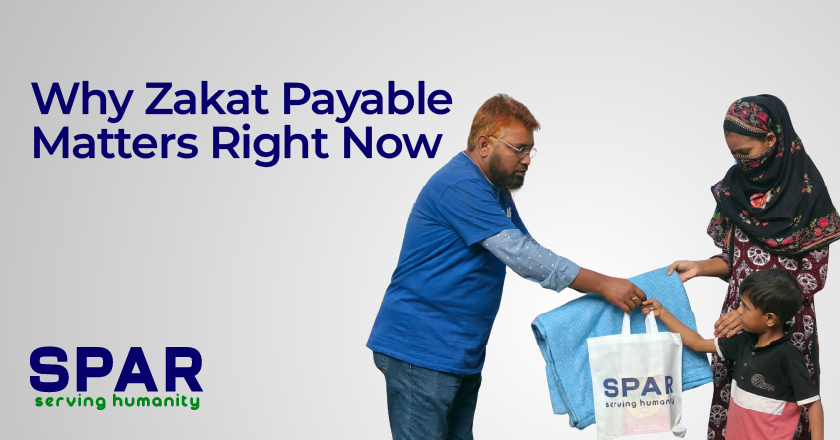
Why Zakat Payable Matters Right Now
Zakat is one of the five pillars of Islam. It’s not optional, and it’s not symbolic. According to World Bank data, around 700 million people still live on less than $2.15 USD a day. Zakat, when paid correctly and on time, moves real wealth from those who hold it to those who need it most. Many Muslims underpay simply because they’ve never clearly worked out what’s actually payable. Getting the calculation right isn’t just a financial exercise. It’s an act of worship with direct consequences for real families. You can see how organisations like SPAR put that wealth to work through our Zakat programs at sparproject.org/zakat. The first step, though, is knowing your number.
Key Facts About Zakat Payable Most Muslims Miss
Zakat payable isn’t just about cash in the bank. It covers gold, silver, trade goods, investments, and savings held for a full lunar year (the hawl). The Quran commands it directly in Surah At-Tawbah (9:103): “Take from their wealth a charity by which you purify them.” Pew Research puts the global Muslim population at about 1.8 billion. If even a fraction of eligible Muslims calculated and paid their Zakat correctly, the redistributive effect would be enormous. Ibn Qudamah and classical scholars agreed: Zakat payable is calculated on net zakatable assets, not gross income. That distinction trips up many modern Muslims who conflate Zakat with income tax.
What Assets Count as Zakat Payable?
Zakat payable covers more than cash. Gold and silver always count, at any amount above the nisab. Trade goods count at their market value on your calculation date. Shares, investment funds, and business profits count too, according to contemporary scholars like Sheikh Ibn Uthaymeen. Rental income held as savings by your hawl date counts. Debts owed TO you count if you expect repayment. But your home, your car, and your household items do not count. The rule is simple: productive or liquid wealth enters the calculation; personal-use assets do not.
Does Gold Jewellery Count?
Scholars differ here, and the disagreement is genuine. The Hanafi school holds that all gold and silver jewellery counts as zakatable, even pieces worn daily. The Shafi’i, Maliki, and Hanbali schools permit an exemption for jewellery in regular personal use. So your madhab matters. If you follow the Hanafi position, weigh your gold, check the current gold price, and include its full market value in your Zakat payable calculation. When in doubt, include it. Paying slightly more is safer than underpaying.
What About Debts You Owe?
Debts reduce your Zakat payable. Subtract short-term liabilities from your total zakatable assets before applying the 2.5% rate. A mortgage on your home is not deducted in full. Only the instalment due within the next lunar year counts as a deductible debt, according to most contemporary scholars. Credit card balances due this month are deductible. Long-term loans are not fully deductible at once. Get this right and your final number reflects true net wealth, not a swollen gross figure.
Common Mistakes When Calculating Zakat Payable
Most errors in Zakat payable come from three habits: double-counting, under-counting, and wrong nisab figures. Some Muslims calculate on gross salary before expenses, treating Zakat like income tax. That’s wrong. Others forget trade stock entirely. A business owner selling goods must include unsold inventory at its resale value. The nisab changes monthly because it’s tied to gold and silver prices. Using last year’s nisab figure on this year’s assets gives you the wrong answer. According to the World Gold Council, gold prices can shift more than 15% in a single year, so always check a current verified nisab value before finalising your figure.
Who Is Most Affected When Zakat Payable Goes Uncollected?
When eligible Muslims underpay or skip Zakat, the people who suffer most are those the Quran names directly. Surah At-Tawbah (9:60) lists eight categories of Zakat recipients: the poor, the destitute, those in debt, stranded travellers, and others. UNICEF estimates that about 333 million children globally live in extreme poverty. Many of them live in communities where Zakat could be the fastest, most direct form of relief available. Bangladeshi families recovering from cyclone damage, Rohingya families in displacement, Palestinian families in besieged areas: all fall within Zakat’s reach. Underpayment doesn’t just reduce a number. It removes a lifeline.
Why Consistent Zakat Matters More Than Large One-Time Payments
One large payment after years of missed Zakat doesn’t restore what was lost in those gaps. The families who depend on Zakat need steady, predictable support, not occasional surges. This is why scholars encourage Muslims to calculate and pay at the same point every year, whether that’s Ramadan or their personal hawl date. Real, lasting change in the lives of the poorest communities comes from this quiet, annual commitment. It accumulates. Season after season, it rebuilds what hardship has taken.
What You Need to Know About Zakat Payable Right Now
Zakat payable is not a suggestion. It is a debt you owe before anything else. The nisab threshold in 2025 sits around $5,500 in gold value, and any Muslim whose wealth clears that line for a full lunar year must act. The Quran names the recipients in Surah At-Tawbah (9:60). UNICEF estimates 333 million children live in extreme poverty today. Many of them live in places where Zakat is the most direct relief available. Knowing your Zakat payable amount is the first step. Paying it is the obligation.
How to Know If Your Zakat Payable Is Accurate
Start with your hawl date, not Ramadan’s start date unless those happen to match. List every asset: cash, gold, silver, investments, and business stock. Subtract debts you must repay within the year. Apply 2.5% to the net total. If the result clears nisab, that amount is your Zakat payable. Many Muslims underpay by forgetting investment accounts or by using an outdated nisab figure. One careful review each year closes that gap.
When to Seek a Scholar’s Guidance on Zakat Payable
Some assets need a qualified opinion. Pension funds locked until retirement, business inventory held in complex supply chains, and mixed savings accounts can all be tricky. Scholars like Ibn Uthaymeen and contemporary Islamic finance bodies have addressed these cases in detail. If you are unsure, ask before the hawl date closes. A ruling given in advance is far better than a missed payment corrected too late.
Zakat has always been most powerful when it arrives without gaps. The families depending on it are not waiting for a surge. They are waiting for the quiet, steady arrival of what was always theirs. SPAR’s ongoing work across the regions we serve runs on that same principle: consistent presence, long-term commitment, and programs that keep going long after the news has moved on.