

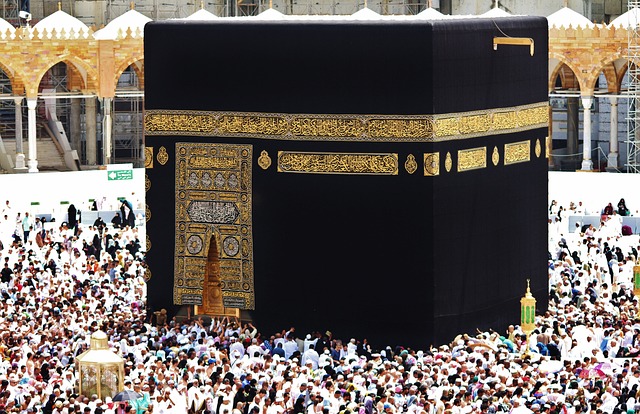
The Importance of Hajj | Why Every Muslim Should Perform This Sacred Pilgrimage
Once a year, Muslim pilgrims flowing into Saudi Arabia unite in a series of religious rituals and acts of worship as they perform the Hajj, one of the pillars of Islam. As they fulfill a religious obligation, they immerse themselves in what can be a spiritual experience of a lifetime for them and a chance to seek God’s forgiveness and the erasure of past sins. Now The question is
What Is Hajj?
Hajj is one of the Five Pillars of Islam, in addition to the profession of faith, prayer, almsgiving and fasting.
Hajj is the annual Islamic pilgrimage to Mecca in Saudi Arabia that is required once in a lifetime by every Muslim who can afford it and is physically able to make it. Some Muslims make the journey more than once.
The Prophet Muhammad,(PBUH), said,
“And Hajj (pilgrimage to Makkah) to the House (Kabah) is a duty that mankind owes to Allah, those who can afford the expenses (for one’s conveyance, provision and residence)” (3:97)
Here’s a look at the pilgrimage and its significance to Muslims.
The Origin And History Of Hajj
The history of Hajj begins with the Prophet Ibrahim (AS), who faced the test of leaving His wife Hajar and infant son Isma’il (AS) in the desert of Makkah, Saudi Arabia. The Prophet Ibrahim (AS) followed Allah’s (SWT) command and left them alone in the desert. Soon, they ran out of water and food. Isma’il (AS) cried because of thirst, and Hajar ran between the nearby hills of Safa and Marwa in search of water. However, despite running between the two hills seven times, she had to return without water to Ismail (AS).

While crying, Ismail (AS) struck the ground with His leg. By Allah’s (SWT) command, a spring of water erupted from that spot, and both of them were able to quench their thirst. Today, we know it as the well of Zam Zam. Hajar traded this water with travelers to obtain food and other provisions. When the Prophet Ibrahim (AS) was commanded by Allah (SWT) to return to His family years later, He was astonished to see the miracles.
Explaining The Rituals Of Hajj
Hajj comprises several rituals and actions that pilgrims must complete in Makkah, as well as visits to other significant locations such as Madina, Mina, Arafah, and Muzdalifah.
The journey begins by entering a state of consecration called Ihram. During this state, pilgrims must adhere to specific restrictions, including wearing special garments, refraining from certain actions such as clipping nails, using perfumes, engaging in marital relations, and more.
Allah states in the Quran, “Hajj is [during] well-known months, so whoever has made Hajj obligatory upon himself therein [by entering the state of ihram], there is [to be for him] no sexual relations and no disobedience and no disputing during Hajj. And whatever good you do – Allah knows it. And take provisions, but indeed, the best provision is fear of Allah. And fear Me, O you of understanding. (2:197)
The days of Mina and the Day of Arafah hold immense significance during Hajj. Pilgrims spend a day in Mina on the eighth of Dhul-Hajj before proceeding to Arafah. From Arafah, they travel to Muzdalifah, where they spend the night before returning to Mina.
The Sacrifice And Tawaf
On the tenth of Dhul-Hajj, pilgrims perform the symbolic sacrifice of an animal for the sake of Allah. They then trim or shave their hair and throw seven pebbles at the designated station in Mina. Afterward, they proceed to Makkah to perform Tawaf, which involves circumambulating the Kaaba seven times, followed by walking between the hills of Al-Safa and Al-Marwah.
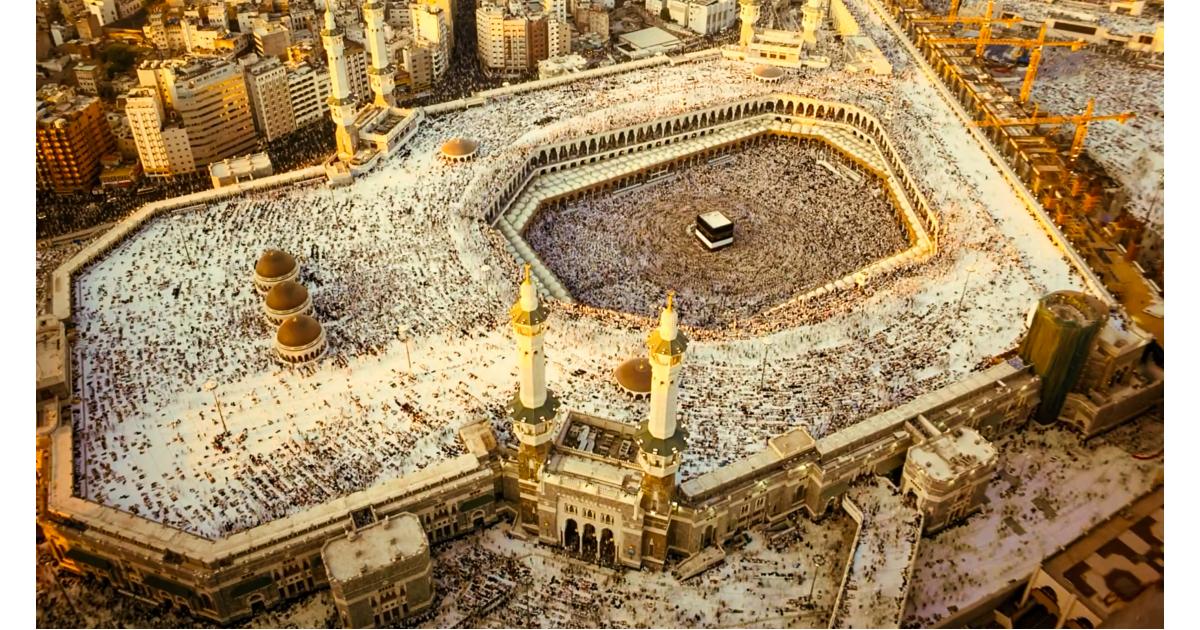
Allah says in the Quran, “And [mention, O Muhammad], when We designated for Abraham the site of the House, [saying], “Do not associate anything with Me and purify My House for those who perform Tawaf and those who stand [in prayer] and those who bow and prostrate. That they may witness benefits for themselves and mention the name of Allah on known days over what He has provided for them of [sacrificial] animals. So eat of them and feed the miserable and poor. Then let them end their untidiness and fulfill their vows and perform Tawaf around the ancient House” (22:26-28)
Prophet Muhammad (PBUH) said
“A person who circumambulates this House (the Kaaba) seven times and performs the two Rak’at Salat (of Tawaf) in the best form possible will have his sins forgiven” [Fiqh Us-Sunnah]
After completing these rituals, the pilgrim removes the Ihram, signifying the completion of their Hajj and the end of the associated restrictions.
Who Is Eligible For Hajj
According to Islam, every Muslim who is healthy, of sound mind, and able to pay for it must go on Hajj at least once in their lives. People who finish the journey can add the name “Hajji” to their name.
The name of the trip comes from the Arabic word hajj, which means “to plan a journey.” Children aren’t required to go on Hajj because they aren’t capable of doing so yet. This is similar to why people under the age of puberty don’t fast during Ramadan. It also says that kids can go on Hajj with a parent or guardian and will get the benefits of the journey.
How To Get Ready For Eid Al-Fitr 2025?
Then Allah (SWT) told the Prophet Ibrahim (AS) to build the Kaa’bah. The Prophet Ibrahim (AS) and His son Ismail (AS) built a small stone building in which the Muslims could meet. The Prophets Ibrahim (AS) and Ismail (AS) went to the place every year as a pilgrimage.
But over the next few thousand years, Arabs who were not religious took over the spot. The Prophet Muhammad rebuilt the Kaa’ba and brought back the Islamic practice of Hajj.
FAQ
Why Is Hajj Important For Muslims?
Hajj is important because it shows a Muslim’s complete submission to Allah. It helps Muslims strengthen their faith, seek forgiveness for their past sins, and feel closer to Allah. It’s also a time for personal reflection and growth.
What Are The Spiritual Benefits Of Performing Hajj?
Hajj offers many spiritual benefits. It is believed that completing Hajj wipes away past sins and offers a fresh start. It also brings inner peace, deepens faith, and strengthens the sense of belonging to the Muslim community around the world.
How Does Hajj Unite Muslims From Around The World?
During Hajj, millions of Muslims from different countries, cultures, and backgrounds come together in one place, dressed alike in simple clothing. This shows the unity of the Muslim community, with everyone equal in front of Allah, regardless of their race, wealth, or status.
How Does Hajj Help Personal Development?
Hajj is a journey that tests patience, endurance, and self-control. It teaches important life lessons, such as being humble, caring for others, and reflecting on one’s actions. Many people return from Hajj feeling spiritually refreshed and motivated to lead better lives.
Conclusion
Hajj is a profound spiritual journey that every capable Muslim must undertake at least once in their lifetime. Rooted in rich history and deep faith, it not only honors the legacy of the Prophets but also brings believers closer to Allah. Through its sacred rituals, Hajj offers forgiveness, renewal, and a lifetime of blessings, ultimately serving as a powerful reminder of the unity and devotion of the Muslim Ummah.

 Secure
donation
Secure
donation