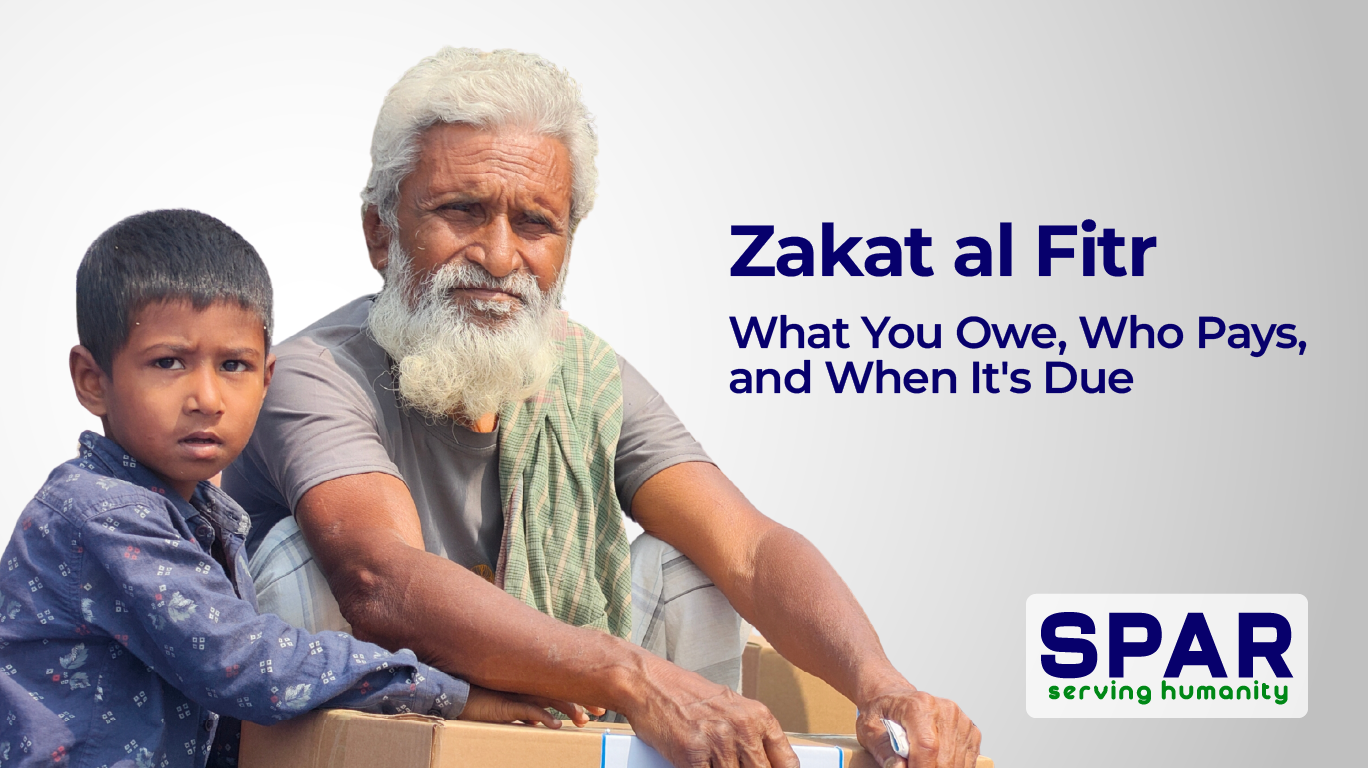
Zakat al Fitr is a compulsory charity every Muslim must pay before Eid al Fitr prayer. Unlike annual Zakat, it doesn’t require a nisab threshold or a full lunar year of savings. Scholars at Al-Azhar set the equivalent at roughly $5 to $7 USD per person in 2024. It applies to every Muslim, including children and infants, with the head of household paying on their behalf. It must reach the poor before Eid prayer begins. Miss that window, and it becomes regular sadaqah, not Zakat al Fitr.
Zakat al Fitr pay: Quick Answer
- What it is: A compulsory end-of-Ramadan charity paid to purify the fast and feed the poor before Eid.
- Who it applies to: Every Muslim who has food beyond their own needs on the day and night of Eid, including children.
- How much: About $5 to $7 USD per person, based on the local price of one sa’ (roughly 2.5 kg) of staple food.
- When: Before Eid al Fitr prayer. Paying one or two days early is also valid, according to Imam al-Nawawi.
- Main rule: The head of household pays on behalf of all dependents, including newborns born before Eid night.
- Most common mistake: Many donors pay after Eid prayer and assume it still counts. After prayer, it counts only as sadaqah, not Zakat al Fitr.
- Who receives it: Only the poor and needy (one of the eight Quranic categories), not mosques, institutions, or general funds.
Why Zakat al Fitr Pay Matters in 2026
Zakat al Fitr isn’t just a ritual. It’s a direct transfer of wealth to the poorest families at the exact moment the ummah celebrates. According to UNICEF, over 330 million children worldwide live in extreme poverty, many in regions where Eid brings no food security at all. Ibn Abbas (may Allah be pleased with him) reported that the Prophet (peace be upon him) prescribed Zakat al Fitr as a purification for the fasting person and as food for the poor, recorded in Abu Dawud and Ibn Majah. When it reaches families before Eid morning, it lands with dignity and timing intact. You can see how SPAR directs this kind of targeted, time-sensitive giving through our Zakat distribution work. That context matters as you work out your own obligation this year.
Key Facts About Zakat al Fitr Pay Most Donors Don’t Know
The amount isn’t fixed in dollars. It tracks the local price of a staple grain, typically wheat, barley, dates, or rice. Ibn Uthaymeen clarified that using cash equivalent is acceptable when it better serves the recipient, a ruling widely adopted today. Pew Research estimated the global Muslim population at 1.8 billion in 2023, which means Zakat al Fitr, if paid by every eligible adult, could move hundreds of millions of dollars to the poor in a single week. The Maliki and Hanbali schools hold that only food is valid; the Hanafi school permits cash. Knowing your madhab matters here. And if a baby is born before Fajr on Eid day, Zakat al Fitr is already due on that child’s behalf.
Can You Pay Zakat al Fitr in Cash?
The Hanafi school permits cash payment when it better serves the poor family receiving it. Most scholars today accept this view on practical grounds. Ibn Uthaymeen confirmed that cash is valid if local conditions make food distribution harder to manage. The Maliki and Hanbali schools still prefer food, arguing the Prophet (peace be upon him) specified grain. But Hanafi scholars note the purpose is to feed, not to follow a form. If cash reaches a family faster and lets them buy what they need, the obligation is met. Most global Muslim donors now pay in cash for exactly this reason.
What Amount Is Correct?
The standard measure is one sa’ of staple food, roughly 2.5 to 3 kilograms. In cash terms, that converts to the local market price of that grain. According to Pew Research, the global Muslim population passed 1.8 billion. If each eligible adult paid even $5, the total movement of wealth in a single Eid week would run into billions. Many scholars in South and Southeast Asia set the cash equivalent at $5 to $10 per person. Check the ruling of a trusted local scholar for the figure applicable to your context.
What If You Miss the Eid Prayer Deadline?
Missing the deadline is a real risk. Zakat al Fitr must reach the poor before the Eid prayer begins. If it arrives late, it counts as ordinary sadaqah, not Zakat al Fitr. Ibn Abbas (may Allah be pleased with him) recorded this clearly, and the hadith appears in Abu Dawud. Paying through an established channel several days before Eid is the safer route. It removes the timing risk from your hands entirely.
Who Bears the Zakat al Fitr Pay Obligation?
Every Muslim who owns food beyond their immediate needs at the start of Eid owes Zakat al Fitr. The head of household pays on behalf of every dependent, including young children and elderly parents. A baby born before Fajr on Eid morning is already included. Scholars differ on whether it applies to an unborn child. The majority opinion does not require it for a fetus. A person who is poor and cannot meet their own daily needs is exempt. But the threshold for exemption is low. If you have a meal for Eid Day, most scholars say you should pay.
Common Misconceptions About Zakat al Fitr Pay
Many Muslims confuse Zakat al Fitr with Zakat al Mal, the annual wealth tax. They are different obligations entirely. Zakat al Mal applies to savings held for a full lunar year above the nisab threshold. Zakat al Fitr applies to every Muslim regardless of wealth, and the trigger is Ramadan’s end, not savings. Another common error is calculating the amount based on a fixed dollar figure heard years ago. Food prices shift. The correct amount changes with local grain prices each year. A third mistake is paying after Eid prayer. That payment is valid sadaqah, but the specific purification intended by Zakat al Fitr is lost.
Who Receives Zakat al Fitr?
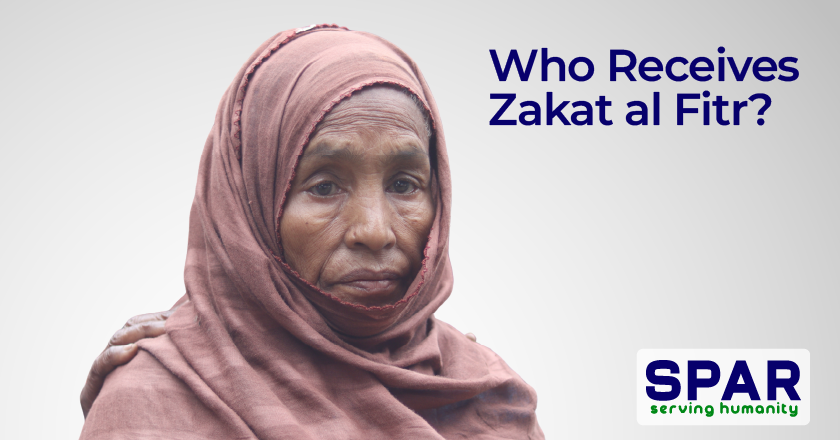
The eight categories in Surah At-Tawbah (9:60) technically apply, but scholars identify the poor and the destitute as the primary recipients of Zakat al Fitr. The timing gives context. Its purpose is to ensure no family sits through Eid without food. Families living in chronic poverty, widows raising children alone, and displaced communities with no income are the intended priority. The teams serving these families work quietly, season after season, connecting donors far from the problem to households where $5 makes the difference between a meal and an empty plate on Eid morning.
What Every Muslim Should Know Before Paying Zakat al Fitr
Zakat al fitr pay is one of the most time-sensitive acts in the Islamic calendar. The window is short. The obligation is clear. And the amount, roughly $5 to $7 per person based on current staple food prices, must reach recipients before Eid prayer. According to the Food and Agriculture Organization of the UN, staple grain prices shift each year, so the correct amount changes with them. Every Muslim in the household is included, from infants to the elderly. Getting this right means checking local guidance each Ramadan, not relying on a figure from years past.
Does Zakat al Fitr Pay Change Each Year?
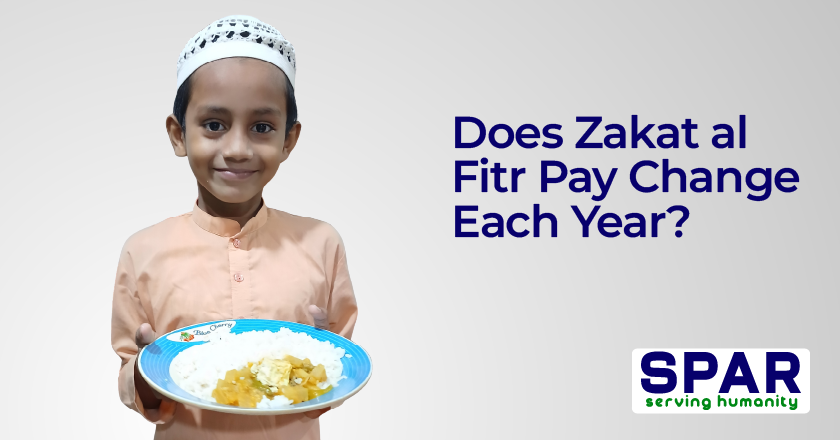
Yes, it changes. Scholars base the amount on the local market price of a sack of staple food. A sa’ equals roughly 2.5 to 3 kilograms. As grain prices rise or fall, the dollar equivalent moves with them. Families should check with a trusted scholar or local Islamic body each year. Using an outdated figure does not void the obligation, but it may fall short of the intended value.
Who Collects and Distributes Zakat al Fitr?
Trusted organizations collect and distribute on behalf of donors. This model works well for Muslims who live far from recipients in need. SPAR works across communities where Eid arrives without food on the table. Bangladeshi families, Rohingya households in Cox’s Bazar, and Palestinian families facing ongoing hardship all fall within reach of organized distribution. The key is choosing an organization with verified field access and a track record of delivering before Eid morning.
Zakat al fitr pay connects every Muslim to the same act of care, across every time zone and income level. It is not about the amount. It is about the intention behind it, and the family on the other side who wakes up to Eid with something to eat. SPAR’s work runs quietly through the seasons, reaching households that would otherwise mark Eid in silence. See how this work continues.