

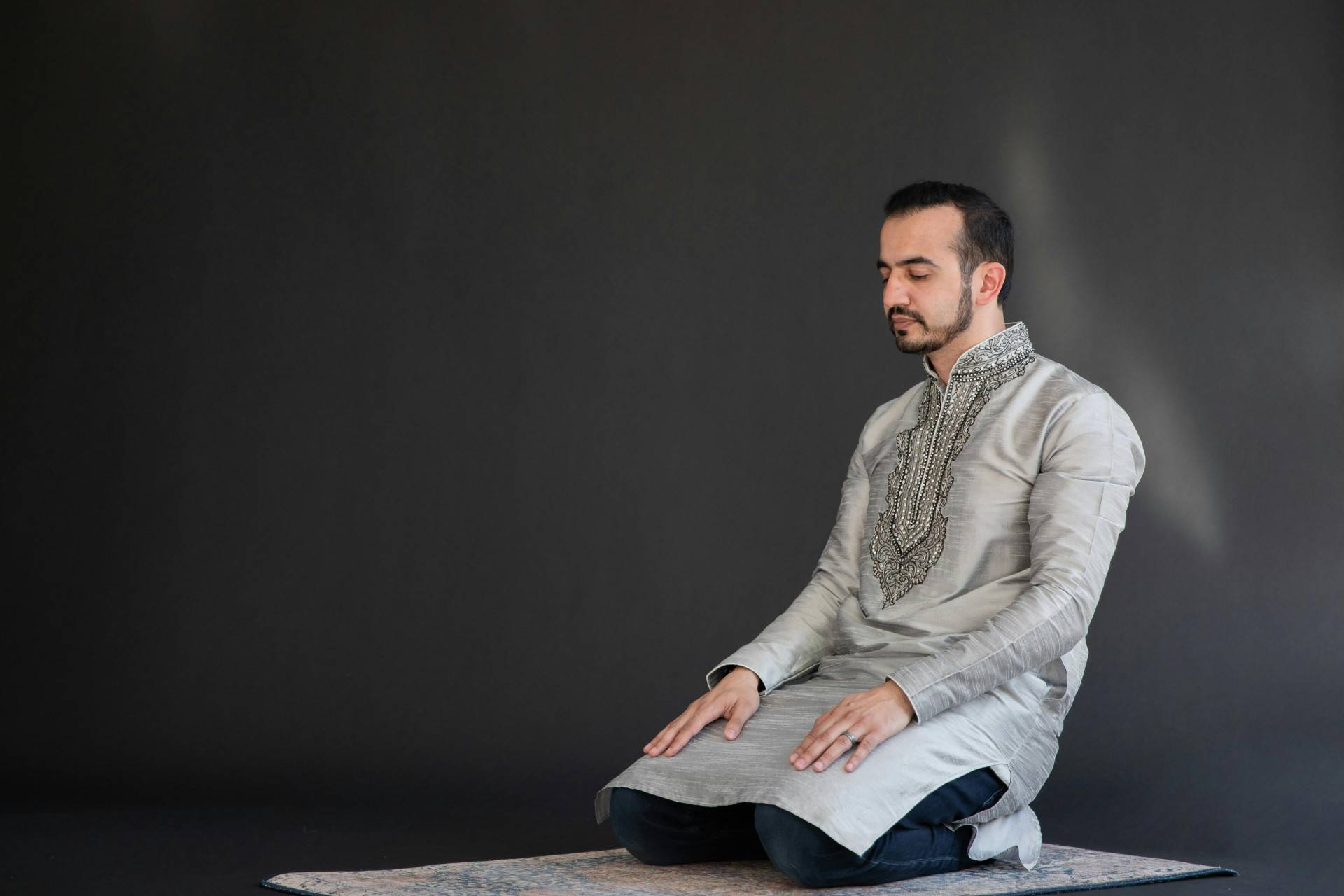
The Incredible Benefits of Tahajjud Prayer: Strengthen Your Faith and Improve Your Life
It is a nafl, or optional prayer, to say the Tahajjud prayer. People pray this prayer at night to get mental power and peace. It is also known to stop people from doing bad things. There are four main types of prayer, or salat, which is one of the Five Pillars of Islam.
- Fardh Salat: According to Islam, Fardh Salat is the most important prayer and not saying it is a big sin.
- Wajib Salat: You have to do it, and not doing it is also seen as a very bad thing.
- Sunnah Salat: This is what Prophet Muhammad (PBUH) did. There are two types of Sunnah Salat: Muakkadah and Ghair Muakkadah. The first one should be done regularly, and not doing it is seen as a sin. People say that Prophet Muhammad (PBUH) sometimes missed the second one, but missing that one is not punished.
- Nafl: Nafl is the last of the four main types of prayer. It is not required, but most people do it to gain extra virtue. There is no sin in missing this prayer.
Tahjjud Rakats And How To Perform Them
As the night goes on, people can choose to say the extra Tahajjud prayer. When people pray Tahajjud, they usually do it in groups of two. You should give at least two rakats, and eight rakats is the usual amount.
But you don’t have to use a certain number of rakats. Doing it is the same as saying the required prayers. Some people say you should take a nap before doing it, though. Although you don’t have to have slept in order to do it, you can if you want to.
Why Should You Perform Tahajjud?
In the Islamic faith, the Tahajjud prayer in the last third of the night is very important because it greatly affects a believer’s relationship with Allah, personal growth, and health.
What, though, is so important to Muslims about Tahajjud? Here are a few reasons that show how important it is:
Speaking directly with Allah:
The night, especially the last third of it, is a time of peace when the day’s worries are behind you. We pray and ask for help during these times, so they go straight to Allah. If you ask Our Lord, “Who is calling Me so that I may answer him? “he will come down to the lowest heaven in the last third of every night, the Prophet Muhammad (peace be upon him) said.

Who asks me if I can give it to them? “Who is asking Me to forgive them so that I can forgive them?” (Bukhari and Muslim). This hadith shows how important it is to remember that during Tahajjud, Allah is very close and is listening and answering His people.
Spiritual Awakening and Reflection:
Tahajjud is a one-of-a-kind chance to think about yourself and your spiritual life. It’s a time for Christians to think about what they’ve done, ask God to forgive them, and make personal prayers with hope and humility. This spiritual reflection can help clean up your heart, make you more self-aware, and make you more determined to follow the right road.
Psychological Benefits:
Tahajjud can calm the mind and make you feel less stressed and anxious. The practice encourages mindfulness and spiritual peace, which is tied to better mental health. It helps you be calm and aware, setting a good mood for the day ahead.
Better Discipline and Willpower:
Waking up every day for Tahajjud improves discipline and willpower. This dedication can spread to other areas of life, making it a habit to be determined and persistent.
Greater Reward and Forgiveness:
Tahajjud is a prayer that people choose to do alone. Doing acts of worship alone, especially when everyone else is asleep, is a sign of true faith and devotion. It is a time of more mercy, forgiveness, and guidance, so Allah offers great rewards to those who seek His closeness and forgiveness during these hours.
Requests and Duas for Individuals:
During Tahajjud, Muslims have a unique chance to ask Allah for something specific (dua). You can pray for yourself, your family, and the whole Ummah at this time, asking for everything from material things to spiritual direction and forgiveness.
Following what the Prophet said (Sunnah):
Doing Tahajjud is also a way to be like the Prophet Muhammad (peace be upon him), who did it all the time. As Muslims follow his lead, they not only get closer to Allah, but they also get closer to their Prophet.
FAQ
What Is Tahajjud Salat?
Tahajjud Salat is a voluntary prayer performed in the late hours of the night, after waking up from sleep. It is considered one of the most rewarding and spiritually uplifting prayers in Islam.
When Is The Best Time To Pray Tahajjud?
The best time to pray Tahajjud is during the last third of the night, before the Fajr prayer. This time is considered the most blessed, as it is when Allah’s mercy and blessings are believed to be abundant.
How Many Rak’ahs Are Performed In Tahajjud Salat?
There is no fixed number of rak’ahs for Tahajjud Salat. You can pray as many rak’ahs as you wish, but it is recommended to pray in sets of two rak’ahs. Some people may pray 2, 4, 6, or even 8 rak’ahs.
Is Tahajjud Obligatory?
No, Tahajjud is not obligatory. It is a voluntary (nafl) prayer, meaning it is not required for Muslims, but performing it brings great spiritual benefits and rewards.
Can I Make Dua (Supplication) During Tahajjud?
Yes, it is highly recommended to make dua during Tahajjud, especially after completing the prayer. The time of Tahajjud is considered a moment when Allah is most responsive to the prayers and supplications of believers.
Conclusion
In conclusion, Tahajjud prayer offers immense spiritual, mental, and personal benefits. It strengthens your connection with Allah, brings inner peace, and enhances discipline. Praying Tahajjud allows for personal reflection, forgiveness, and special requests to Allah, making it a valuable practice for improving faith and life.


 Secure
donation
Secure
donation