

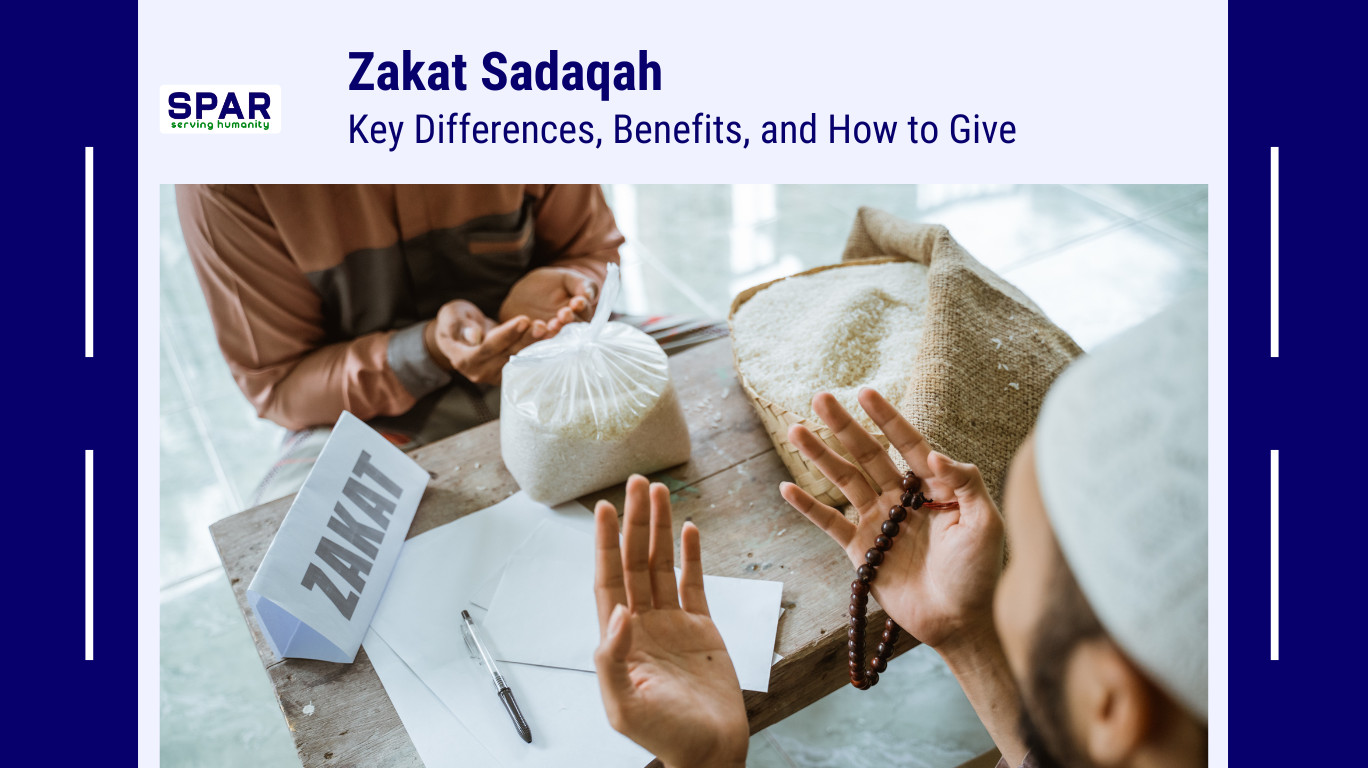
Zakat Sadaqah: Meaning, Differences, and Benefits
Zakat Sadaqah are two of the primary forms of giving in Islam. Both are forms of charity, but their goals, regulations, and ways of giving differ. Zakat is obligatory worship, an annual obligation for Muslims who meet specific criteria to cleanse their wealth. In contrast, Sadaqah is an optional act of kindness that can include non-monetary donations or acts of kindness or benevolence.
In addition, to helping the needy free from any financial barrier, Zakat is a source of barakah and a stress and anxiety reliever for the giver. In this article, we will discuss the difference between Zakat and Sadaqah, the calculation of Zakat, and examples of Sadaqah and its effect on society.
Zakat and Sadaqah: A Guide to Giving in Islam
What is Zakat?
Zakat is one of the five pillars of Islam—aspects of the faith that every Muslim is obliged to perform if capable—and is specifically an obligatory form of worship to be carried out by every Muslim who meets specified criteria.It asks people to donate 2.5% of their extra and surplus wealth to help others. This obligation purifies the giver’s wealth and cultivates a sense of responsibility toward the community’s welfare.
One of Islam’s essential aspects is the collection of Zakat, which is the distribution of wealth among the less privileged class, such as the poor, the debtors, and the orphans. Zakat is obligatory upon all Muslims once they own wealth above the minimum amount—the Nisab—set by Islamic law and is paid annually.
What is Sadaqah?
It is not mandatory; Sadaqah is voluntary charity wherein there are no specific rules, laws, or amounts. It can be given in any form—as financial assistance, helpful works, or a simple smile. Sadaqah is an act of charity where you choose voluntarily to share out of your goodness and establish more generosity and spread your empathy toward others.
Unlike Zakat, Sadaqah can be given at any time and to anyone, regardless of their religion or identity. It is a significant benefit that Muslims can receive rewards and something useful for society every day.
Critical Differences Between Zakat and Sadaqah
- Obligation
- Zakat: It is a religious duty for eligible Muslims.
- Sadaqah: A voluntary act of charity that is encouraged by all Muslims.
- Fixed Rate
- Zakat: 2.5% of eligible wealth
- Sadaqah: No prescribed amount; it is left to the giver’s discretion.
- Recipients
- Zakat (Set aside a small portion by Sadaqah): Given to certain groups mentioned in the Quran ( like the poor, needy, & indebted).
- Sadaqah: (Voluntary charity) can be given to anyone in need, even non-Muslims.
- Timing
- Zakat: Annual payment on wealth above Nisab.
- Sadaqah: Free to give, no limitation on time/date.
How to Calculate Zakat
Calculating Zakat is easy:
- Identify your wealth: Cash savings, gold, business profits, etc.
- List out your liabilities: This is anything that you owe somebody.
- Verify the Nisab limit: It must surpass the Nisab limit, which is the value of 85 grams of gold or 595 grams of silver at a time.
- 2.5%: Multiply your surplus wealth by 2.5% to get your Zakat amount.
So if your total wealth after deducting liabilities is $10,000, your Zakat will be $250.
Benefits of Zakat and Sadaqah
- Purifies Wealth
Zakat purifies a person’s wealth by eliminating greed and selfishness. We must ensure that wealth is used responsibly and ethically.
- Brings Blessings (Barakah)
These charity types attract blessings that increase the giver’s wealth and improve well-being in general.
- Builds a Stronger Community
Charitable acts help bridge the gap between socioeconomic classes and develop a sense of unity and compassion amongst all community members.
- Increases Spiritual Growth
Zakat and Sadaqah strengthened their relationship with Allah and increased their faith.
Examples of Sadaqah
- Donate to a food bank or a shelter.
- Helping a neighbour in need.
- Eco planting of trees for the environment.
- Devoting time to volunteer for a community project.
- Giving a gentle smile or some kind words to someone low.

The Impact of Zakat and Sadaqah
The positive effects of Zakat and Sadaqah on people and society are immense.
- Reduces Poverty
Zakat: The key charity, Zakat, is the obligation to financially support the poor and provide basic needs like food, shelter, and medical assistance.
- Fosters Social Justice
The redistribution of wealth through zakat also creates a fairer society in which the gap between rich and poor is narrowed.
- Promotes Goodwill
Thus, Sadaqah forms and reinforces warmth and stronger relationships with people of diverse faiths & backgrounds.
- Supports Community Projects
This is because a large portion of Zakat and Sadaqah goes toward the construction of schools, hospitals, and other infrastructure that could benefit the public.
Modern Ways to Pay Zakat and Sadaqah
Technology has made it easier to fulfil your charitable obligations:
It’s easier than ever for technology to be used in doing your charitable duty:
- Online Payment Platforms: Many websites, such as SPARBD, offer the quickest and most transparent ways to pay the Zakat and Sadaqah.
- Zakat Calculators: Digital tools to help you separately work out your exact Zakat.
- Scheduled Donations: You can set up automatic payments to ensure you contribute regularly.
Practical Tips to Make Giving a Habit
Create a Budget: Allocate a specific percentage of your monthly earnings to philanthropy.
- Begin with Little: Little gestures of Sadaqah can shape the community.
- Involve Family: Teach kids to give—involve them in charitable endeavours.
- Broaden Contributions: Contribute to a range of causes, including, but not limited to, education, health care, and disaster recovery.
Final Thought: Zakat Sadaqah
Zakat and Sadaqah are more than just acts of giving—they are transformative practices that benefit the giver and receiver. By God’s will, if Muslims realise what Zakat and Sadaqah mean if they get used to practicing them in their daily lives, they will cleanse their money, improve their spiritual life, and contribute to a more empathetic society. Get started today and see for yourself the difference you can make.
What is the main difference between Zakat and Sadaqah?
Zakat is a compulsory annual charity Sadaqah: Voluntary generous supererogatory act
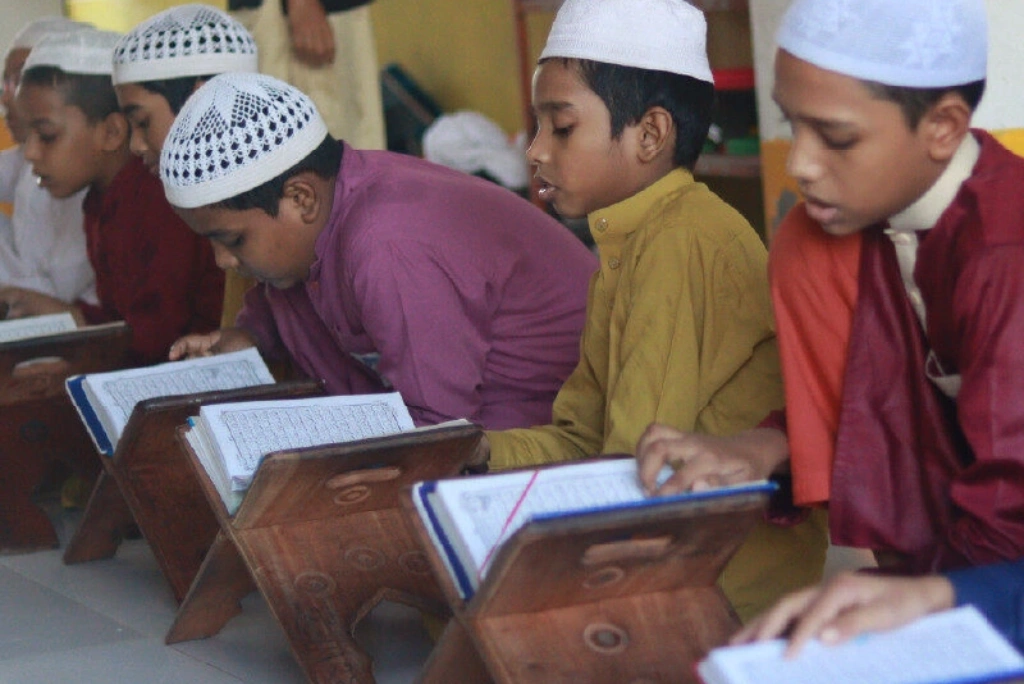
Who can receive Zakat?
As the Quran describes, Zakat is distributed to specific categories of people, such as the poor, orphans, and debtors.
Can non-Muslims receive Sadaqah?
Sadaqah can be given to anyone in need, regardless of a person’s faith.
How is Zakat calculated?
Zakat is 2.5 percent of excess wealth in excess of the Nisab threshold.
Is there a minimum amount for Sadaqah?
No, Sadaqah has no fixed amount. You can give as much or as little as you want.
Can I pay Zakat monthly?
Yes, you can pay Zakat in installments, as long as the full amount is paid within the year.
How does Sadaqah benefit society?
Sadaqah promotes goodwill, reduces poverty, and strengthens social bonds.

 Secure
donation
Secure
donation