

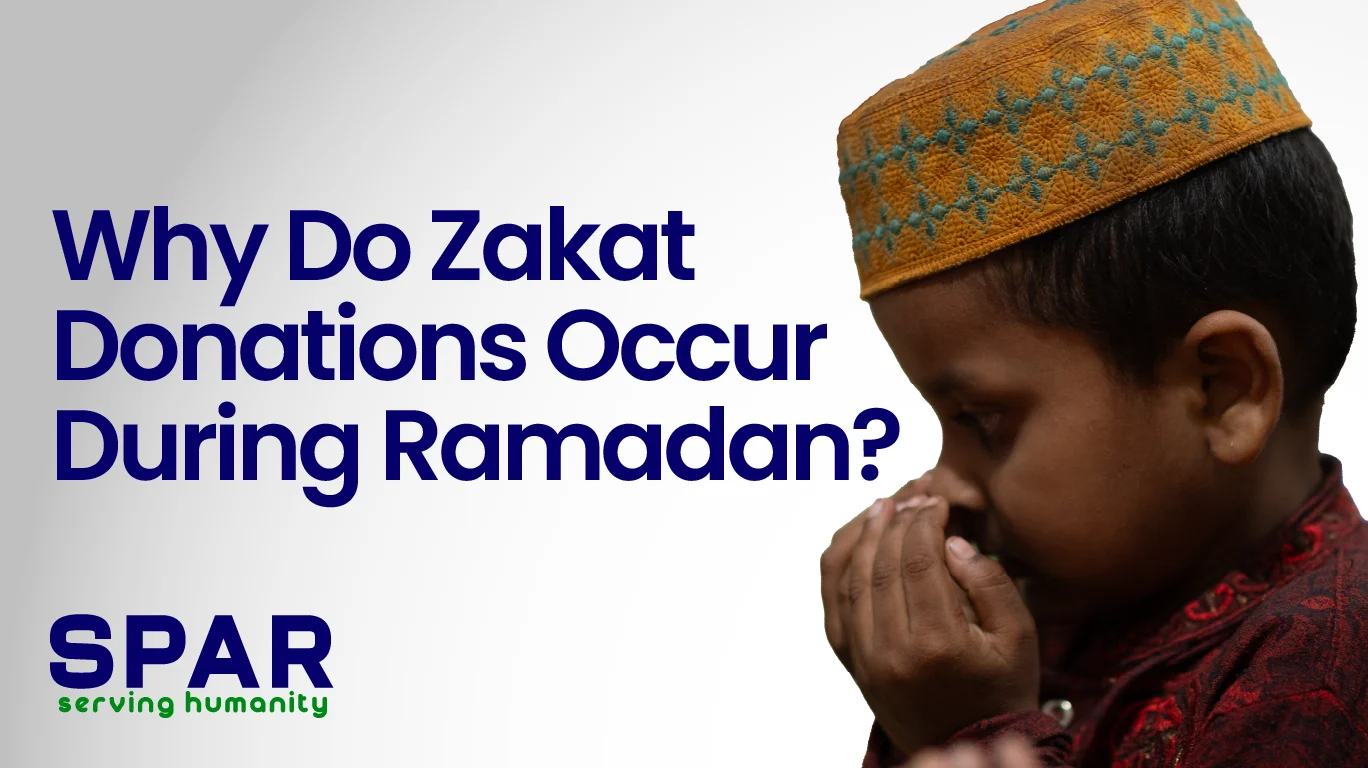
Why Do Zakat Donations Occur During Ramadan?
Each Ramadan, Muslims the world over open up their hearts and share abundantly. Zakat is the most practiced and significant form of charity during Ramadan. Sometimes you will hear people say, “Why do Zakat collections take place during Ramadan?”
The solution is not merely a question of habit or tradition. It’s about faith, compassion and timing. Ramadan, the month of mercy, contemplation and prize. Muslims fast during Ramadan to purify their hearts and give Zakat to cleanse their earnings. By reaching out to other people, it’s a spiritual and social act that benefits both the giver and receiver.
In this post, we are going to take a look at the real reasons behind why, as an Ummah (community), we tend to pay more Zakaat during the month of Ramadan in particular—what it signifies, how it serves us, and why it remains one of the most powerful manifestations of faith and charitable giving when following the way brought to you by Islam.
What Is Zakat and Why It Matters
Zakat is an Islamic obligation and one of the Five Pillars of Islam. It’s not just charity; it is a duty. Everyone except those meeting some criteria on personal wealth who are Muslim adults must donate to the needy with a small percentage of their wealth (usually 2.5 percent of one’s overall savings). One simply has to meet certain financial conditions and be an adult Muslim in order to not owe anything.
The term Zakaat is derived from the Arabic word “zakaa,” which means to grow or to purify. It is the expiation of what one has and the soul from greed, while increasing by blessing their wealth: “In regards to ‘eternal salvation,’ it purifies their property and soul (s) from miserliness and causes growth in (blessing for) their property.”
There’s more to Zakaat than just a monetary exchange. It promotes development and lifts the poor, and it fosters social harmony by uniting Muslims. It’s a system of pity that keeps an equitable flow of wealth going so no one is left behind.
Why Do Zakat Donations Occur During Ramadan?
And finally, even I get asked this question: why do Muslims give Zakaat in Ramadan rather than in any other month? The reasons are both spiritual and physical. Let’s examine both of them.
Ramadan Multiplies the Rewards
Islam offers virtues throughout the year. But in Ramadan, Allah multiplies everything. Charity completed this month receives endless rewards, more than at any other time.
This is what makes Ramadan one of the best times to give Zakat. Believers desire that their charity may have the fullest reward and the most abundant forgiveness. Donating in Ramadan is not only about helping others—it’s also an opportunity to stack up endless blessings for yourself.
Fasting Inspires Empathy and Gratitude
Muslims also feel hungry and thirsty while they are fasting. This reminds them that some people are hungry due to circumstance, not choice. Fasting builds empathy and gratitude.
That emotional connection drives generosity. Having felt hunger, many Muslims have a stronger desire to share their time and what they have. It’s why the donations of Zakaat roll in during Ramadan—it turns people into more focused, thoughtful human beings when it comes to the lives of others.
It Purifies Wealth At the beginning of Shawwal, Before Eid al-Fitr
Muslims strive to do away with all acts of worship before the celebration of Eid al-Fitr, which includes paying off their Zakat. They wish to enter Eid with a clean heart and clear mind.
And giving Zakat before Eid makes sure our wealth is pure, and it allows others to also have a decent Eid. It’s a way of sharing happiness and balance in the neighborhood.
Spirit of Unity and Common Welfare According to Al-Monitor, Mayor Ramadan is quoted in some organizations’ reports as claiming that his decision was taken in support of unity during the time of year and the common good—in a show of Arab hospitality.
Ramadan Encourages Unity and Collective Good
Ramadan brings people together. Prayers, fasting and charity also bring families, friends, and entire communities closer together.
When everyone is doing it all at the same time, it adds up. Whole communities can be supported at a time—food drives, shelter programs and relief efforts are all made stronger.
And that’s one reason organizations like SPAR Project run special Ramadan campaigns. When collective giving occurs in one signature wave, the transformation of so many lives is profound.
Zakat’s Connection to Fasting and Worship
For Ramadan is not just about not eating. It’s about discipline and self-awareness, practice and growth “on all levels.” The former purifies body and soul, while the latter purifies money.
Both acts are deeply connected:
- By fasting, one purifies the self of ego and desire.
- Zakat purifies wealth from avarice and selfishness.
Done together, they complete the cycle of purification—spiritual, emotional and financial. That’s one reason why both fasting and charity are bedrock principles of Ramadan.
How Zakat Builds a Fair Society
Zakat is not a personal matter only. It is a social system that transforms people’s lives. It’s what prevents wealth from becoming the possession of a few and puts it into circulation to benefit all.
Here’s what is beneficial if Zakat is effective:
- It lessens poverty: It provides assistance to the poor so that they can survive and begin to rebuild their lives.
- It overcomes alienation: the rich and the poor become linked through compassion rather than divided.
- It contributes to education and health: A large portion of Zakaat money goes into setting up schools, hospitals, and programs for the community.
- It advances justice: society becomes fairer and more equal if wealth is shared.
This positive impact is even more magnified when Zakaat is distributed in Ramadan—as the time of giving and receiving increases exponentially.
How SPAR Project Uses Your Zakat Donations
At SPAR Project, we don’t just pick up Zakaat—we transform it into action. All donations are used to support programs that empower vulnerable populations.
This is where your Zakat does the most good:
- Food distributions for families without enough to eat during Ramadan fasting.
- Refuge and warmth for the weary.
- Children who cannot afford the cost of schooling receive assistance.
- Medical care for struggling families.
- Humanitarian aid for victims of conflict and catastrophe.
It is an accountable and transparent use of every dollar. The SPAR Project adheres to Islamic protocols for deployment of Zakat to make sure that your donation goes into the right hands at the right time.
Why Timing Matters
Zakat can be given, no doubt, at any time of the year. But scheduling it during Ramadan offers three special benefits:
- Spiritual focus: People are already being prepared for a heart attitude of worship and giving.
- Community giving: When more people contribute, it enhances the ability to respond to the needs of the community.
- Accountability: Many Muslims plan around Ramadan for their finances, so it’s an easy time to calculate and distribute Zakat.
Donating in Ramadan isn’t just a matter of timing—it’s by intention and purpose.
How to Calculate Your Zakat Easily
Many people hold back on giving because they don’t know how much to tip. But it’s simple.
Here’s a quick guide:
- Your Zakat is 2.5% of all savings and assets.
- That includes money, gold, silver, trade and all the other gains accumulated over a lunar year.
- Anything you use personally, like your home, car or everyday clothes, doesn’t count.
For example, for KD 8,000, you will pay $200 Zakaat.
You can use an online Zakat calculator (such as this one from SPAR Project) to ensure you give the correct amount.
The Global Impact of Ramadan Zakat
When millions of Muslims think of Zakaat in Ramadan, the impact is phenomenal. In a single month, global Zakaat can accomplish these goals:
- Feed millions of hungry families each evening.
- Clean the entire village in one fell swoop.
- Provide for the refugees forced to flee war.
- Discuss the education of thousands of children.
- Take medicine to the elderly and infirm.
Zakat doesn’t simply benefit the individual—it bolsters society as a whole. It helps turn compassion into real, measurable change.
Why Giving Zakat Builds Inner Peace
In addition to helping others, giving Zakaat allows a person to experience inner peace. It is meant to remind Muslims that all they have is trust in Allah.
“When you freely give of your abundance:
- Let go of greed.
- Strengthen your faith.
- Feel grateful for what you have.
- ”Walk away with a sense of the joy that comes from helping others.
It’s this emotional return that explains why Ramadan is so rewarding for those who give. The gift itself is an act of worship.
Final Thought
Then why are Zakat donations done in Ramadan? Ramadan is a month of mercy, contemplation, and multiplied rewards. It is a time when hearts soften, faith strengthens and generosity flows.”
By offering the Zakaat in this month, we get a reward for worship in addition to such wealth. It cleanses your money, assists those in need, and increases your closeness to Allah.
Your Zakat has power. It can provide a meal to a hungry child, an education for a student, or protection against cold and hunger for an entire family. Each offering, no matter the size, begets hope.
This Ramadan, give your Zakat in a meaningful way. Visit SPAR Project to donate your Zakat and experience the impact of your generosity.
Do I need to give Zakat only in the month of Ramadan?
No. Zakat can be paid once you have completed one lunar year of possession of your wealth. It’s just Ramadan because it is more blessed.
What is the distinction between Zakat and Sadaqah?
Zakat is obligatory and quantified, but Sadaqah is voluntary as well as unquantified any time at any number.
Can I give Zakat online?
Yes. Reliable entities like SPAR Project were making it possible to safely donate online, in accordance with Islamic tradition.
Who can receive Zakat?
Zakat is for eight categories described in the Quran, including the poor, needy and who are stricken with debt or hardship.
Did I forget to give Zakat for one year?
You’ve got to make it right, and fast. Tucking an annual reminder away will help make sure you do not miss it again.
How can I prove that my Zakat reached those in need?
Pick transparent organizations that report and provide updates, like SPAR Project.
Why is Zakat associated with Iman so much?
Because it is evidence of trust in Allah’s promise—that spending does not decrease wealth but multiplies it with blessing.


 Secure
donation
Secure
donation