

Who is eligible for Zakat? A Simple Guide to Zakat Eligibility
One of the five pillars of Islam is zakat. It is a mandatory form of almsgiving that assists Muslims in purifying their wealth and aids the underprivileged. But if you’re wondering, “Who is eligible for Zakat? You’re not alone. Many Muslims are confused about who is eligible to receive Zakat and the method of giving it.
This guide will cover who is entitled to and who the Zakat can be given to. We will also see the proper distribution of Zakat. By the time you’re done, you’ll have a clear understanding of how you can perform your Zakat obligation, whether as the giver or receiver.
What is Zakat?
Besides, Zakat is compulsory for all Muslims who possess a particular value. Involves donating a percentage (generally 2.5%) of your savings or possessions to people in need. To alleviate poverty, foster equity, and cleanse wealth.
Such charity is known as Zakat, and it is distinct from all other types of charitable giving as it is obligatory by law for Muslims. It allows Muslims to cleanse their wealth and transfer it to the needy.
Who is eligible for Zakat?
Now, let’s see the classes of people who are entitled to receive Zakat. Islam lays out specific guidelines as to who can receive this charity. Let’s break it down.
1. The Poor (Al-Fuqara)
Zakat is primarily for those of the poor class. This is for individuals who do not have their basic needs—such as food, clothing, or shelter. Anyone whose income is not sufficient to pay for basic expenses, such as rent and food, is eligible for Zakat.
To be poor, you don’t need to be completely out of work. It’s about scraping to survive. And this is the group that is supposed to be helped with Zakat.
2. The Needy (Al-Masakin)
Now, needy people are also included in Zakat. This group also comprises people who have some income but need more to afford the minimum of their needs.
Someone with a low-paying job who still struggles to pay rent, buy food, or pay medical bills is considered needy, for example. Zakat can make up for the gap for these people.
3. People in Debt (Al-Gharimin)
Let us move on to the next group of people who can receive Zakat: those who are in debt. Those who are in debt and have no means of repayment can also receive Zakat to settle their debts.
For instance, a person who has taken out a loan for medical treatment or to cover basic necessities is eligible for Zakat. Zakat can ease their burden of debt and help them rebuild.
4. Those Who Strive in the Way of Allah (Fi Sabilillah)
It is a generosity given to the people who are working or fighting for the cause of Islam (working for the sake of Allah). Such people can include soldiers, volunteers, or others who are serving the Muslim community in challenging circumstances.
They might be risking their lives or volunteering their time and effort for a good cause and needing financial resources. And the reality is they need all the support in the world, so your zakat can allow them to continue their work without the burden of basic necessities.
5. Travelers (Ibn al-Sabil)
If someone is on a journey and he does not have enough money, he can also get Zakat. The latter group is referred to as Ibn al-Sabil. Perhaps they are on a pilgrimage for work, schooling, or faith but ended up without enough to go on.
Zakat could save them from this situation and help them go home or give them the means to complete their travel.
6. Orphans and Vulnerable Children
You can also give Zakat to orphans and vulnerable children who lost their parents or children who are poor. Extended families may no longer have the capacity to care for them, leaving orphaned children to rely on their resources through street work. Zakat can provide for their food and shelter needs at a basic level.
Which means feeding, sheltering, educating, and caring for these kids.
7. Widows and Elderly Without Support
Mosques are also providing support to widows and elderly people without family who are not able to work with Zakat funds. These people could fail to manage their everyday needs. Zakat can enable them to live with dignity.
Islam teaches the importance of looking after the elderly and widows, and Zakat provides for them when nobody else will.
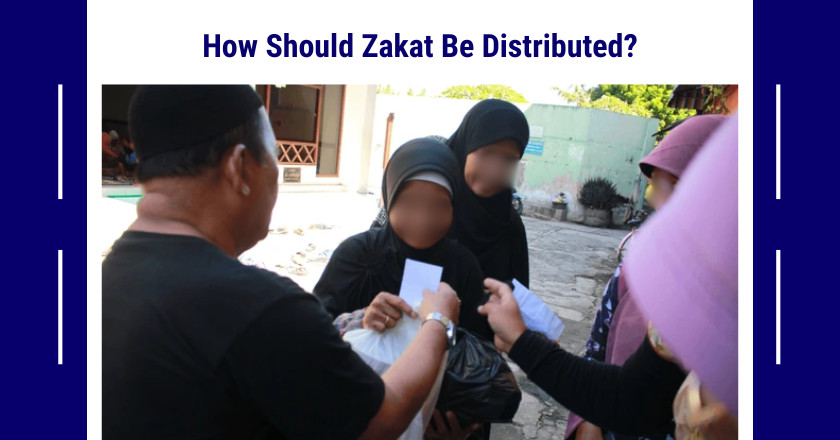
How Should Zakat Be Distributed?
Now, the next important question after understanding who Zakat is eligible is: how should it be given?
Zakat is given out in different forms:
- Zakat online for individuals: You can give Zakat to the people who are in desperate need of it. Doing so guarantees your donation goes directly to the appropriate person.
- Donations: Most people prefer to pay Zakat via registered charities. These organizations are well-versed in Zakat distribution.
- Mosques and Islamic Centers: Many local mosques and community centers collect Zakat and distribute it in the local community to those who are eligible.
Who is Not Eligible for Zakat?
Although many individuals can benefit from Zakat, specific categories of people are ineligible:
- Rich people: Whoever is rich enough to provide sustenance for himself and his family does not deserve to be given Zakat.
- Non-Muslims: Zakat is to be given only to a Muslim. General charity is, however, permissible for non-Muslims.
- Family members: You cannot give Zakat to your family members, which includes your parents, children, and spouse, because they are your financial responsibility.
Conclusion
This also includes paying Zakat, an obligatory charity in Islam by Muslims. Knowing who is eligible for Zakat helps make sure that your donation goes to those who need it most. Any time that you are giving or accepting Zakat, it is critical to adhere to the guidelines and improve to create a greater sincere and honest society.
May Allah accept your Zakat and bless you and all those whom you help.
Who is eligible for Zakat?
Zakat is given to the poor and needy, those in debt, travelers, orphans, widows, and those fighting for the cause of Islam.
Is it permissible to give Zakat to one’s own family?
Close relatives, parents, children, or spouses cannot take Zakat because you already have to provide their basic needs.
Is it permissible to give Zakat to non-Muslims?
No, Zakat is for Muslims only. Can we give Zakat to a charity?
What if one is in debt but not poor?
Zakat can still be given to them if the debt makes their life unbearable.
How is Zakat distributed?
Zakat can be given to individuals or through a charity, mosque, or Islamic center.
Is there a minimum amount for giving Zakat?
You pay Zakat based on the wealth you own. If you are able to afford it according to their criteria, then you must pay 2.5% of your savings.

 Secure
donation
Secure
donation