

What Can Be Done To Prevent Future Floods in Bangladesh?
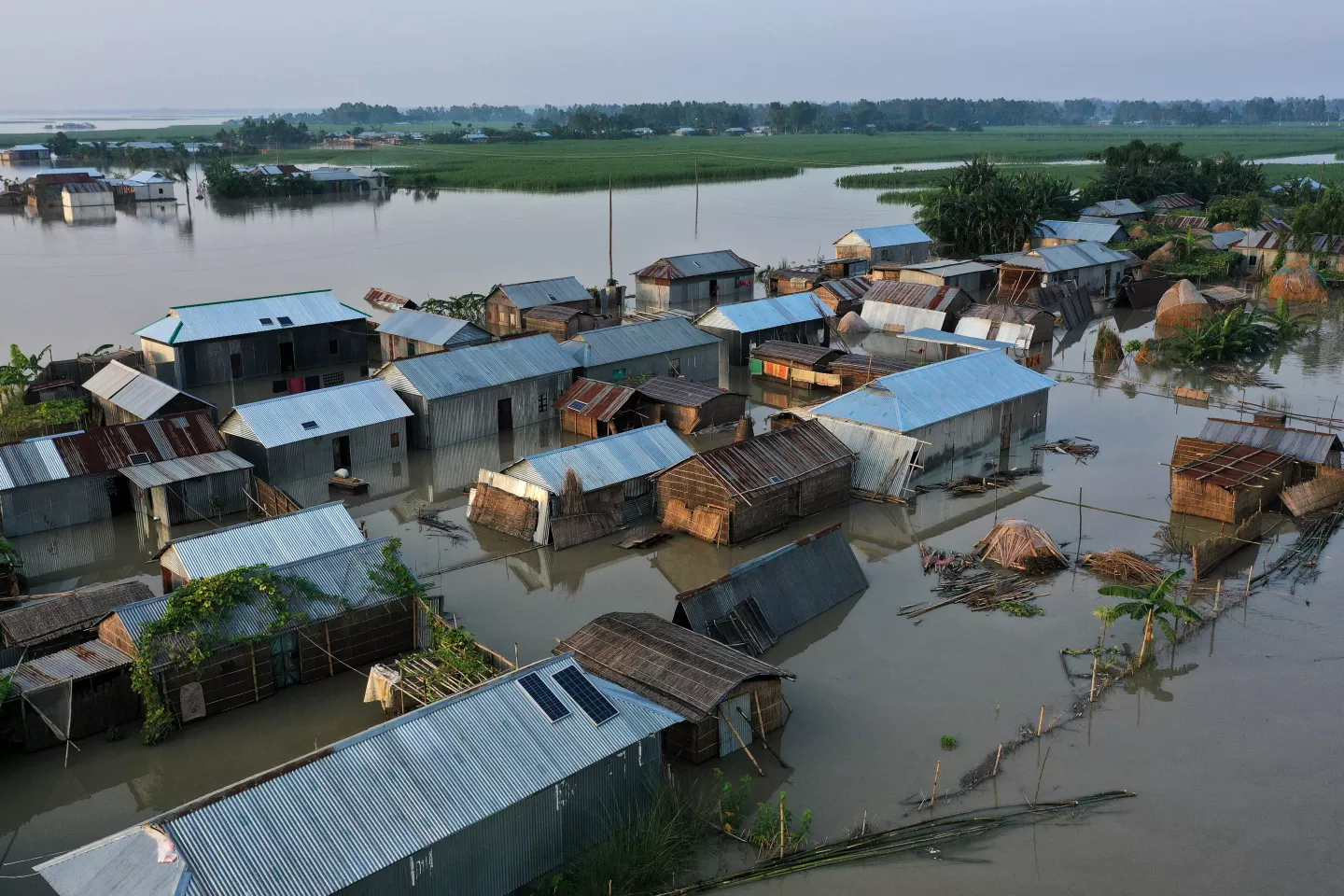
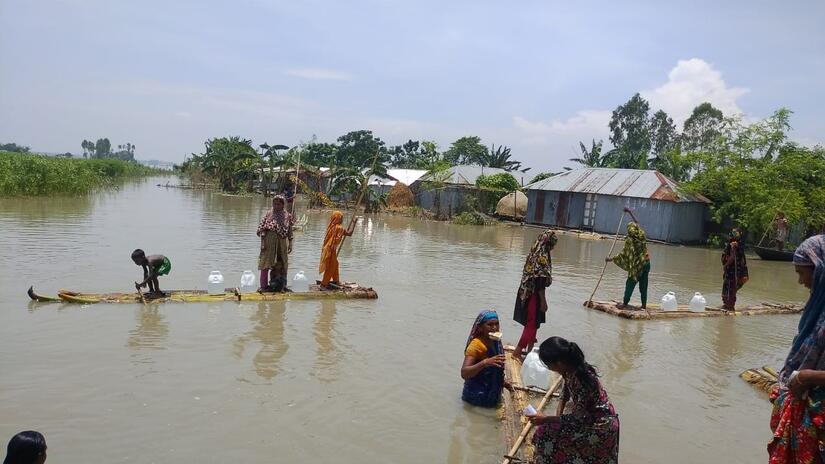
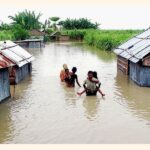
Like every year, this year, floods have taken many lives and assets of those rural area people. This has happened for the 2nd time in the current year. Feni, Noakhali, and Laxmipur are underwater now.
While writing this blog, Kurigram was threatened by this situation. Many teams like SPAR work day and night to escape this situation. Hopefully, Bangladesh will overcome this situation. We could make this possible now, but what about the future?
What Can Be Done To Prevent Future Floods?
To prevent future floods, improve drainage systems, build stronger riverbanks, plant more trees, and create better warning systems. Managing water flow with dams and reservoirs also helps. Educating people on flood risks and preparation is essential.
Now, let’s go deeper to learn the process below.
Understanding The Causes Of Floods
Before diving into the preventive measures, it’s essential to understand the primary causes of floods. Floods can be triggered by various factors, including:
- Heavy Rainfall: Prolonged or intense rainfall can overwhelm drainage systems, rivers, and dams, leading to flooding.
- River Overflow: When rivers receive more water than they can hold, they overflow, causing floods in surrounding areas.
- Coastal Storms And Hurricanes: Storm surges and hurricanes can cause coastal flooding, particularly in low-lying areas.
- Deforestation: The removal of trees reduces the land’s ability to absorb water, increasing the risk of floods.
- Urbanization: The construction of buildings, roads, and other infrastructure reduces the natural absorption of water by the soil, leading to increased runoff and potential flooding.
Effective Strategies To Prevent Floods
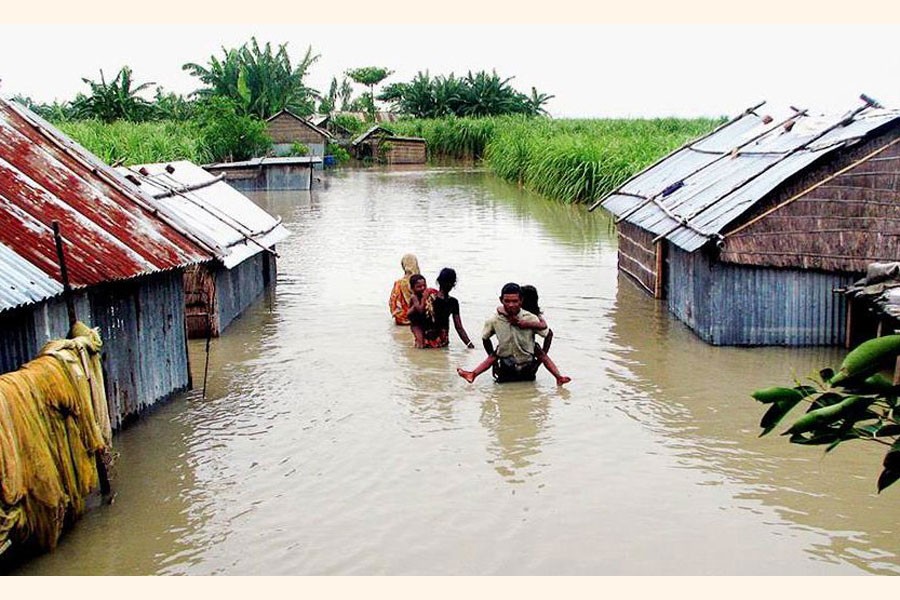
We can implement several strategies and plans. However, to protect them in the future, a huge budget is needed. SPAR has taken action and is working on making this happen.
Improving Urban Planning And Infrastructure
Urbanization is a significant contributor to flooding, especially in cities where natural water absorption is limited. To prevent future floods, urban planning should include:
- Sustainable Drainage Systems: Cities should invest in sustainable drainage systems that mimic natural processes, such as green roofs, permeable pavements, and rain gardens. These systems allow rainwater to infiltrate the ground, reducing surface runoff and the risk of flooding.
- Flood-Resistant Buildings: New constructions should be designed to withstand floods. This includes raising buildings above potential flood levels, using flood-resistant materials, and ensuring proper drainage around buildings.
- Expansion Of Green Spaces: Increasing the number of parks, gardens, and other green spaces in urban areas can help absorb rainwater and reduce runoff. Green spaces also provide a buffer against flooding by slowing down the flow of water.
Reforestation And Afforestation
Forests play a crucial role in preventing floods by absorbing rainwater and reducing surface runoff. Deforestation, on the other hand, can lead to soil erosion and increased flooding. To mitigate this, we must:
Reforest Degraded Areas: Planting trees in deforested or degraded areas can help restore the natural water cycle, reduce erosion, and decrease the risk of floods.
Promote Afforestation: Afforestation involves planting trees in areas that were not previously forested. This not only prevents floods but also combats climate change by absorbing carbon dioxide.
River Management
Rivers are often the primary sources of floods, especially when they overflow. Effective river management can help prevent this:
- Building Levees And Dams: Levees and dams can control the flow of water and prevent rivers from overflowing. However, they must be well-maintained to ensure they do not fail during extreme weather events.
- River Channelization: This involves modifying the course of a river to direct water flow more efficiently. Channelization can reduce the risk of flooding in vulnerable areas
- Regular Dredging: Dredging involves removing sediment and debris from riverbeds, which can increase the river’s capacity to hold water and reduce the likelihood of overflowing.
Enhancing Early Warning Systems
While it may not prevent floods from occurring, an effective early warning system can significantly reduce the damage caused by floods. Early warning systems should include:
- Weather Monitoring: Advanced meteorological systems can predict heavy rainfall and potential flooding. This information should be communicated promptly to the public.
- Flood Alerts: Authorities should issue flood alerts to communities at risk, giving them enough time to evacuate or take preventive measures.
- Community Education: Educating communities about flood risks and emergency procedures can save lives. This includes teaching people how to respond to flood warnings and prepare for potential evacuations.
Adopting Sustainable Agricultural Practices
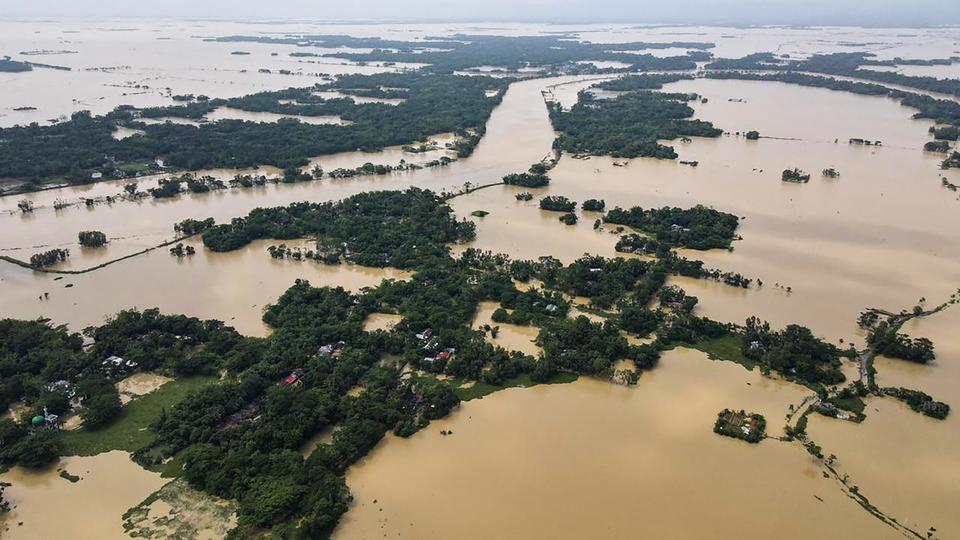
Agriculture, particularly in flood-prone areas, can contribute to or mitigate the risk of floods. Sustainable agricultural practices can help reduce this risk:
- Contour Farming: This involves plowing along the contours of the land, which helps reduce runoff and soil erosion, thereby decreasing the risk of floods.
- Agroforestry: Integrating trees and shrubs into agricultural lands can enhance water absorption, reduce runoff, and improve soil stability.
- Wetland Restoration: Wetlands act as natural sponges, absorbing excess water during heavy rainfall. Restoring and protecting wetlands can significantly reduce the risk of floods.
Climate Change Mitigation
Climate change is exacerbating the frequency and intensity of floods worldwide. Addressing the root cause of climate change can help prevent future floods:
- Reducing Greenhouse Gas Emissions: Governments, businesses, and individuals must work together to reduce greenhouse gas emissions by adopting renewable energy, increasing energy efficiency, and reducing deforestation.
- Promoting Climate-Resilient Infrastructure: Infrastructure projects should be designed with future climate scenarios in mind. This includes building higher and stronger levees, designing flood-resistant buildings, and expanding green spaces in urban areas.
- Supporting Global Climate Initiatives: International cooperation is essential in combating climate change. Supporting global initiatives like the Paris Agreement can help limit global warming and reduce the risk of climate-related floods.
Community-Based Flood Management
Communities play a vital role in preventing and managing floods. Local initiatives can be effective in reducing flood risks:
- Community Flood Plans: Communities in flood-prone areas should develop and regularly update flood management plans. These plans should include evacuation routes, emergency shelters, and communication strategies.
- Local Flood Defense Projects: Community-led projects, such as building small levees, planting trees, and creating rain gardens, can help reduce local flood risks.
- Community Awareness Programs: Educating communities about flood risks, prevention measures, and emergency response can empower them to take proactive steps in flood prevention.
International Cooperation
Floods are not confined by borders, and international cooperation is essential in preventing transboundary floods:
- Shared River Basin Management: Countries sharing river basins should collaborate on water management strategies, including flood control, water allocation, and environmental protection.
- International Aid And Support: Developed countries should support developing nations in building flood-resistant infrastructure, enhancing early warning systems, and adopting sustainable practices.
- Global Research and Innovation: Sharing research, technology, and best practices across borders can help all countries better prepare for and prevent floods.
The Role Of Individuals In Preventing Floods
While governments and organizations play a significant role in flood prevention, individuals also have a part to play:
- Responsible Water Use: Conserving water and reducing runoff from homes and gardens can help prevent local flooding. This includes using rain barrels, planting water-absorbing vegetation, and avoiding excessive paving.
- Community Involvement: Joining or supporting local environmental groups that focus on flood prevention can make a difference. Volunteering for tree planting, wetland restoration, and other flood prevention activities can have a lasting impact.
- Advocacy: Individuals can advocate for stronger flood prevention policies and practices at the local, national, and international levels. This includes supporting legislation that promotes sustainable urban planning, climate change mitigation, and environmental protection.
FAQ
How Can Planting Trees Help Prevent Floods?
Planting trees helps absorb rainwater and reduce soil erosion. The roots hold the soil together, preventing it from washing away, which reduces the risk of flooding.
Can Better Drainage Systems Stop Floods?
Yes, better drainage systems can direct excess water away from homes and streets, reducing the chance of flooding. Proper maintenance is also important to keep these systems working effectively.
What Role Do Dams Play In Flood Prevention?
Dams control the flow of water in rivers. By storing water during heavy rains, they help prevent rivers from overflowing and causing floods downstream.
How Does Protecting Wetlands Help With Flood Prevention?
Wetlands act like natural sponges, absorbing and storing excess rainwater. Protecting these areas can reduce the risk of flooding in nearby communities.
Is Early Warning Important In Preventing Flood Damage?
Yes, early warning systems can save lives and property by giving people time to evacuate or protect their homes before a flood happens. This reduces the overall impact of the flood.
Conclusion
Preventing future floods requires a multifaceted approach that involves governments, communities, and individuals.
By improving urban planning, restoring natural landscapes, managing rivers effectively, enhancing early warning systems, adopting sustainable agricultural practices, mitigating climate change, fostering community-based management, and encouraging international cooperation, we can reduce the risk of floods and protect lives and property.


 Secure
donation
Secure
donation