

What Are The Diseases Caused By Floods in Bangladesh? Save Lives With Medical Aid
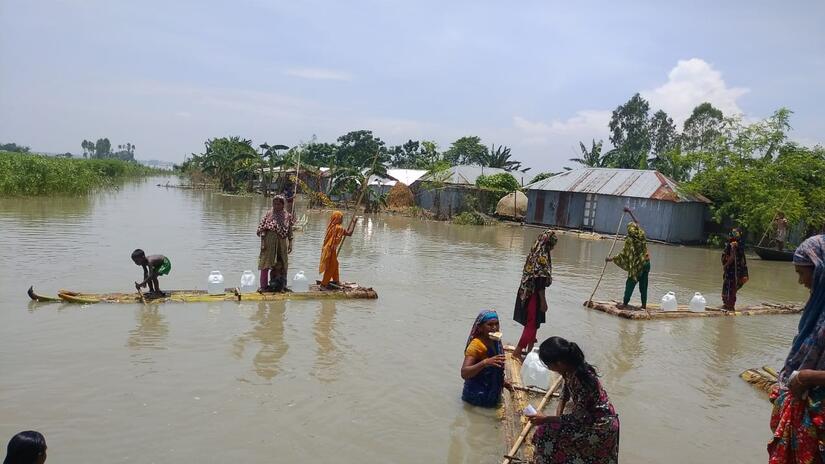
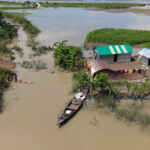
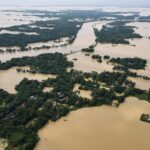
Floods are a common problem in Bangladesh, especially during the monsoon season. This year, floods damaged homes, roads, crops, and lives for the second time in Bangladesh.
Flood water can mix with sewage, chemicals, and other harmful substances when it covers large areas.
This dirty water becomes a big source of diseases. Let’s talk about the diseases that are commonly caused by floods in Bangladesh and how they can affect people.
What Are The Diseases People Faces During Flood?
Floods can bring serious health risks, exposing people to diseases like cholera, dengue, and respiratory infections. Contaminated water and unsanitary conditions during floods make it easier for these illnesses to spread, putting communities at great risk.
Diarrhea
Diarrhea is one of the most common diseases that occur during and after floods. The floodwater often gets contaminated with bacteria, viruses, and parasites from human and animal waste.
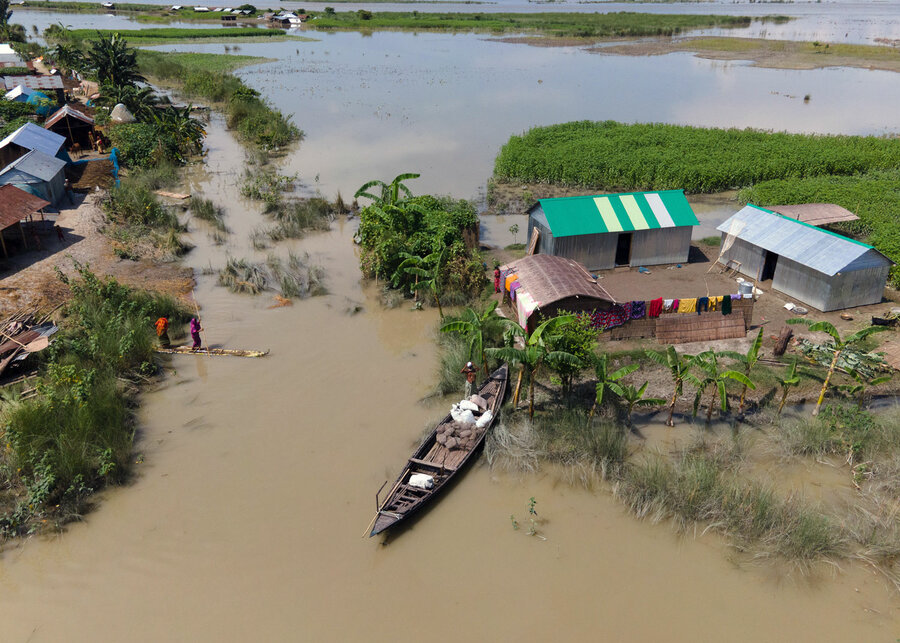
When people drink this dirty water or eat food that has come in contact with it, they can get sick with diarrhea.
- Symptoms: Frequent loose or watery stools, stomach cramps, and dehydration.
- Prevention: Drinking clean, boiled, or treated water and eating properly cooked food.
Cholera
Cholera is a severe form of diarrhea caused by bacteria called Vibrio cholerae. It spreads quickly in areas with poor sanitation, which is often the case during floods.
- Symptoms: Severe watery diarrhea, vomiting, and leg cramps, which can lead to dehydration and shock.
- Prevention: Use of safe drinking water, proper sanitation, and quick medical treatment if symptoms appear.
Typhoid Fever
Typhoid fever is caused by the Salmonella typhi bacteria. Floods can spread this bacteria through contaminated water and food.
- Symptoms: High fever, stomach pains, headache, and weakness.
- Prevention: Drinking safe water, eating hygienic food, and getting vaccinations can help prevent typhoid.
Hepatitis A
Hepatitis A is a liver disease caused by the hepatitis A virus. It spreads when people consume food or water contaminated with the feces of an infected person. During floods, the risk of hepatitis A increases due to poor hygiene and sanitation.
- Symptoms: Fever, fatigue, nausea, abdominal pain, and jaundice (yellowing of the skin and eyes).
- Prevention: Vaccination, good hygiene practices, and safe drinking water.
Leptospirosis
Leptospirosis is caused by bacteria from the Leptospira family, which can be found in the urine of infected animals. During floods, people can get this disease if they wade through contaminated water.
- Symptoms: High fever, headache, muscle aches, vomiting, and in severe cases, kidney damage or liver failure.
- Prevention: Avoiding contact with floodwater, wearing protective clothing, and keeping wounds covered.
Malaria
Floods create pools of stagnant water, which are perfect breeding grounds for mosquitoes. Malaria is caused by parasites that are transmitted to people through the bites of infected mosquitoes.
- Symptoms: High fever, chills, sweating, headache, and body aches.
- Prevention: Using mosquito nets, insect repellents, and eliminating stagnant water where mosquitoes can breed.
Dengue Fever
Dengue fever is another mosquito-borne disease that becomes more common during floods. The Aedes mosquito, which spreads dengue, breeds in standing water.
- Symptoms: High fever, severe headache, pain behind the eyes, joint and muscle pain, rash, and bleeding.
- Prevention: Preventing mosquito bites by using nets, repellents, and keeping the environment clean to stop mosquito breeding.
Skin Infections
When people wade through floodwater or stay in damp conditions for long periods, they are at risk of skin infections. Bacteria and fungi in the floodwater can enter through cuts or scrapes.
- Symptoms: Redness, swelling, pain, or pus in the affected area.
- Prevention: Keeping the skin dry, clean, and covering any cuts or wounds.
Respiratory Infections
Floods often lead to overcrowded shelters with poor ventilation, increasing the risk of respiratory infections like pneumonia and bronchitis. Damp and moldy conditions can also cause these infections.
- Symptoms: Cough, fever, chest pain, and difficulty breathing.
- Prevention: Maintaining good hygiene, keeping shelters clean, and ensuring proper ventilation.
Why Should You Donate to SPAR?
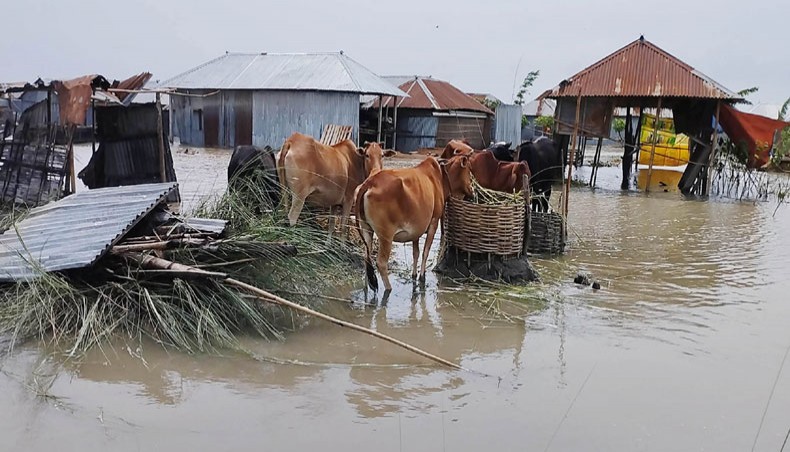
SPAR is working tirelessly to support those people from rural areas, especially during this Autust flood. When floods hit Bangladesh, many people lose their homes, belongings, and even loved ones.
They face a lack of food, clean water, and medical care. SPAR steps in to provide essential relief and support to these communities.
Here are some important reasons why you should consider donating to SPAR:
Saving Lives
Your donation helps SPAR provide life-saving aid to flood victims. This includes emergency supplies like food, clean water, and medicines. By supporting SPAR, you are helping to save lives and reduce the suffering of people affected by floods.
Providing Clean Water
One of the biggest challenges during floods is access to clean water. SPAR works to ensure that people have safe drinking water, which is essential to prevent waterborne diseases like cholera and diarrhea. Your donation can help provide clean water to those in need.
Supporting Health Care
Floods can overwhelm local health services, making it hard for people to get the care they need. SPAR helps set up temporary health clinics and provides medical supplies and staff to treat diseases that spread during floods. By donating, you help keep these critical services running.
Rebuilding Communities
After the floodwaters recede, the real work begins. People need help rebuilding their homes, schools, and lives. SPAR helps communities recover by providing building materials, tools, and training. Your donation supports long-term recovery efforts that help people get back on their feet.
Empowering Women And Children
Women and children are often the most vulnerable during floods. SPAR focuses on providing them with special support, such as safe shelters, education, and health care. By donating, you help protect and empower these vulnerable groups.
Transparency And Trust
When you donate to SPAR, you can trust that your money is being used wisely. SPAR is known for its transparency and accountability, ensuring that donations go directly to those who need them most.
You can feel confident that your contribution is making a real difference.
Building A Better Future
Floods are not just a short-term problem; they have long-lasting effects on communities. SPAR works not only to provide immediate relief but also to build resilience against future disasters.
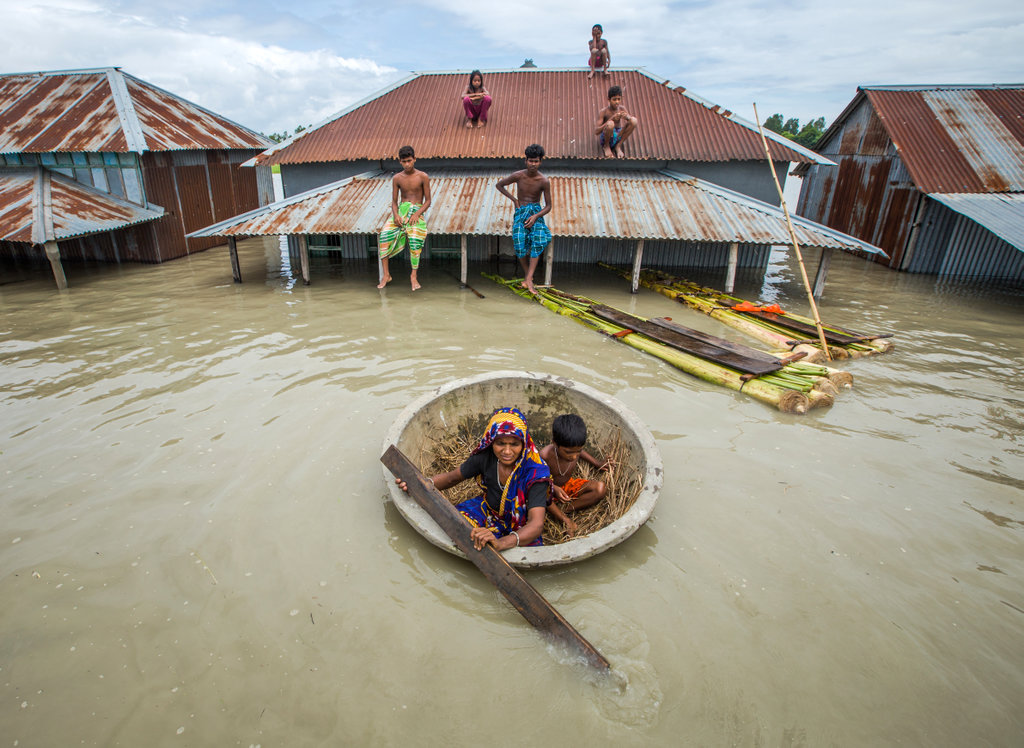
Your donation helps create stronger, more prepared communities that can withstand the challenges of tomorrow.
FAQ
What Are The Most Common Diseases Caused By Floods?
Floods often lead to outbreaks of diseases like cholera, diarrhea, typhoid, hepatitis A, and leptospirosis. These are mainly waterborne illnesses that occur due to contaminated drinking water.
How Does Flooding Cause Waterborne Diseases?
Flooding can contaminate water sources with sewage, chemicals, and waste, making it unsafe for drinking or cooking. Consuming this polluted water can result in infections like cholera, diarrhea, and typhoid.
Can Floods Increase The Spread Of Mosquito-Borne Diseases?
Yes, floods can create stagnant water, which serves as breeding grounds for mosquitoes. This can lead to an increase in diseases like malaria, dengue fever, and chikungunya.
Why Are Respiratory Infections Common After Floods?
After floods, damp environments and overcrowded shelters can trigger the spread of respiratory infections, including colds, flu, and pneumonia. Mold growth in flooded homes can also worsen respiratory issues.
What Steps Can Be Taken To Prevent Flood Related Diseases?
To prevent diseases, it’s important to ensure access to clean drinking water, avoid contact with contaminated floodwater, use mosquito nets, and maintain good hygiene. Getting vaccinated, especially for hepatitis A and typhoid, can also help prevent infections.
Conclusion
Floods in Bangladesh cause physical destruction and a host of dangerous diseases. These health problems can be severe, but with proper care, many are preventable. Organizations like SPAR play a crucial role in providing the necessary support during these difficult times.
By donating to SPAR, you are not just giving money; you are giving hope, health, and a chance for a better future to those who need it most.

 Secure
donation
Secure
donation