

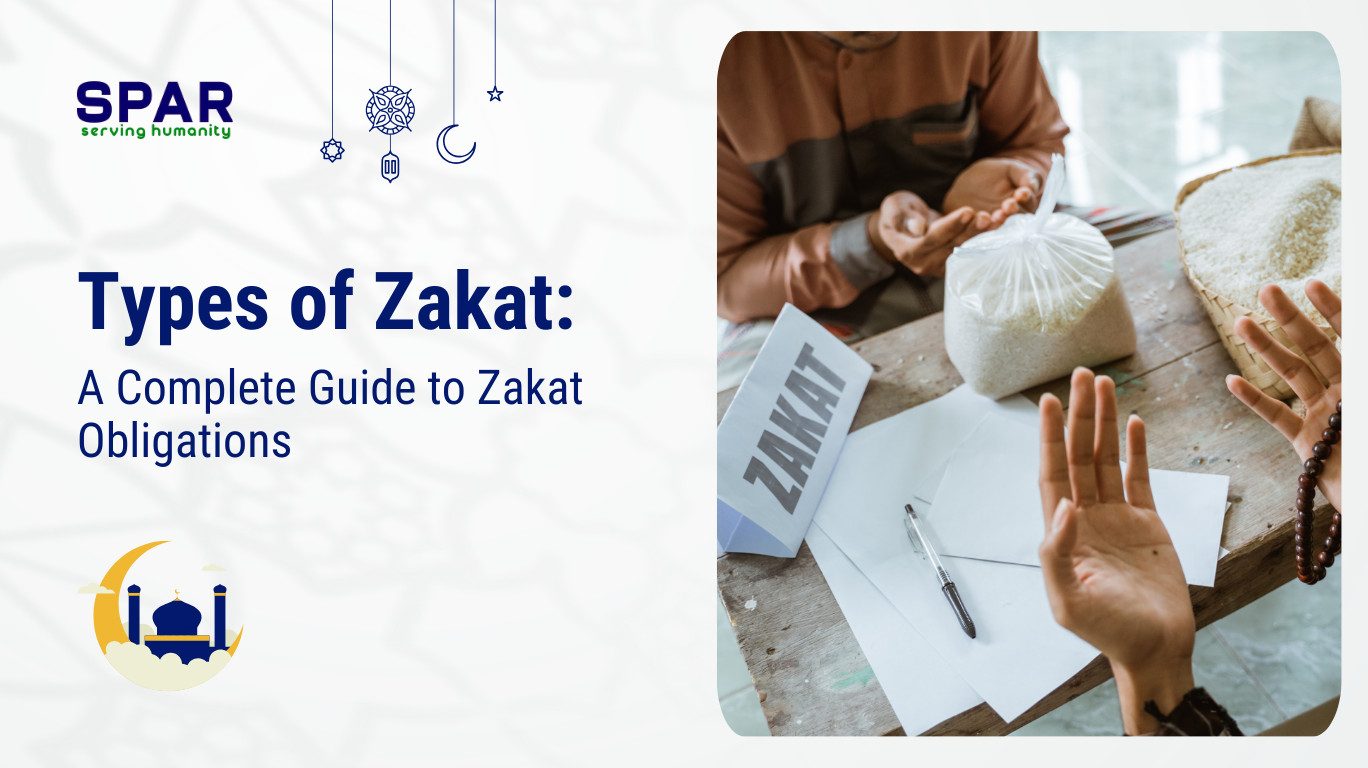
Types of Zakat: A Simple Guide to Understanding Zakat
Zakat is a key part of Islam. The practice is a means of giving charity to those less fortunate and cleansing their wealth. For those who qualify, Zakat is obligatory for individuals above a certain wealth threshold known as Nisab. There are many forms of zakat that Muslims have to express based on their wealth. This article will clarify each type so you can discern how and when to give zakat. Learn the types of Zakat and how to calculate the different types of savings, income, and livestock to fulfill your obligations as a Muslim
What is Zakat?
Zakat is a compulsory charity imposed on every Muslim. It is one of the Five Pillars of Islam, the central rituals that all Muslims adhere to. The zakat is intended to purify wealth and assist those in need. Muslims must donate a percentage of their savings to the poor and needy, typically 2.5% of their total savings. It also reduces inequality and helps the disadvantaged.
Zakat can be given to several types of wealth, including cash, gold and silver, and even agricultural products. To give zakat, a person must possess wealth above a certain level, known as Nishab. This system ensures that zakat is only paid by those who can afford it.
Why is Zakat Important?
There are two essential reasons why Zakat is important. First and foremost, it assists the struggling. By paying zakat, Muslims help people of less privilege to gain basic needs: food, shelter, and clothing.
Secondly, zakat purifies the wealth of a Muslim. This is how they express thanks for what Allah has bestowed upon them. Zakat purifies the soul from greed and selfishness, too. By helping others, Muslims learn humility, generosity, and kindness toward the needy.
Types of Zakat
Zakat is not a universal obligation. There are several types based on the wealth you own. Let’s discuss the basic types of zakat, which are mandatory for Muslims to pay.
Zakat al-Mal (Zakat on Wealth)
Zakat al-Mal is the most common type of zakat. It applies to a Muslim’s wealth, including savings, investments, and property. To qualify, this wealth must be above the Nisab threshold and held for a full lunar year.
Types of wealth included:
- Cash and savings
- Gold and silver
- Stocks and bonds
- Business assets
- Real estate (for investment purposes)
Zakat al-Mal is typically calculated at 2.5% of the total wealth, excluding debts.
Zakat al-Fitr (Fitrana)
Zakat al-Fitr, also called Fitrana, is a unique form of zakat that must be paid at the end of Ramadan, just before the Eid al-Fitr prayer. This zakat is meant to purify the fast and help the poor celebrate Eid.
The amount of Zakat al-Fitr is fixed, usually equal to the cost of a meal. Regardless of their wealth, every Muslim should give Zakat al-Fitr for themselves and their dependents.
Zakat on Gold and Silver
If you own gold or silver and it meets the Nisab threshold, you must pay zakat for it. The zakat rate is 2.5% of the total value of your gold or silver.
Assets included:
- Gold jewelry
- Silver coins or bars
- Any other form of gold or silver used as wealth
This approach ensures that the wealth stored in gold and silver is shared with those who need it.
Zakat on Business Goods
Business owners must pay zakat for their goods if they sell them. This category includes items intended for trade or resale. Zakat is calculated at 2.5% of the value of these goods.
Business goods include:
- Products for sale
- Raw materials used in production
- Inventory and stock
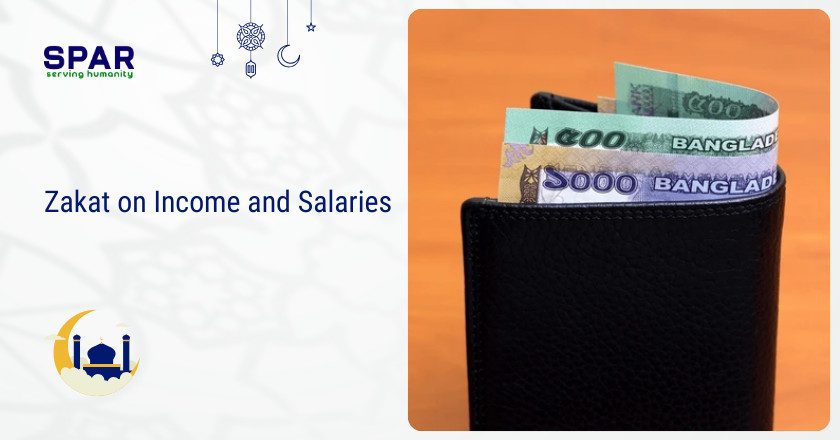
Zakat on Income and Salaries
Zakat also applies to income and salaries. If a Muslim’s salary or earnings exceed the Nisab threshold, they must pay zakat on it. The rate for zakat based on income is 2.5%.
Eligible income sources:
- Salaries
- Business profits
- Freelance work
- Investments
Zakat on Agricultural Produce
Muslims who own farmland must pay zakat for the crops they grow. The rate of zakat on agricultural produce depends on how the crops are irrigated.
- Natural irrigation (e.g., rainwater): 10%
- Artificial irrigation (e.g., machinery or pumps): 5%
Types of agricultural produce include:
- Grains (wheat, barley, etc.)
- Fruits and vegetables
- Olives, dates, and other crops
Zakat on Livestock
If a Muslim owns livestock, such as camels, cows, or sheep, they must pay zakat on these animals if they meet the Nisab threshold. The amount of zakat depends on the type and number of animals.
Livestock zakat:
- Camels: 1 camel for every 5-9 camels
- Cattle: 1 cow for every 30-39 cows
- Sheep and goats: 1 sheep per 40–120 sheep
(2.5%) based on the available wealth.
Distribute zakat: Give your zakat to eligible recipients, such as the poor or those in debt.
How Zakat Helps the Community
Zakat is not only a way to purify one’s wealth but also a tool for social justice. By paying zakat, Muslims help alleviate poverty and inequality. This practice ensures that the needy will find help—assistance with food, housing, education, and healthcare.
Zakat also becomes a bonding force and promotes unity and compassion among Muslims. It teaches Muslims to be compassionate toward one another and to work together to improve society.
Final Thoughts on Types of Zakat
To fulfill your religious duties, it is essential to understand the types of zakat. Every kind of zakat has its requirements, so it’s necessary to calculate it correctly. Through giving zakat, you cleanse your wealth while aiding those in need, thus contributing to establishing a just, merciful society.
Never forget: zakat is never only about giving money—it is also about giving others aid, sharing your blessings, and working towards a better world.
How much is the zakat nisab?
Nisab in Zakat Laws The Nisab is the minimum wealth value you need for Zakat. That’s equivalent to 85 grams of gold or 595 grams of silver.
Can I pay Zakat for my salary?
If your salary exceeds the Nisab threshold, you must give it a zakat.
What are the differences between zakat al-Fitr and zakat al-Mal?
Unlike Zakat al-Mal, which is calculated based on your accumulated wealth for a year, Zakat al-Fitr is a fixed charity that is paid at the end of fasting during the month of Ramadan.
Do I have to pay zakat for Muamalat items?
No, there is no zakat on those personal items, such as clothing or household goods.
Can I give zakat to my family members?
You can give zakat to family members and relatives in need but not to immediate family members who are directly dependent on you, such as your children or spouse.

 Secure
donation
Secure
donation