


The Rewards of Hajj | Understanding the Blessings of the Sacred Pilgrimage
Hajj, one of the five pillars of Islam, is a special journey that every Muslim dreams of making at least once in their lifetime if they are physically and financially able. This sacred pilgrimage to the holy city of Mecca in Saudi Arabia brings Muslims closer to Allah (SWT) and helps them purify their hearts and souls. The rewards of performing Hajj are immense, both in this life and the next.
In this blog, we will explore the rewards of Hajj in simple terms, focusing on how this blessed journey can change your life for the better.
Complete Forgiveness Of Sins
One of the most significant rewards of Hajj is the complete forgiveness of all past sins. When a person performs Hajj with sincere intentions and follows all the rituals correctly, they return home as if they were just born—pure and free of sins. The Prophet Muhammad (PBUH) said:
“Whoever performs Hajj and does not commit any obscenity or transgression will return as free from sins as he was on the day his mother gave birth to him.” (Sahih Al-Bukhari)
This means that after Hajj, a person has a fresh start, and all the mistakes they made in the past are erased by the mercy of Allah (SWT).
Hajj Is A Path To Paradise
Hajj opens the gates to Jannah (Paradise). It is a way to earn Allah’s (SWT) pleasure and secure a place in the Hereafter. The Prophet Muhammad (PBUH) said:
“The reward for an accepted Hajj is nothing less than Paradise.” (Sahih Al-Bukhari)
This hadith emphasizes that those who perform Hajj with sincerity and devotion can hope for the ultimate reward—entry into Paradise. The journey itself tests the patience, humility, and faith of the pilgrim, all of which are traits that Allah (SWT) loves.
Strengthening Of Faith And Patience
Hajj is not an easy journey. It requires physical effort, mental strength, and a lot of patience. Pilgrims face challenges like long walks, crowded places, and the heat of the desert. However, these difficulties serve as a reminder that life itself is full of tests, and enduring them with faith brings immense rewards.
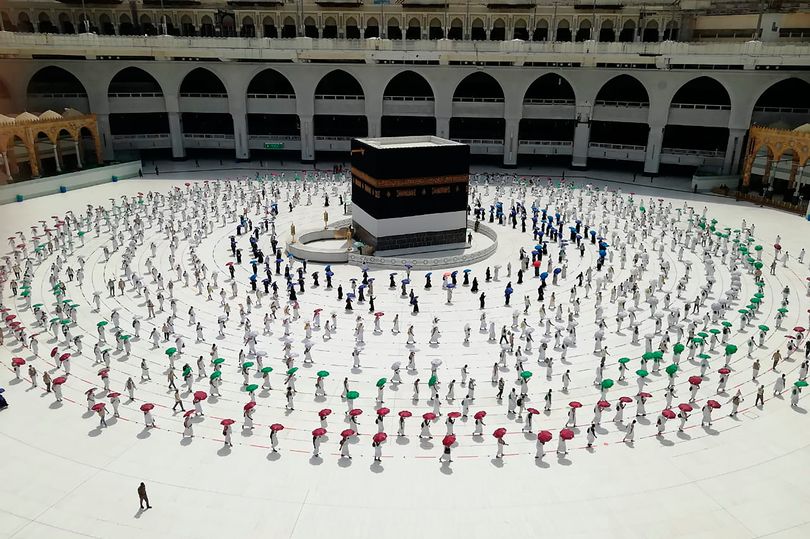
The hardships faced during Hajj teach patience, resilience, and reliance on Allah (SWT). By the end of the pilgrimage, many Muslims feel spiritually stronger and more connected to their faith. These qualities help in daily life, making it easier to face challenges and stay on the right path.
A Chance For Personal Reflection And Growth
Hajj provides a unique opportunity for deep reflection. During the pilgrimage, Muslims disconnect from their daily lives, leaving behind work, family responsibilities, and worldly distractions. This time away allows for introspection and soul-searching.
Pilgrims often use this time to reflect on their past, seek forgiveness for their mistakes, and make sincere resolutions to become better Muslims. This personal growth is a valuable reward, as it helps a person improve their character, strengthen their relationship with Allah (SWT), and live a more meaningful and purposeful life.
Unity And Brotherhood
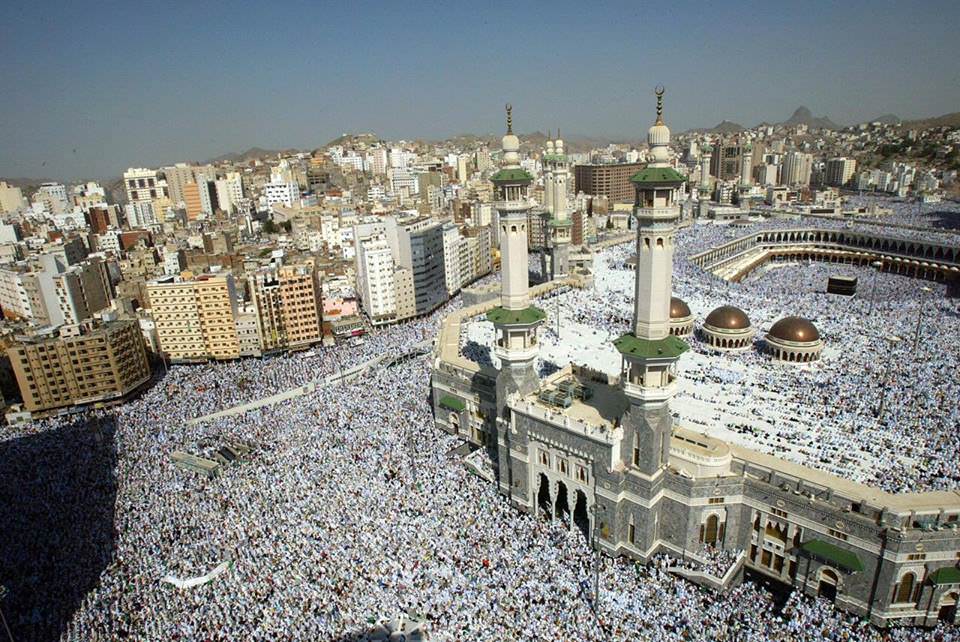
Hajj is a powerful symbol of unity in the Muslim Ummah (community). Pilgrims from all over the world gather in Mecca, regardless of their race, nationality, social status, or wealth. Everyone wears simple white clothing (Ihram), showing that in the eyes of Allah (SWT), all people are equal.
This sense of unity and brotherhood is a beautiful reward of Hajj. It reminds Muslims that they are part of a global community that worships the same God and shares the same values. The experience of standing shoulder to shoulder with millions of fellow Muslims in prayer fosters a deep sense of love and compassion for others.
Purification Of The Heart
Hajj is a journey of purification. The various rituals, such as the Tawaf (circling the Kaaba), Sa’i (walking between Safa and Marwah), and standing at Arafat, are designed to cleanse the heart and remove spiritual impurities. By performing these acts, pilgrims are reminded of their purpose in life—to worship Allah (SWT) and seek His mercy.
The purification that comes from Hajj brings inner peace and tranquility. A person who completes Hajj with a sincere heart often feels lighter, more at ease, and closer to Allah (SWT). This sense of peace is a priceless reward that lasts long after the pilgrimage is over.
Increase In Good Deeds
Hajj is an opportunity to accumulate countless good deeds. Every step taken, every prayer offered, and every good action performed during Hajj earns a Muslim rewards from Allah (SWT). The rewards are multiplied many times over in the holy land of Mecca.
Additionally, acts of kindness, charity, and helping others during Hajj also bring immense rewards. Pilgrims often go out of their way to assist their fellow Muslims, whether it’s offering food, water, or a helping hand. These small but meaningful actions are recorded by Allah (SWT) and contribute to the overall blessings of the pilgrimage.
Protection From Poverty
Many Muslims worry about the financial cost of Hajj, as it can be expensive. However, one of the rewards of Hajj is that it brings barakah (blessings) to a person’s wealth. The Prophet Muhammad (PBUH) said:
“Perform Hajj and Umrah consecutively, for they remove poverty and sin as a blacksmith’s bellows remove impurities from iron.” (Sunan Ibn Majah)
This hadith reassures Muslims that spending money on Hajj will not lead to financial hardship. In fact, Allah (SWT) promises to bless the wealth of those who undertake the pilgrimage and purify them of their sins. Many pilgrims find that after Hajj, they experience an increase in financial stability and prosperity.
Strengthening The Bond With Allah (Swt)
Hajj is a deeply spiritual journey that brings Muslims closer to their Creator. The rituals performed during Hajj, such as standing on the plain of Arafat and praying in front of the Kaaba, are powerful reminders of the greatness of Allah (SWT) and the blessings He has bestowed upon His creation.
The experience of Hajj helps strengthen a Muslim’s bond with Allah (SWT). By submitting to His will and performing the pilgrimage with humility, a person feels more connected to their faith and more aware of their dependence on Allah’s (SWT) mercy and guidance. This strengthened connection is one of the greatest rewards of Hajj, as it leads to a deeper and more fulfilling relationship with the Almighty.
Lasting Impact On Life After Hajj
The rewards of Hajj do not end when the pilgrimage is over. For many Muslims, the lessons and experiences of Hajj have a lasting impact on their lives. Pilgrims often return home with a renewed sense of purpose, a stronger commitment to their faith, and a desire to live in accordance with Islamic principles.
This positive change in character, behavior, and attitude is a valuable reward of Hajj. It not only benefits the individual but also has a ripple effect on their family, community, and society as a whole. A person who has completed Hajj often becomes more compassionate, generous, and mindful of their actions, contributing to a more harmonious and just world.
Conclusion
Hajj is a journey like no other. It is a physical, mental, and spiritual challenge that brings immense rewards to those undertaking it with sincerity and devotion. From the forgiveness of sins to the promise of Paradise, the rewards of Hajj are vast and life-changing. By purifying the heart, strengthening faith, and fostering unity, Hajj helps Muslims grow closer to Allah (SWT) and live better, more fulfilling lives. The blessings of Hajj continue long after the pilgrimage is over, making it one of the most rewarding acts of worship in Islam.


 Secure
donation
Secure
donation