

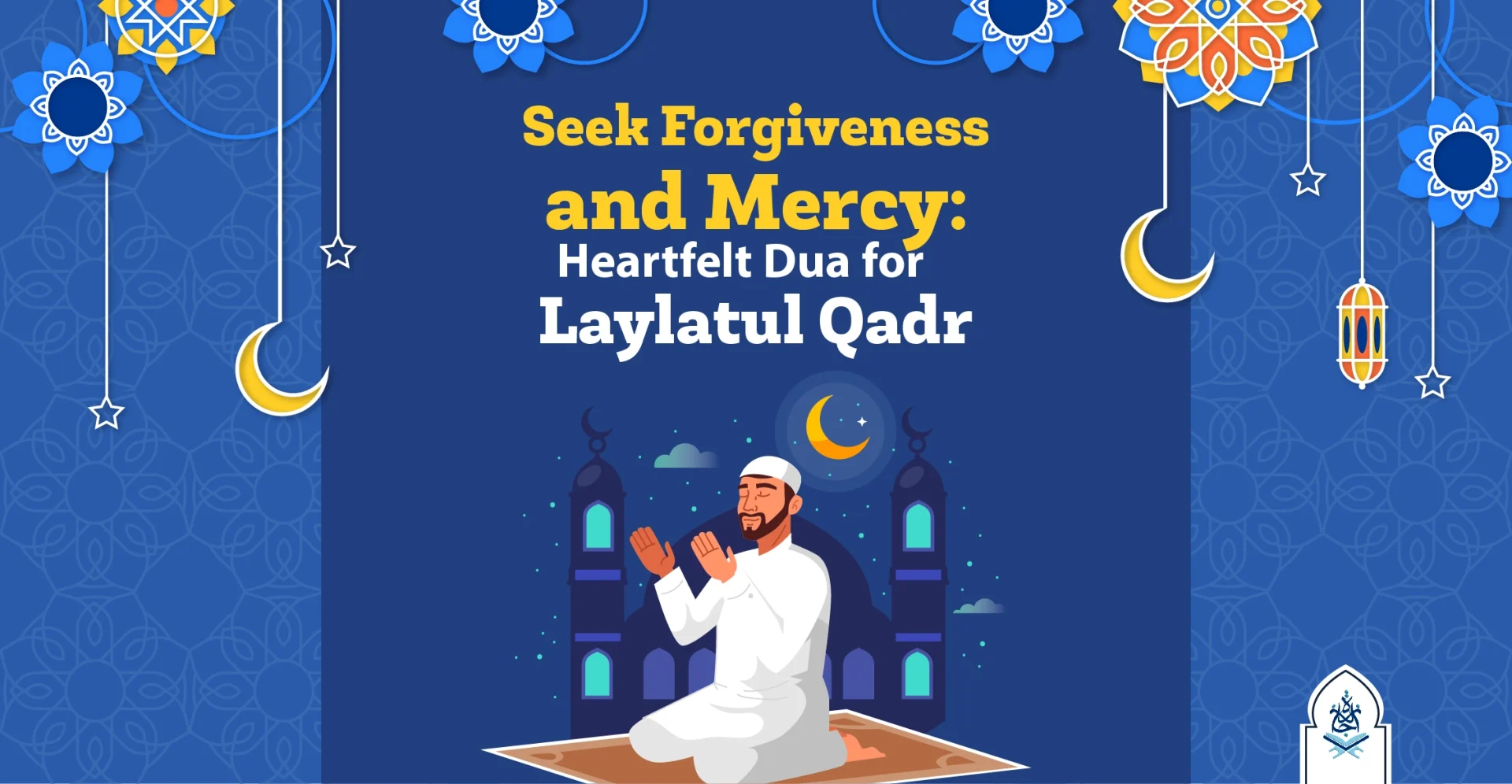
The Importance of Supplication on Laylatul Qadr: A Night of Power
Laylatul Qadr, or the “Night of Power,” holds a significant place in the heart of every Muslim. It is a night full of blessings and mercy, a night where prayers are heard, sins are forgiven, and good deeds are multiplied. Laylatul Qadr occurs during the last ten nights of Ramadan, but its exact date is unknown. Most scholars agree that it falls on one of the odd nights—21st, 23rd, 25th, 27th, or 29th of Ramadan.
What makes this night so special? In this blog, we’ll explore the meaning and importance of Laylatul Qadr and the power of supplication (dua) on this blessed night.
What Is Laylatul Qadr?
Laylatul Qadr is mentioned in the Quran in Surah Al-Qadr (97:1-5), where Allah says:
“Indeed, We sent the Qur’an down during the Night of Decree. And what can make you know what is the Night of Decree? The Night of Decree is better than a thousand months. The angels and the Spirit descend therein by permission of their Lord for every matter. Peace it is until the emergence of dawn.”
This verse tells us that Laylatul Qadr is better than a thousand months. Imagine—worship on this one night is equivalent to worship for over 83 years! It’s a night where the gates of heaven are open, and the angels descend, bringing peace and blessings. It is a time when Allah’s mercy is at its peak, and His forgiveness is abundant.
The night is not just about gaining rewards but also about drawing closer to Allah, seeking His guidance, and repenting for past mistakes. It’s an opportunity to make a new beginning.
The Power Of Supplication (Dua)
Supplication, or dua, is an essential part of Islamic worship. It is an intimate conversation with Allah where we ask for His help, guidance, forgiveness, and blessings. On Laylatul Qadr, making dua becomes even more important because this night is a direct gateway to Allah’s mercy.
The Prophet Muhammad (peace be upon him) encouraged us to seek Laylatul Qadr in the last ten nights of Ramadan and emphasized the power of dua during this time. In a well-known hadith, Aisha (may Allah be pleased with her) asked the Prophet:
“O Messenger of Allah, if I know which night is Laylatul Qadr, what should I say in it?”
The Prophet replied:
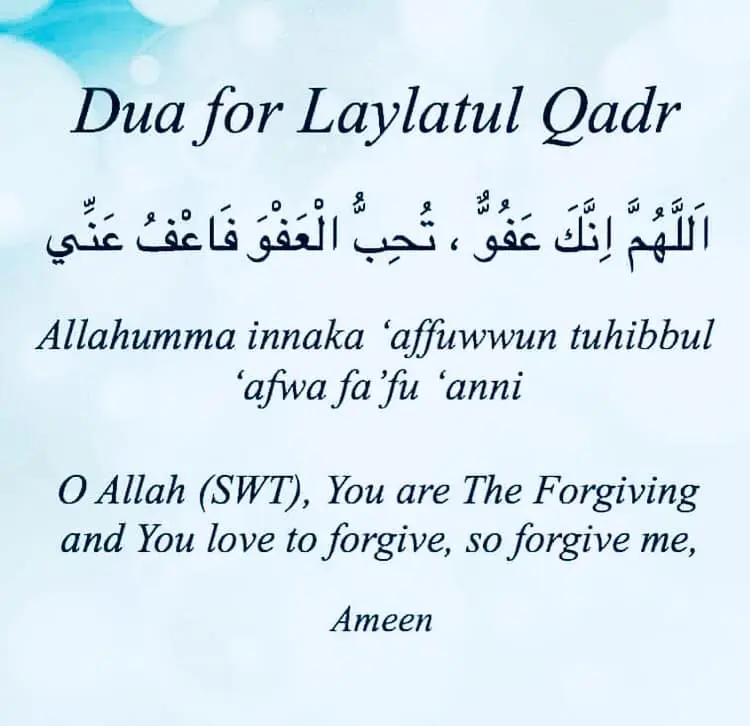
“Say: Allahumma innaka ‘afuwwun tuhibbul ‘afwa fa’fu ‘anni” “O Allah, You are Most Forgiving, and You love forgiveness, so forgive me.”
This beautiful and simple dua shows us the focus of Laylatul Qadr: seeking forgiveness and cleansing our hearts. While many of us may feel the need to make long and detailed supplications, this short dua encapsulates everything we need. It acknowledges Allah’s power and His love for forgiveness while asking for His mercy.
Why Is Dua So Important On Laylatul Qadr?
- Allah is Close to Us: Laylatul Qadr is a night when Allah is especially near to His creation. The Quran tells us that Allah says, “Call upon Me; I will respond to you” (Quran 40:60). This promise is even more powerful on Laylatul Qadr, as the blessings and mercy of the night are unmatched.
- Dua Changes Destiny: Dua has the power to change our destiny. The Prophet Muhammad (peace be upon him) said, “Nothing changes destiny except supplication” (Tirmidhi). On Laylatul Qadr, when the angels descend and matters of destiny are being decreed, our heartfelt duas can influence the course of our lives.
- Forgiveness of Sins: The most important reason to make dua on Laylatul Qadr is to ask for forgiveness. We are all in need of Allah’s mercy. The Prophet (peace be upon him) said, “Whoever stands (in prayer) during Laylatul Qadr out of faith and seeking reward, will have all of his previous sins forgiven” (Bukhari and Muslim). This shows that standing in prayer, making dua, and seeking forgiveness are acts that purify us and give us a fresh start.
- A Night of Reflection: Laylatul Qadr is also a time to reflect on our lives, our choices, and our relationship with Allah. Through dua, we can ask for guidance to make better decisions, to stay on the right path, and to strengthen our connection with our Creator.
How To Make The Most Of Laylatul Qadr Through Supplication
While no one knows the exact date of Laylatul Qadr, we are encouraged to seek it in the last ten nights of Ramadan, especially the odd nights. Here are a few ways to maximize this opportunity through supplication:
- Prepare Your Heart and Mind: Before making dua, take a moment to reflect on your life. Think about your relationship with Allah, your loved ones, and yourself. This reflection will help you make sincere and heartfelt duas.
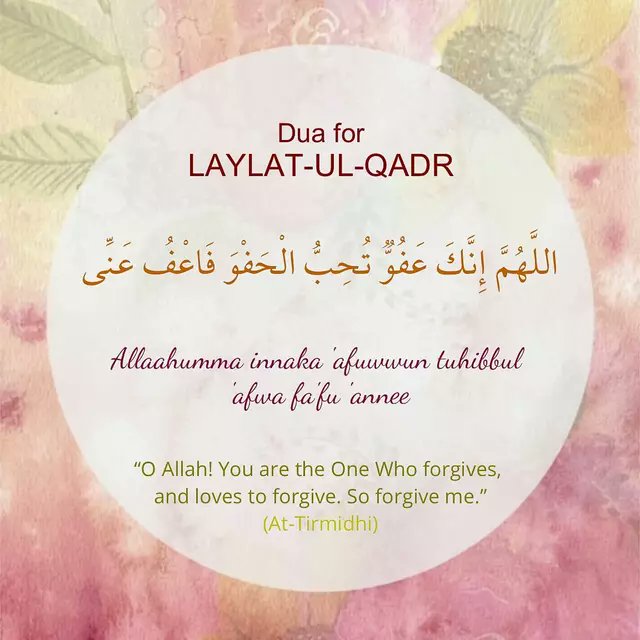
- Seek Forgiveness: As mentioned earlier, the best dua you can make on Laylatul Qadr is the one for forgiveness. Recite the dua taught by the Prophet:
“Allahumma innaka ‘afuwwun tuhibbul ‘afwa fa’fu ‘anni.”
- Be Specific in Your Requests: While asking for forgiveness is essential, Laylatul Qadr is also a time to ask for your personal needs. Be specific in your requests, whether it’s guidance in a difficult situation, health, happiness, or success. Remember that Allah loves hearing from us; nothing is too big or small to ask for.
- Pray for Others: In addition to asking for your needs, remember to make dua for others. Pray for your family, friends, and the entire Muslim Ummah. The Prophet (PBUH) said,
“No Muslim servant supplicates for his brother behind his back but that the angel says: And for you the same” (Muslim).
- Be Persistent: Don’t limit yourself to one dua. Spend time during the night making multiple supplications. Repeat your requests and ask with sincerity. Allah loves persistence, and He rewards those who continuously turn to Him in prayer.
- Have Faith: Finally, trust in Allah’s wisdom and timing. When making dua, have faith that Allah knows what is best for you and will respond in the way that is most beneficial. Sometimes the answer to our duas is delayed, or we may not receive exactly what we asked for. But know that Allah’s plan is always better than our own.
Conclusion
Laylatul Qadr is a night unlike any other. It is a night filled with mercy, blessings, and a chance for a fresh start. We can seek Allah’s forgiveness, ask for His guidance, and strengthen our relationship with Him through supplication. Dua on this night is an opportunity to change our destiny, improve our lives, and find peace in the mercy of Allah.
As we enter the last ten nights of Ramadan, let us remember the importance of seeking Laylatul Qadr and using this precious time for prayer, reflection, and supplication. Whether we make long, detailed prayers or simple duas like the one taught by the Prophet, what matters most is the sincerity in our hearts and our desire to draw closer to Allah.


 Secure
donation
Secure
donation