

The Ruling on Fasting in Islam | Understanding Obligations and Exceptions
Fasting is an important part of many religions, especially in Islam. It is one of the five pillars of Islam, making it a vital act of worship. In this blog, we will discuss the rulings on fasting in Islam. We will explain its importance, such as when fasting is required, who is exempt, and other important rules that Muslims need to follow while fasting.
What Is Fasting in Islam?
Fasting in Islam means to abstain from eating, drinking, and certain actions from dawn (Fajr) until sunset (Maghrib). Muslims fast during the holy month of Ramadan, which is the ninth month of the Islamic lunar calendar. During this month, fasting is a form of worship and a way to get closer to Allah (God).
Importance Of Fasting In Islam
Fasting during Ramadan is not just about avoiding food and drink; it is a spiritual practice. It helps Muslims develop self-control, patience, and empathy for those who are less fortunate. Fasting also purifies the body and soul, strengthens one’s faith, and teaches gratitude for the blessings that Allah has given.
The Qur’an mentions fasting as an obligation for Muslims:
“O you who have believed, decreed upon you is fasting as it was decreed upon those before you that you may become righteous.” (Surah Al-Baqarah 2:183)
This verse shows the significance of fasting as a way to increase one’s awareness and fear of Allah, which is known as taqwa.
When Is Fasting Obligatory?
Fasting is obligatory during Ramadan for every Muslim adult who is sane and capable of fasting. The following are the conditions for fasting to be obligatory:
- Being Muslim: Fasting is only required for Muslims.
- Being an Adult: Children are not required to fast until they reach puberty. However, some parents encourage their children to start fasting early so they can get used to it.
- Being Sane: A person must be mentally sound to be obligated to fast.
- Being Healthy: Those who are sick or have health conditions that make fasting harmful are not required to fast.
- Resident: A traveler has the option to delay fasting until they return home.
If someone meets these conditions, they must fast every day of Ramadan unless they have a valid reason not to.
Who Is Exempt From Fasting?
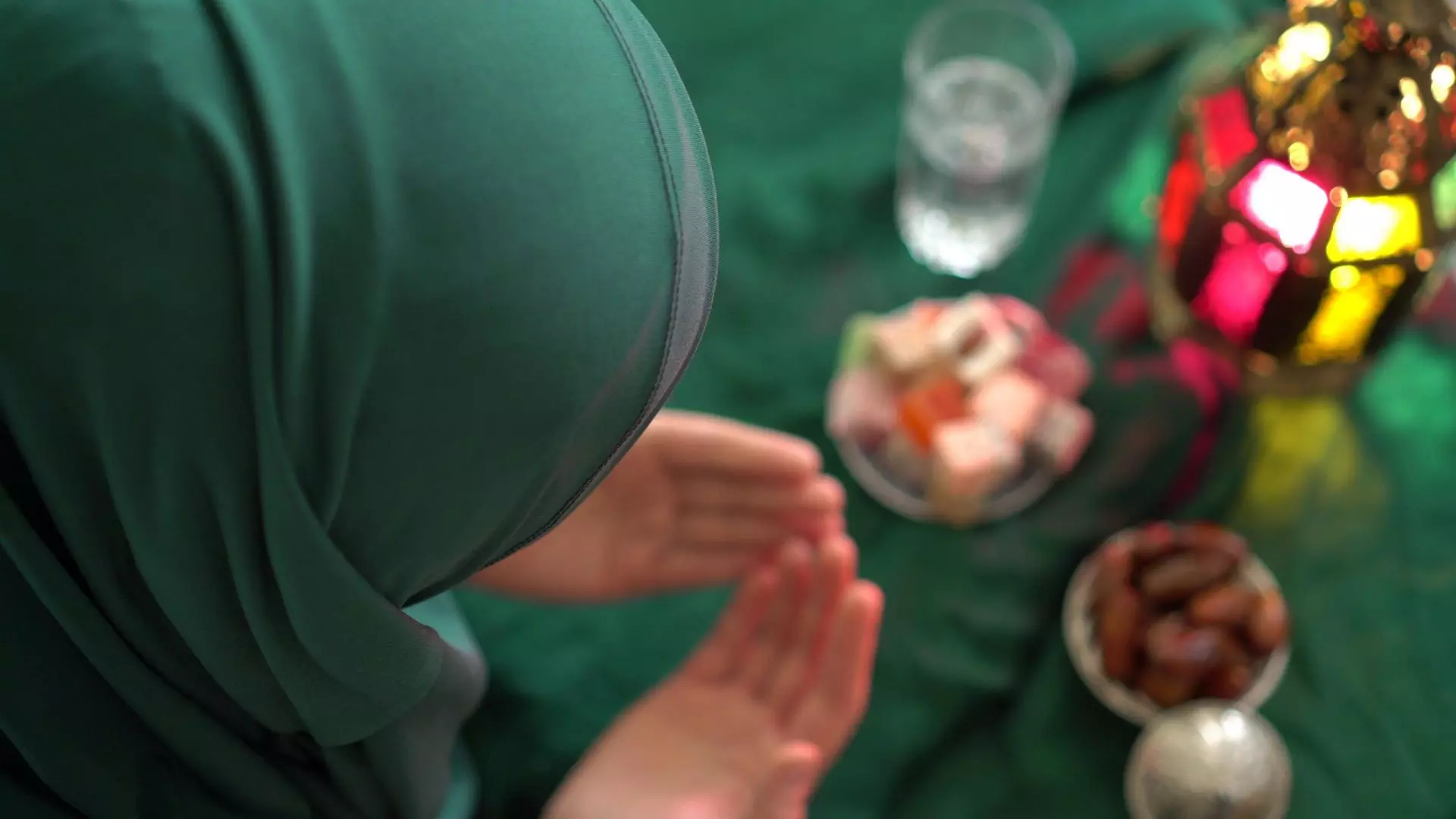
Islam is a religion of ease, and Allah does not place a burden on someone that they cannot bear. Certain groups of people are exempt from fasting or allowed to postpone their fast:
- Children: Fasting is not required for children who have not reached puberty.
- The Elderly: If fasting is too difficult for elderly people, they can feed a poor person instead of fasting each day.
- The Sick: If someone is ill and fasting could make their condition worse, they are allowed to break their fast and make it up later when they are healthy. If their illness is permanent, they can also feed a poor person for each day they miss.
- Pregnant and Breastfeeding Women: If a pregnant or breastfeeding woman fears harm for herself or her child, she is allowed to break her fast and make it up later.
- Travelers: A person who is traveling a long distance is allowed to delay their fast and make it up after returning home.
- Menstruating Women: Women who are on their period or experience post-childbirth bleeding are not required to fast. They must make up the missed fasts after Ramadan.
Acts That Invalidate Fasting
While fasting, there are certain actions that can break or invalidate the fast. If any of these actions are done intentionally, the fast is no longer valid:
- Eating or Drinking: Consuming any food or drink, no matter how small, will break the fast.
- Vomiting Intentionally: If someone deliberately makes themselves vomit, their fast is broken.
- Intercourse: Engaging in sexual relations during the fasting hours invalidates the fast. The person must make up the fast and offer a heavy penalty, called kaffarah.
- Menstruation or Postpartum Bleeding: If a woman starts her menstrual cycle or has postpartum bleeding during the day, her fast is automatically broken, and she must make up the missed fast later.
- Smoking: Smoking is also considered as breaking the fast.
If any of these acts happen unintentionally (e.g., someone eats or drinks by mistake), the fast is not broken, and the person can continue fasting for the rest of the day.
Acts That Do Not Break Fasting
There are certain actions that do not break the fast, even though they might seem like they do:
- Unintentional Eating or Drinking: If a person forgets they are fasting and eats or drinks something, their fast remains valid. Once they realize, they should stop immediately and continue fasting.
- Brushing Teeth: Using a toothbrush or miswak (a natural tooth-cleaning twig) is allowed while fasting, as long as one is careful not to swallow anything.
- Taking a Shower: Bathing or rinsing oneself to cool down is allowed, as long as no water is swallowed.
- Medical Injections: Injections that are not used for nourishment (like insulin or vaccines) do not break the fast.
Suhoor And Iftar
Suhoor is the pre-dawn meal Muslims eat before starting their fast. It is highly recommended to have suhoor as it gives strength for the day ahead. The Prophet Muhammad (PBUH) said:
“Eat suhoor, for in suhoor there is blessing.” (Bukhari and Muslim)
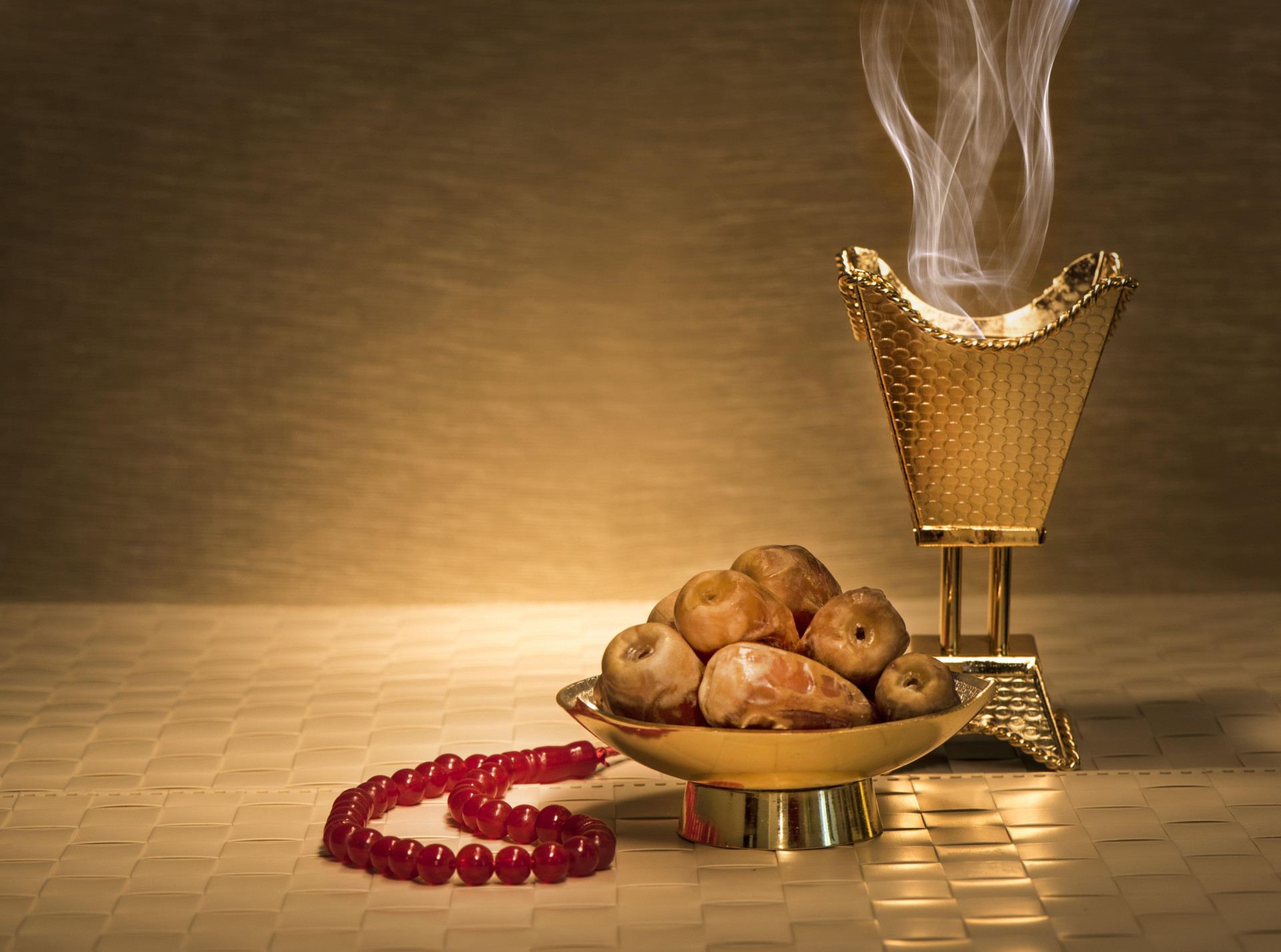
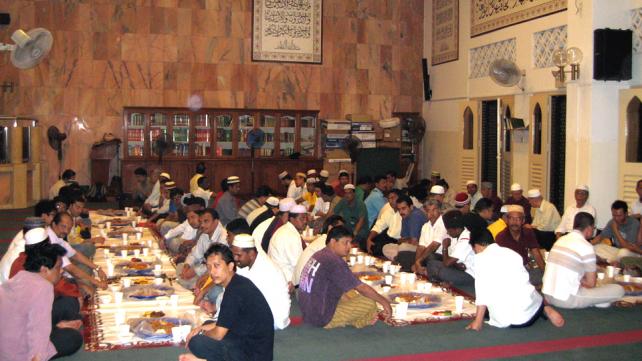
Iftar is the meal to break the fast at sunset. It is traditional to break the fast with dates and water, following the practice of the Prophet Muhammad (PBUH). Iftar should not be delayed, and it is a time of gratitude and dua (supplication).
Making Up Missed Fasts
If someone misses fasting during Ramadan due to a valid reason, they are required to make up those missed days before the next Ramadan arrives. The missed days can be fasted consecutively or on separate days. If someone is unable to fast due to long-term illness or old age, they should provide food for a poor person for each day of fasting they miss.
Fasting Beyond Ramadan
Fasting is not only restricted to Ramadan. There are other times in the Islamic calendar when fasting is highly recommended. Some of these include:
- Six Days of Shawwal: Fasting six days in the month after Ramadan brings additional reward.
- Day of Arafah: This is a highly virtuous day of fasting for those not performing Hajj.
- Ashura (10th of Muharram): Fasting on this day is a way to atone for the minor sins of the previous year.
- Mondays and Thursdays: The Prophet Muhammad (PBUH) used to fast on these days regularly.
Conclusion
Fasting in Islam is an act of worship that brings Muslims closer to Allah. It is a time for spiritual reflection, self-discipline, and gratitude. The rules of fasting are designed to be easy and accommodating, allowing those with valid reasons to be exempt or to make up their fasts at a later time. By following the rulings on fasting, Muslims can fulfill this important obligation and receive immense rewards in both this life and the Hereafter.


 Secure
donation
Secure
donation