

Is Tarawih Sunnah or Nafl? Clear Guide for Ramadan
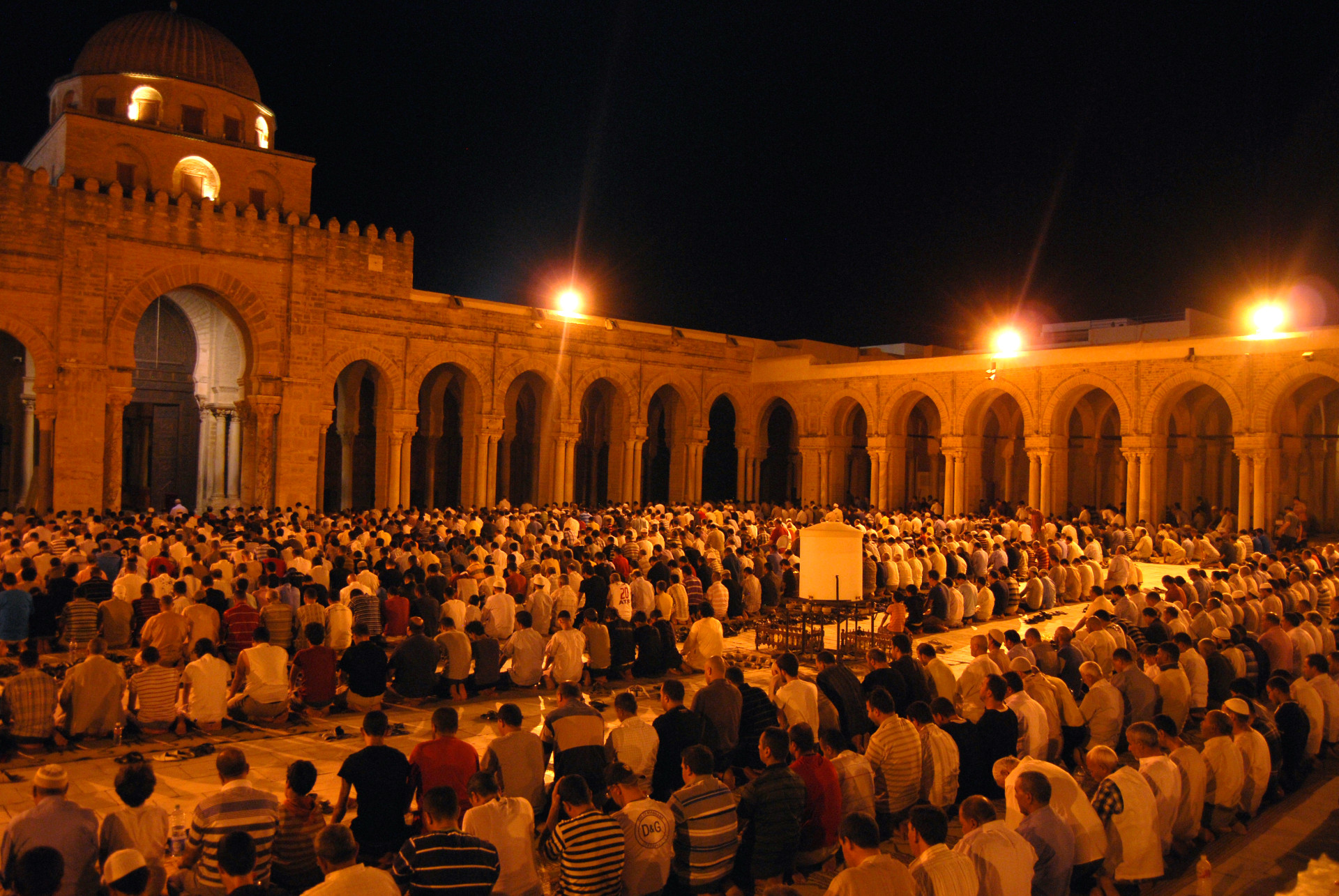
Only during Ramadan does Tarawih happen, which is an optional (nafl) night prayer. Every night during this blessed month, masjids all over the world hold group Tarawih prayers.
There are different stories about how long a full Tarawih is; some say it’s 8 rak’at and others say it’s 20 rak’at. It is common for the imam to pray the full 20 rak’at of prayer in a masjid. This is because all four schools of thought agree with these stories.
When Should You Pray Tarawih?
Anytime at night after the required ‘Isha prayer, people pray Tarawih. Thank you for your attention. The Witr prayer is the last prayer of the night, so you should not pray Tarawih after it.
Since Tarawih is a prayer for the night, you need to do it before Fajr. After ‘Isha, you can go to sleep and wake up later in the night to pray Tarawih. In fact, it is very good to worship Allah (SWT) in the last third of the night:
Once Prophet Muhammad (PBUH) said, ‘Our Lord Almighty descends to the lowest heaven in the last third of every night, saying, “Who is calling upon Me that I may answer him? Who is asking from Me that I may give him? Who is seeking My forgiveness that I may forgive him?“’ [Bukhari]

What Are The Benefits Of Tarawih Prayer?
Not only does the Tarawih prayer honor Allah Almighty, but it also has many mental and physical benefits, which we will talk about below:
- This special prayer is good for your mind and body. While praying, the person does light up and down moves like Sajdah and Ruku, which are good for their physical and mental health and make them stronger. Some people say they feel better about their lives when they fast all day and then pray the Tarawih at night.
- Tarawih helps older people get their muscle power back. When people get older, they don’t move as much, which makes their bones thinner. Moving your body over and over during Tarawih prayers makes your joints more flexible, your muscles stronger, and your tendons stronger. So, Tarawih prayers help older people have more energy, confidence, and self-respect, which helps them live on their own.
- Another benefit of Tarawih is that it encourages people to go to the mosque more often to pray this special prayer with the group.
- During the Tarawih service, Muslims from all walks of life come together in one place.
- The Tarawih prayer also gets Muslims from all over the world together.
- Muslims believe that saying this special prayer every day during the month of Ramadan strengthens their faith and urges them to do what makes Allah Almighty happy.
- The Tarawih prayer helps us worship more, which leads to a good night’s sleep.
- Not only does this special prayer bring us closer to Allah, but it also gives us a chance to work out, which helps us stay healthy and fit without eating too much.
- Reading verses from the Holy Quran over and over again also helps with remembering and clears the mind of unwanted thoughts.
- Moving around a lot during the Tarawih is like exercising, so it helps burn fat.
- People who pray Tarawih and eat a healthy meal at Sahoor and Iftar can lose weight.
Every Muslim should try to give Tarawih every day and not just do it occasionally during Ramadan. God bless us and give us the strength to say this special prayer (Tarawih) every day during this holy month of Ramadan! Ameen
Is Tarawih Compulsory Or Not?
If a Muslim doesn’t pray Tarawih, he or she is not guilty of a sin, even if they have a good reason. It is not required of them. Instead, it is a proven Sunnah that the Prophet (PBUH) did often and told Muslims to follow:
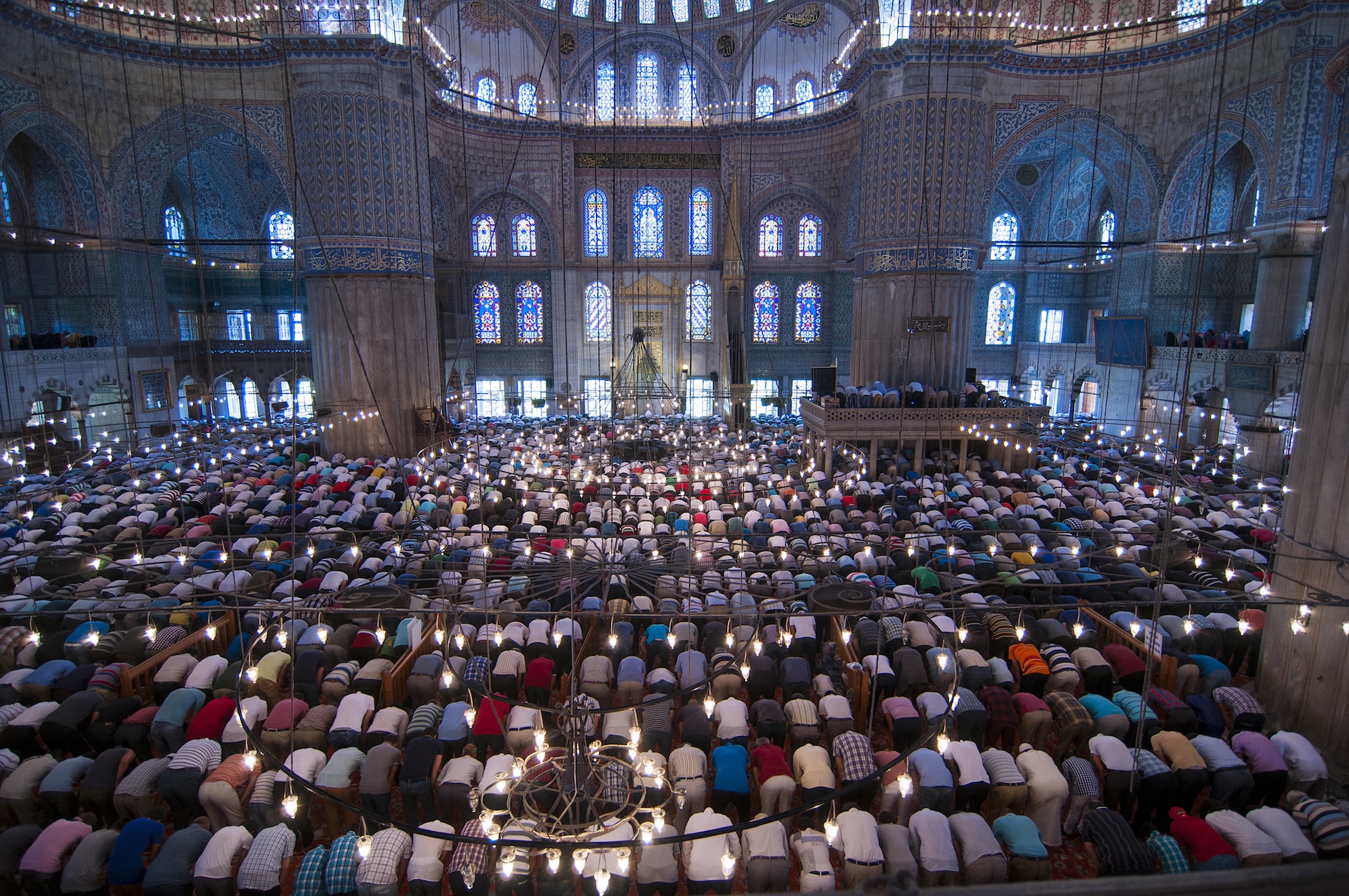
“Whoever prays qiyam in Ramadan out of faith and in the hope of reward, his previous sins will be forgiven.” (Al-Bukhari, 37; Muslim, 760)
But Muslims shouldn’t forget to pray Tarawih. He should pray it at home if he can’t do it with the rabbi in the mosque. He should pray as much as he can, even if it’s only two rak’ahs. If he can’t pray eleven, he should pray Witr.
FAQ
Is Tarawih Mandatory?
No, Tarawih is not mandatory, but it is a highly recommended sunnah (optional) prayer. It’s a way to earn extra rewards and seek forgiveness during Ramadan.
How Many Rakahs Are In Tarawih?
Tarawih can be prayed in different numbers of rakahs (units). Some people pray 8 rakahs, while others pray 20. Both ways are accepted, and you can choose the number that suits you.
Can Women Pray Tarawih At Home?
Yes, women can pray Tarawih at home. They don’t need to go to the mosque and can pray alone or with family.
What If I Can’t Pray All Of Tarawih?
If you can’t pray all of Tarawih, you can pray as many rakahs as you can manage. Even praying just a few is better than not praying at all. The focus is on doing your best.
Conclusion
Tarawih is a special, voluntary prayer performed during Ramadan, offering both spiritual and physical benefits. While not mandatory, it is highly recommended and brings Muslims closer to Allah. Tarawih can be prayed in different numbers of rak’ahs, typically 8 or 20, and both are accepted.
It is important to pray what you can, whether in the mosque or at home. Women can also pray Tarawih at home. Overall, it is a rewarding act of worship that strengthens faith, unity, and physical well-being during Ramadan.


 Secure
donation
Secure
donation