

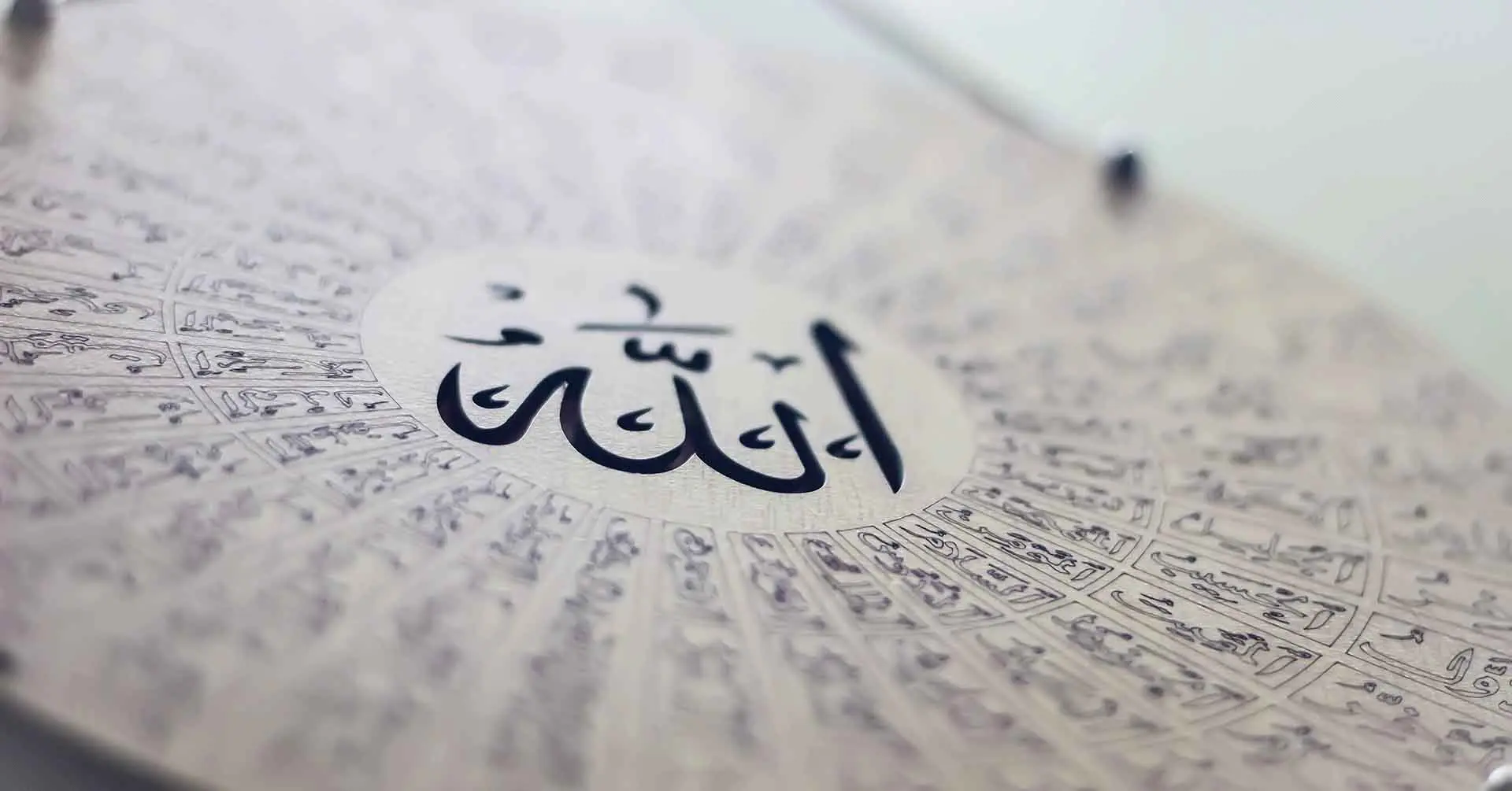
The Importance of Asma Ul Husna: Understanding Allah’s 99 Beautiful Names
In Islam, the names of Allah (God) hold a significant place, and they are known as Asma Ul Husna, meaning “The Most Beautiful Names.” These are 99 names that describe the many attributes of Allah, and each one gives us insight into His power, mercy, and nature. Muslims believe that learning, understanding, and calling upon Allah by these names can bring them closer to Him, increase their faith, and help them live better lives.
What Are The 99 Names Of Allah?
The 99 names of Allah are mentioned in the Quran and Hadith, and they represent the qualities and attributes of Allah. Some of the names reflect His mercy, like Ar-Rahman (The Most Merciful) and Ar-Raheem (The Most Compassionate), while others reflect His power, like Al-Qadir (The All-Powerful) and Al-Aziz (The Almighty). Each name is a key to understanding a different aspect of Allah’s nature, and by knowing these names, we can deepen our relationship with Him.
Here Are A Few Examples Of The 99 Names:
- Ar-Rahman (The Most Merciful)
- Ar-Raheem (The Most Compassionate)
- Al-Malik (The King)
- Al-Quddus (The Holy)
- As-Salam (The Source of Peace)
- Al-Ghaffar (The Forgiver)
- Al-Hakeem (The Wise)
Each name teaches us something valuable, and knowing these names helps us better understand who Allah is and what He means for us in our daily lives.
The Importance Of Knowing Asma Ul Husna
Muslims are encouraged to not only memorize these names but also to reflect on their meanings and apply them in daily life. By doing so, they can grow closer to Allah and live a life that is more in line with Islamic teachings.
As Prophet Muhammad ((PBUH)) said
“Indeed, Allah has ninety-nine names. Whoever memorizes them will enter Paradise.” (Sahih Muslim)

Strengthening Faith
Knowing the names of Allah helps to strengthen a Muslim’s faith. When we understand that Allah is Al-Khaliq (The Creator) of all things, it reminds us of His power and the purpose of our lives. When we reflect on Allah being Ar-Razzaq (The Provider), we realize that all our blessings come from Him, and this strengthens our trust in Allah, especially during hard times.
Guidance For Daily Life
The names of Allah also guide Muslims in their everyday life. For instance, knowing that Allah is Al-‘Adl (The Just) reminds us to be fair in our dealings with others, while knowing that Allah is As-Sabur (The Patient) encourages us to be patient in difficult situations. The names of Allah are not just theoretical; they have practical implications that help Muslims live better, more righteous lives.
A Source Of Peace And Comfort
Life can be full of challenges, but the names of Allah can offer comfort. For example, when someone feels lost, remembering that Allah is Al-Hadi (The Guide) can bring hope. When a person is struggling with guilt, reflecting on Allah being Al-Ghaffar (The Forgiver) can bring peace. Each name offers a different type of comfort and reassurance, depending on the situation.
A Way To Draw Closer To Allah
In Islam, calling upon Allah by His beautiful name is a special way to connect with Him. The Prophet Muhammad ((PBUH)) said:
“Allah has ninety-nine names, and whoever memorizes them will enter Paradise.” (Sahih Bukhari)
This shows the spiritual reward of learning these names. When Muslims pray, they often use Allah’s name to express their feelings. For instance, someone seeking forgiveness may call on Allah as Al-Ghafoor (The Most Forgiving). If they are asking for healing, they may call on Allah as Ash-Shafi (The Healer). By using these names in prayers, Muslims feel a deeper connection with their Creator.
A Reminder Of Allah’s Mercy
One of the main lessons from Asma Ul Husna is Allah’s overwhelming mercy and compassion. Many of the names, like Ar-Rahman (The Most Merciful) and Al-Wadud (The Loving), remind Muslims that Allah’s love and mercy are always present. No matter how many mistakes we make, these names remind us that Allah is always ready to forgive and help us return to the right path.
How To Learn And Apply Asma Ul Husna In Life
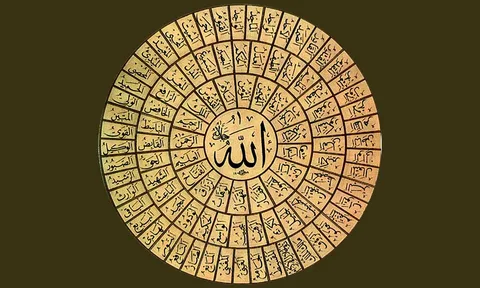
Study The Names
Learning the 99 names of Allah can be a life-changing journey. Start by learning a few names at a time. Reflect on what each name means and how it applies to your life. For example, if you are going through a difficult period, learning about Al-Latif (The Subtle, The Kind) can help remind you that Allah’s kindness is present even in small, unnoticed ways.
Use the Names In Your Prayers
Incorporate these names into your daily prayers (duas). If you are feeling anxious, you can ask Allah for peace by calling Him As-Salam (The Source of Peace). If you are seeking success, you can call on Allah as Al-Fattah (The Opener). Using these names in prayer helps you communicate with Allah in a more personal way.
Live According To The Names
The 99 names of Allah are not just for learning or memorization. They are meant to inspire Muslims to live by these attributes. For example, if Allah is Al-Adl (The Just), we should also strive to be just and fair in our dealings with others. If Allah is As-Sabur (The Patient), we should practice patience in our lives. By reflecting these qualities in our actions, we grow closer to Allah and become better people.
Teach The Names To Others
Once you begin to understand the importance of Asma Ul Husna, share this knowledge with others. Teaching these names to children, family members, and friends can help them strengthen their relationship with Allah.
Conclusion
The Asma Ul Husna, or the 99 names of Allah, offer a deep and profound understanding of who Allah is. By learning these names, Muslims can gain insight into Allah’s mercy, power, and wisdom. More than just a list of names, they provide a guide for living a better, more meaningful life. Whether seeking comfort in times of hardship, striving to become a better person, or deepening one’s connection with Allah, the 99 names serve as a source of strength, hope, and guidance.


 Secure
donation
Secure
donation