

How to Prevent River Floods in Bangladesh?
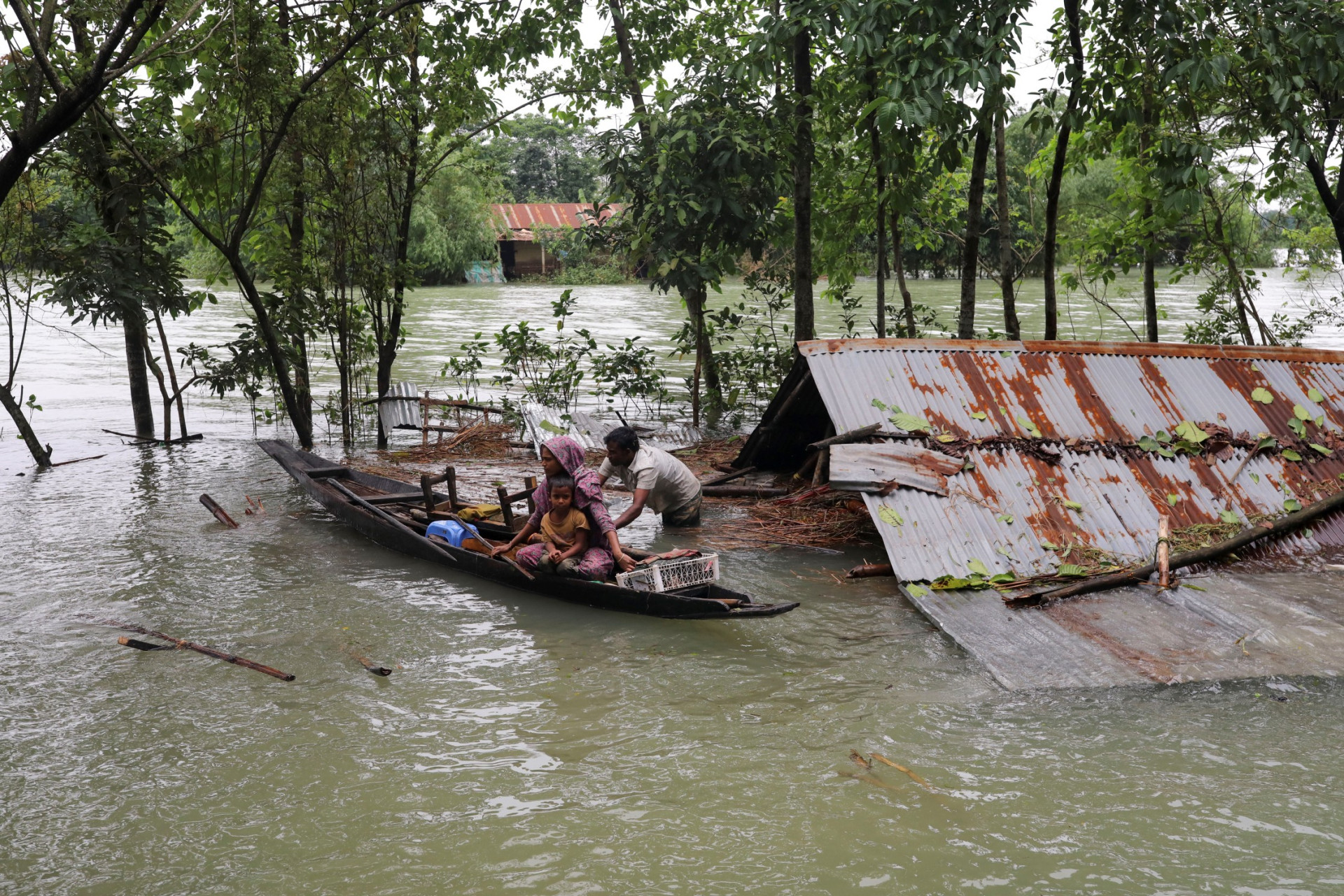
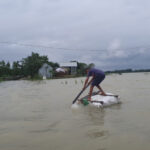
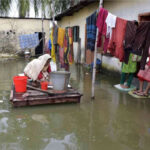
Bangladesh is a beautiful country, full of rivers and lush green fields. But every year, these rivers bring floods that cause a lot of problems. Floods can destroy homes, farms, and even take lives.
It’s a big problem, but there are ways we can prevent these floods from causing so much damage. In this blog, we will talk about how we can prevent river floods in Bangladesh using simple methods that everyone can understand.
What Is The Cause Of Flood In Bangladesh?
Before we talk about how to stop floods, let’s understand what they are. A flood happens when there is too much water in a river, and it overflows onto the land. This can happen for several reasons:
- Heavy Rainfall: When it rains a lot, the rivers get more water than they can hold, causing them to overflow.
- Melting Snow: In the Himalayas, when snow melts quickly, it adds extra water to the rivers that flow into Bangladesh.
- Blocked Rivers: Sometimes, rivers get blocked by things like mud, sand, or even trash. This can make the water back up and overflow.
- Rising Sea Levels: As the sea levels rise due to climate change, it can cause the rivers to back up, leading to floods.
Now that we know what causes floods, let’s look at some simple ways to prevent them.
Planting Trees
One of the easiest and most effective ways to prevent floods is by planting trees. Trees help in many ways:
- Absorb Water: Trees have roots that go deep into the ground. These roots absorb a lot of water, which helps to reduce the amount of water that flows into rivers.
- Prevent Soil Erosion: Trees hold the soil together with their roots. This prevents the soil from being washed away into rivers, which can block the flow of water and cause floods.
- Slow Down Rainwater: When it rains, the leaves of the trees slow down the rainwater, giving it time to soak into the ground instead of quickly flowing into the rivers.
By planting more trees, especially near rivers and in hilly areas, we can reduce the chances of floods.
Building Stronger Dams And Embankments
Dams and embankments are structures built to control the flow of water in rivers. Here’s how they help
- Dams: A dam is a barrier built across a river to hold back water. This stored water can be released slowly, preventing floods. Dams can also be used to generate electricity and provide water for irrigation.
- Embankments: An embankment is like a wall built along the sides of a river. It stops the river from overflowing onto the land. However, embankments need to be strong and well-maintained to be effective.
In Bangladesh, we need to build more dams and embankments and make sure they are strong enough to withstand heavy rains and rising water levels.
Regular River Dredging
Dredging is the process of removing mud, sand, and other debris from the bottom of rivers. This helps in the following ways:
- Increase River Capacity: By removing the buildup of mud and sand, we can increase the river’s capacity to hold more water, reducing the chances of it overflowing.
- Improve Water Flow: Dredging helps to remove blockages in the river, allowing water to flow more freely and reducing the risk of floods.
Regular dredging of rivers in Bangladesh can help prevent floods by ensuring that rivers can handle more water.
Creating Flood-Resistant Infrastructure
Building flood-resistant infrastructure means designing and constructing buildings, roads, and other structures that can withstand floods. This can include:
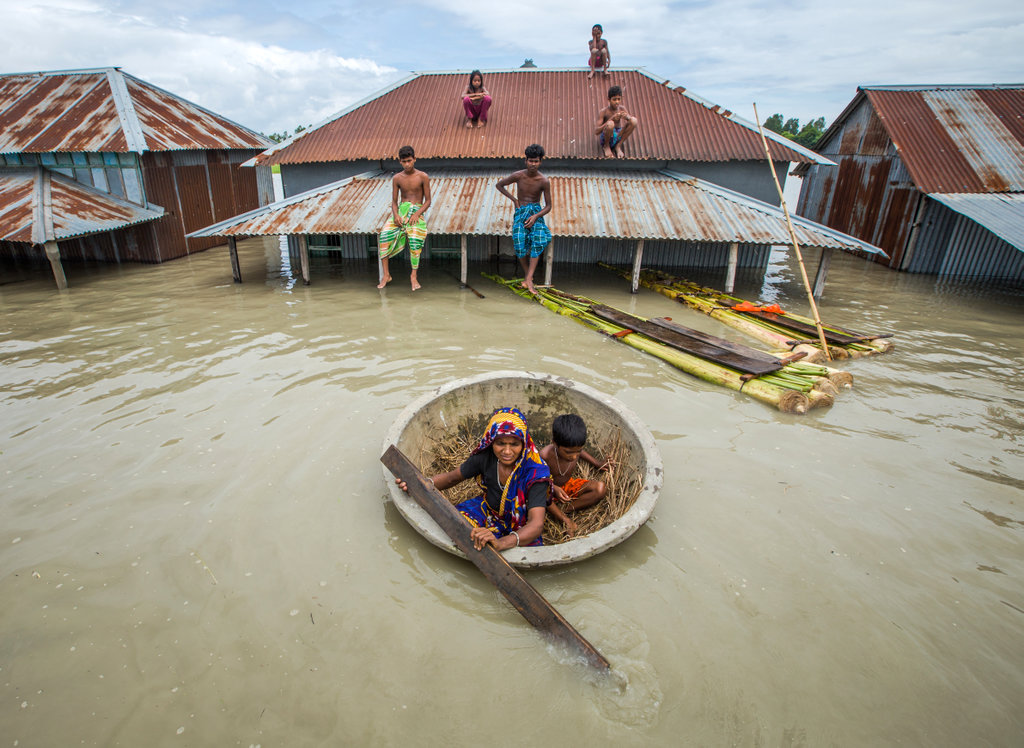
- Raised Homes: In flood-prone areas, homes can be built on stilts or raised platforms. This keeps them above the water level during floods.
- Flood Walls: Building walls around important structures like hospitals and schools can protect them from floodwaters.
- Flood-Resistant Roads: Roads can be built using materials that are resistant to water damage, and they can be elevated to stay above flood levels.
By creating infrastructure that can resist floods, we can reduce the damage caused by floods and protect people’s lives and property.
Early Warning Systems
An early warning system is a way to alert people before a flood happens. This can save many lives and help people prepare for the flood. Here’s how it works:
- Weather Forecasting: Using modern technology, we can predict heavy rainfall and rising river levels. This information can be used to warn people in advance.
- Community Alerts: Once a flood is predicted, warnings can be sent out to communities through radio, television, and mobile phones. This gives people time to move to safer areas.
- Evacuation Plans: Having a plan in place for evacuation during floods can help people know what to do and where to go. Safe shelters should be identified in advance.
By using early warning systems, we can reduce the loss of life and property during floods.
Proper Land Use Planning
Proper land use planning means using the land in a way that reduces the risk of floods. This can include:
- Avoiding Construction in Flood-Prone Areas: Building homes and other structures away from rivers and low-lying areas can reduce the risk of flood damage.
- Creating Floodplains: A floodplain is an area near a river that can safely absorb floodwaters. By keeping these areas free from construction, we allow the floodwaters to spread out and reduce the impact on other areas.
- Zoning Laws: Implementing and enforcing zoning laws that prevent construction in flood-prone areas can help reduce the risk of floods.
By planning how we use the land, we can reduce the impact of floods and protect our communities.
Promoting Community Awareness
Preventing floods is not just the responsibility of the government; it’s something that everyone can help with. Here’s how:
- Education: Teaching people about the causes of floods and how to prevent them can empower communities to take action. Schools can include flood education in their curriculum.
- Community Participation: Encouraging people to participate in tree planting, river cleaning, and other flood prevention activities can make a big difference.
- Disaster Preparedness Drills: Conducting regular drills can help communities practice what to do during a flood, making them better prepared to handle the situation.
By promoting community awareness and participation, we can create a culture of flood prevention that benefits everyone.
Managing Water Resources
Managing water resources means using the water in our rivers wisely to prevent floods. This can include:
- Rainwater Harvesting: Collecting rainwater and storing it for later use can reduce the amount of water flowing into rivers. This can be done by building rainwater harvesting systems in homes and communities.
- Water Storage Reservoirs: Creating reservoirs to store excess water during heavy rains can help control the flow of water in rivers.
- Efficient Irrigation: Using water efficiently in agriculture can reduce the amount of water that flows into rivers, especially during the monsoon season.
By managing our water resources better, we can reduce the risk of floods and make sure that water is available when we need it.
How To Prepare For Flood
To prepare for a flood, make sure you have an emergency plan and kit ready, including food, water, and important documents. Move valuable items to higher places and seal any cracks in your home to keep water out.
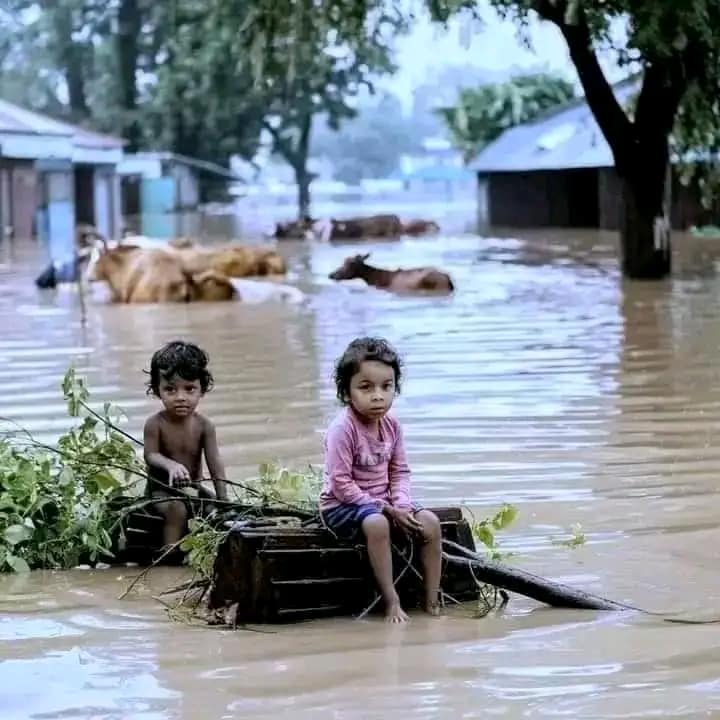
Stay informed about weather updates and be ready to leave for higher ground if needed. It’s also wise to know your local shelters and have a plan for your pets. After the flood, check your home for damage, take pictures for insurance, and clean up carefully while staying safe.
FAQ
What Are The Most Effective Ways To Prevent River Floods?
To prevent river floods, effective measures include building levees and dams to control water flow, restoring natural wetlands to absorb excess water, implementing river dredging to increase channel capacity, constructing reservoirs to store floodwaters, and improving land-use planning to avoid construction in flood-prone areas.
How Does Reforestation Help In Preventing River Floods?
Reforestation helps prevent river floods by enhancing the land’s ability to absorb rainwater. Trees and vegetation reduce runoff by increasing soil infiltration, which means that more water is absorbed into the ground rather than flowing directly into rivers. This decreases the volume of water that contributes to flooding.
Can Proper Urban Planning Reduce The Risk Of River Floods?
Yes, proper urban planning plays a crucial role in reducing the risk of river floods. By avoiding construction in flood-prone areas, creating green spaces that act as natural water absorbers, and implementing effective drainage systems, urban planning can minimize the impact of heavy rainfall and prevent rivers from overflowing.
What Role Do Wetlands Play In Flood Prevention?
Wetlands act as natural sponges, absorbing and holding large amounts of water during heavy rainfall. By slowing down the flow of water, wetlands help reduce the pressure on rivers, thereby preventing floods. Protecting and restoring wetlands is essential for maintaining their flood prevention benefits.
How Can Communities Contribute To Preventing River Floods?
Communities can contribute by participating in tree-planting initiatives, supporting local wetland restoration projects, ensuring proper disposal of waste to prevent clogging of drainage systems, and staying informed about flood risks in their area. Additionally, community involvement in local planning and decision-making can help ensure that flood prevention measures are effectively implemented.
Conclusion
Preventing river floods in Bangladesh is a big challenge, but it’s not impossible. By planting trees, building stronger dams and embankments, dredging rivers, creating flood-resistant infrastructure, using early warning systems, planning land use properly, promoting community awareness, and managing water resources, we can make a big difference. On the question how to prevent river floods?
A simple answer is that every person in Bangladesh has a role to play in preventing floods. By working together, we can protect our homes, our farms, and our lives from the devastating impact of floods. Let’s take action now to create a safer, flood-free future for Bangladesh.

 Secure
donation
Secure
donation