

How to Mitigate Floods in Bangladesh? | Simple Steps to Protect Your Community
Floods can be devastating, causing damage to homes, roads, and even taking lives. Fortunately, there are ways to reduce the risk of flooding.
In this blog, we will talk about easy ways you can help prevent floods in your community. These steps are simple but effective and can make a big difference.
Steps To Follow on To How to Mitigate Floods in Bangladesh
First, let’s understand what a flood is. A flood happens when water covers land that is usually dry. This can happen when it rains too much, when rivers overflow, or when snow melts quickly.
Floods can also happen when the sea level rises, and the water comes onto the land.
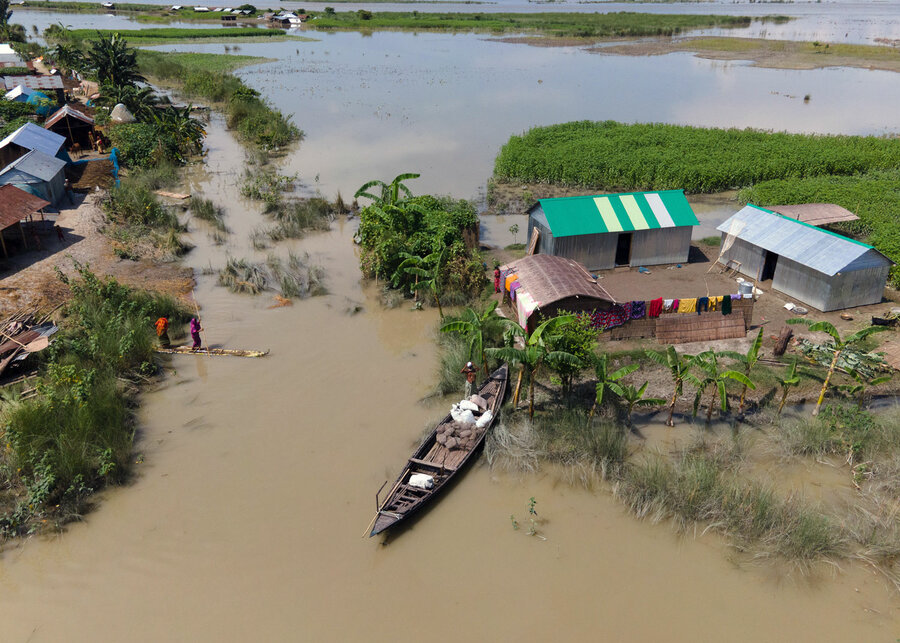
Keep Rivers And Streams Clean
One of the easiest ways to reduce the risk of flooding is to keep rivers and streams clean.
When there is trash, fallen trees, or other debris in rivers and streams, the water cannot flow freely, causing it to back up and flood nearby areas.
What You Can Do:
- Organize Clean-Up Events: Get together with your neighbors to clean up local rivers and streams. This can be done on a regular basis.
- Dispose of Trash Properly: Make sure you and your community are throwing trash in bins and not in or near waterways.
- Plant Trees and Shrubs: Trees and shrubs near rivers can help prevent soil from washing into the water, which can clog the streams.
Build Barriers
Building barriers can help stop water from flooding homes and roads. These barriers can be temporary or permanent, depending on the risk of flooding in your area.
Types of Barriers:
- Sandbags: Sandbags are one of the most common temporary barriers. You can place them around your home or in front of doors to stop water from coming in.
- Levees: Levees are embankments built along rivers to keep the water from overflowing. They are usually made of earth, but they can also be made of concrete.
- Flood Walls: These are similar to levees but are usually made of concrete or stone. They are often built in cities to protect large areas from flooding.
Improve Drainage Systems
Good drainage systems are crucial in preventing floods. If the drains in your community are blocked or not working properly, water will have nowhere to go and will start to flood streets and homes.
How To Improve Drainage
- Clean Gutters and Drains: Regularly check and clean gutters, drains, and storm sewers to make sure they are not blocked by leaves, trash, or other debris.
- Install Permeable Surfaces: Use materials that allow water to soak into the ground, such as permeable pavement, in driveways and parking lots. This helps reduce the amount of water that runs off and causes flooding.
- Create Rain Gardens: A rain garden is a garden designed to soak up rainwater. You can plant one in your yard to help absorb water that would otherwise run off into the street.
Use Green Infrastructure
Green infrastructure is a way of using plants and natural landscapes to manage water. It’s a great way to reduce flooding while also improving the environment.
Examples of Green Infrastructure:
- Green Roofs: A green roof is a roof covered with plants. The plants help absorb rainwater and reduce the amount of water that runs off the roof.
- Wetlands: Wetlands are areas of land that are often wet. They can act like sponges, soaking up excess water and reducing the risk of floods.
- Urban Forests: Trees and other plants in cities can help absorb rainwater and reduce the amount of water that runs off streets and sidewalks.
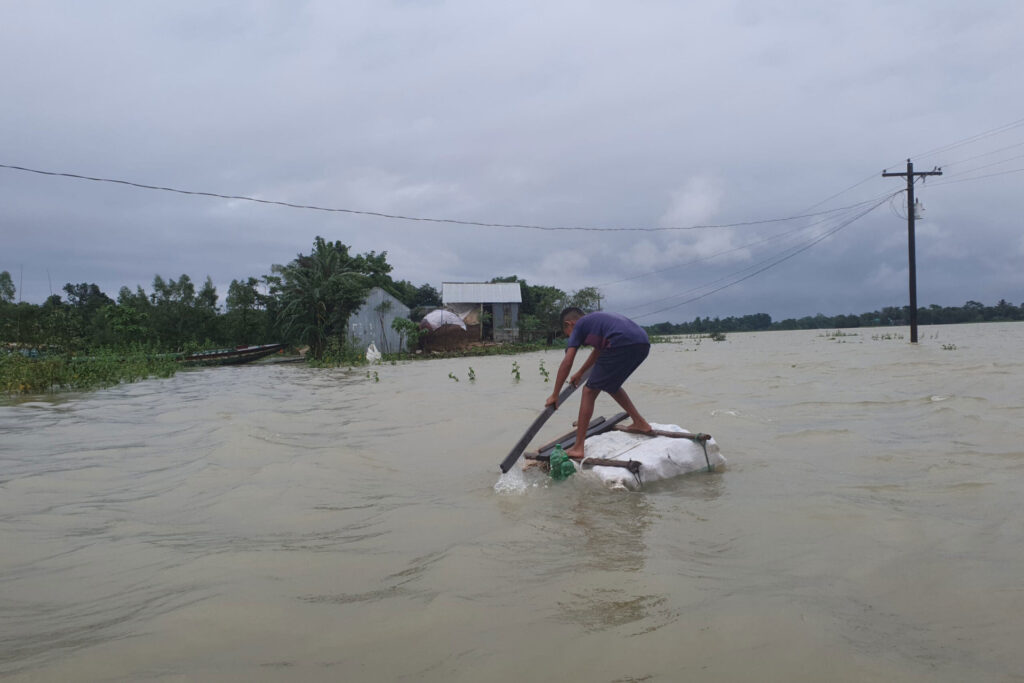
Plan For Flooding
Sometimes, no matter what we do, floods can still happen. That’s why it’s important to have a plan in place so that you and your community know what to do if a flood does occur.
How to Plan for Flooding
- Know Your Risk: Find out if you live in a flood-prone area. This will help you understand the level of risk and how much preparation is needed.
- Create an Emergency Kit: Have a kit ready with supplies such as food, water, first aid, and important documents. This will be helpful if you need to evacuate your home quickly.
- Have an Evacuation Plan: Know where you will go if you need to leave your home because of a flood. Make sure all family members know the plan and practice it regularly.
- Stay Informed: Keep an eye on weather reports and listen for any flood warnings. If you know a flood is coming, you can take action to protect yourself and your home.
Protect Natural Flood Defenses
Nature has its own ways of preventing floods. By protecting natural areas like forests, wetlands, and floodplains, we can help reduce the risk of flooding.
How to Protect Natural Flood Defenses:
- Avoid Building on Floodplains: Floodplains are areas that are naturally prone to flooding. It’s best not to build homes or other structures in these areas.
- Preserve Wetlands: Wetlands are great at soaking up water, so it’s important to protect them from being drained or destroyed.
- Reforest Degraded Areas: Planting trees in areas that have been cleared can help restore natural flood defenses.
Work Together As A Community
Flood prevention is not something that can be done alone. It takes a whole community working together to effectively reduce the risk of flooding.
Ways to Work Together:
- Community Education: Educate your neighbors about the risks of flooding and how to prevent it. You can hold workshops, distribute flyers, or share information on social media.
- Form a Flood Action Group: A Flood Action Group is a group of people in your community who work together to prevent floods. They can organize clean-up events, plan for emergencies, and work with local authorities to improve flood defenses.
- Support Local Flood Defenses: If your community is planning to build new flood defenses, support these efforts by attending meetings, sharing information, and volunteering to help.
Support Government Efforts
Governments play a crucial role in flood prevention. They are responsible for building large-scale flood defenses, managing water resources, and responding to emergencies.
How You Can Support Government Efforts
- Advocate for Flood Protection: Let your local government know that you support flood protection measures. This can include building levees, improving drainage systems, and protecting natural flood defenses.
- Participate in Public Consultations: When the government is planning new flood defenses, they often hold public consultations. This is your chance to share your thoughts and make sure your community is protected.
- Vote for Candidates Who Support Flood Prevention: When voting in local elections, consider which candidates have plans to reduce the risk of flooding.
FAQ
What Can I Do At Home To Reduce Flood Risk?
You can take steps like clearing your gutters and drains so water flows freely, raising electrical appliances above potential flood levels, and using sandbags or barriers to block water from entering your home.
How Can Planting Trees And Plants Help Prevent Floods?
Trees and plants soak up rainwater and help slow down the flow of water. Their roots also hold the soil in place, reducing erosion and making it less likely that heavy rain will cause flooding.
What Is A Rain Garden, And How Does It Help With Floods?
A rain garden is a low area planted with native plants that are good at soaking up water. It collects rainwater from your roof or driveway and lets it slowly seep into the ground, which helps prevent flooding and improves water quality.
How Can Communities Work Together To Reduce Flood Risks?
Communities can build retention ponds, improve drainage systems, and create floodplain areas where water can safely overflow. By working together, they can share resources and create bigger solutions than what one person could do alone.
What Should I Do During A Heavy Rain To Avoid Flooding?
During heavy rain, keep an eye on weather alerts, move valuable items to higher ground, and avoid driving through flooded areas. If water starts to rise, turn off utilities like gas and electricity to prevent accidents.
Conclusion
Floods can be devastating, but with the right actions, we can reduce the risk and protect our communities.
By keeping rivers and streams clean, building barriers, improving drainage systems, using green infrastructure, planning for floods, protecting natural flood defenses, working together as a community, and supporting government efforts, we can make a big difference.
Remember, every small step counts, and together we can help prevent floods from causing harm.

 Secure
donation
Secure
donation