

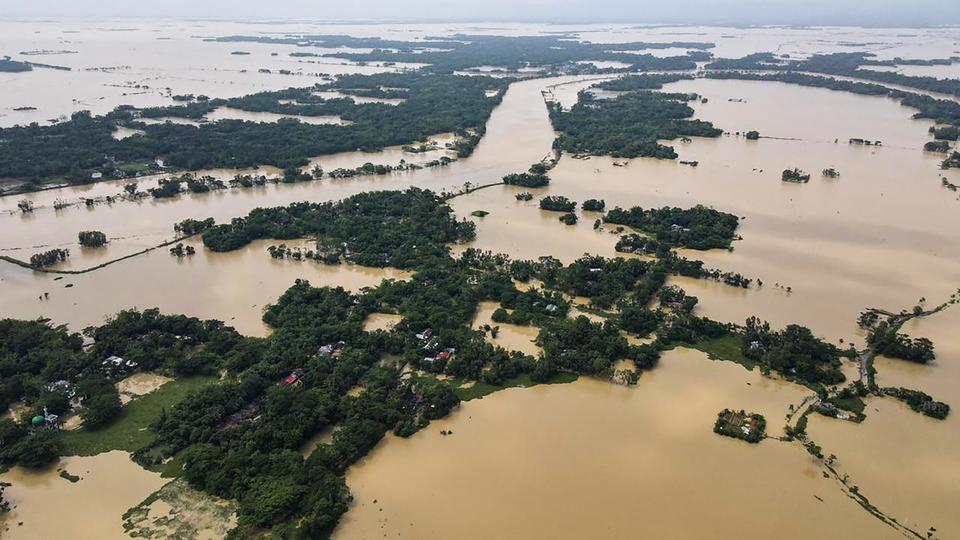
How Do Floods Start in Bangladesh: Let’s Find Out
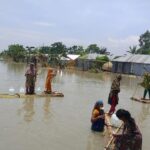
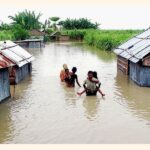
Floods in Bangladesh begin with heavy monsoon rains and cyclones that cause major rivers like the Ganges and Brahmaputra to overflow.
Tidal surges from the Bay of Bengal, especially during high tides, exacerbate the situation. Additionally, poor drainage systems, deforestation, and climate change contribute by reducing water absorption and increasing sea levels, heightening the flood risk.
How Do Floods Start In Bangladesh?
Before discussing how floods start, let’s define floods. In simple words, a flood is a natural disaster in which water covers land that is normally dry. Floods can hurt people, kill people, destroy property, damage infrastructure, and stop the spread of diseases. Now, let’s take a look below.
According to the World Health Organization, there are three main types of floods.
- Flash Floods
- Coastal Waves
- The River Floods
Flash Floods
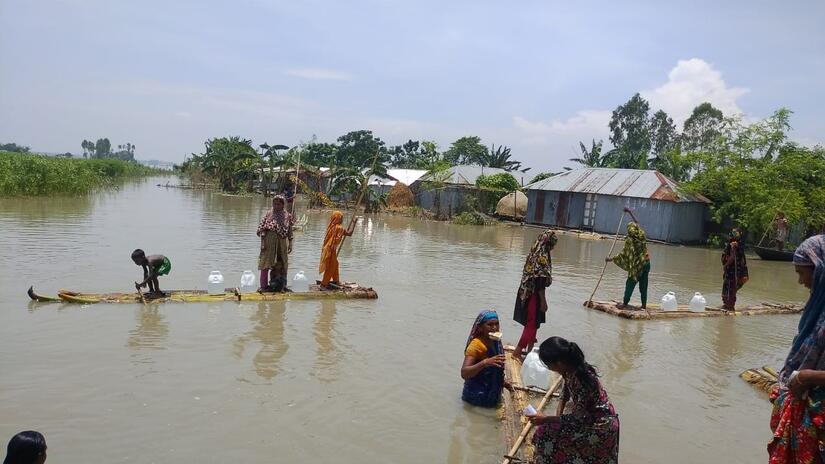
As their name suggests, flash floods happen very quickly. When there is a flash flood, there may be rapid, deep water over a large area or a fast-moving wall of water in a smaller area.
Why A Flash Flood Happen?
A flash flood usually occurs when strong, slow-moving rains make the ground too wet to absorb. Although catastrophic dam failures and melting ice jams can also cause flash floods, rain is the most common cause.
Flash floods can also happen in places that seem surprisingly dry, like the desert or places experiencing a drought. This is because dry and hard ground doesn’t soak up water well.
When a strong storm dumps rain on that type of soil, the water pools and runs off instead of seeping into the ground, as that water pools together and tries to drain, it can turn into a brief river that can carry people and things away.
How To Stop Flash Floods
If the right people have access to accurate weather forecasts and a good idea of the area’s soil’s moisture and density, they can pretty much predict what will happen during a flash flood.
Land management agencies in each area can figure out the flood risk for any given day by monitoring the amount of rain falling and the state of the soil. This lets people know what to do in case of an emergency.
Good care and high operational standards inside the dam are key to keeping communities safe in areas near, especially below, dams. Staff at the dam can make changes to keep the flow safe by constantly checking for rain and water levels above, below, and in the dam, as well as incoming weather.
Flooding At The Coast
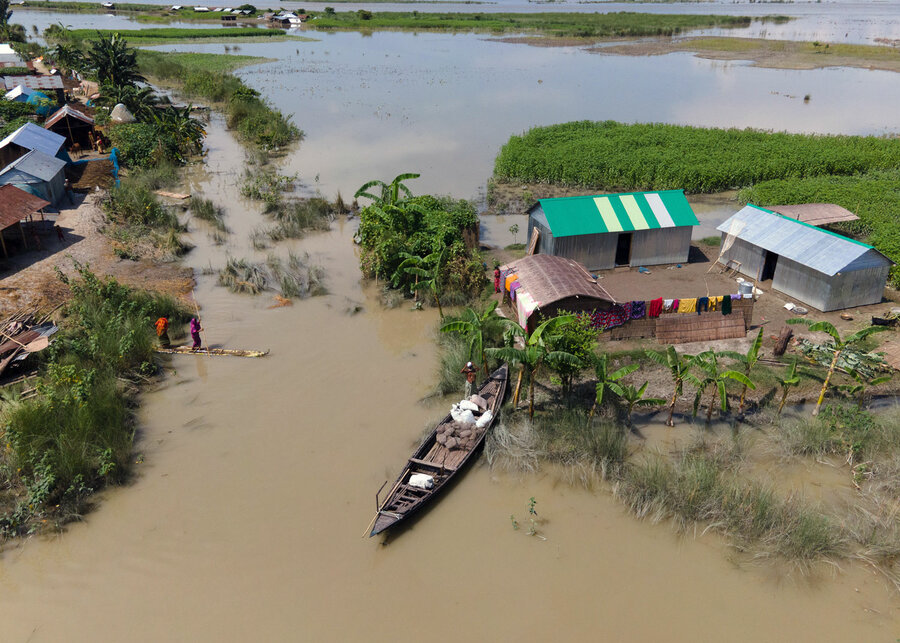
A coastal storm can occur anywhere that land meets a large body of water, such as an ocean, sea, bay, or lake. As 40% of the world’s population lives within 100 kilometers of the coast, flooding along the coast is especially dangerous. It puts more people and things at risk.
What Makes A Coastal Flood Happen?
Strong winds, like those that come with hurricanes and cyclones, can stir up the water and make the tides that reach and hit the shore much higher. A storm surge is the name for this. During storm surge, roads, beaches, and towns along the coast can quickly become dangerous.
Earthquakes and volcanic events that happen under the sea can also cause tsunamis, which are huge, destructive waves.
While storm surges are dangerous, tsunamis are even more so because they carry a huge amount of energy that doesn’t dissipate before they hit shore like a normal wave does. In other words, the water from a wave can flood land up to several miles away.
Because sea levels are rising worldwide, coastal flooding is also worsening. NASA says that because of climate change, the seas rise about 0.13 inches (33 millimeters) yearly.
So, areas prone to coastal flooding will experience more frequent and harmful floods in the future. At the same time, areas considered safe above sea level will become more vulnerable.
How To Stop Floods Along The Coast
People who live near the water will always have to deal with coastal flooding. However, local governments, utility companies, and private businesses can help keep their towns safe by giving people as much time as possible to leave coastal areas before a storm surge or tsunami hits.
The River Floods
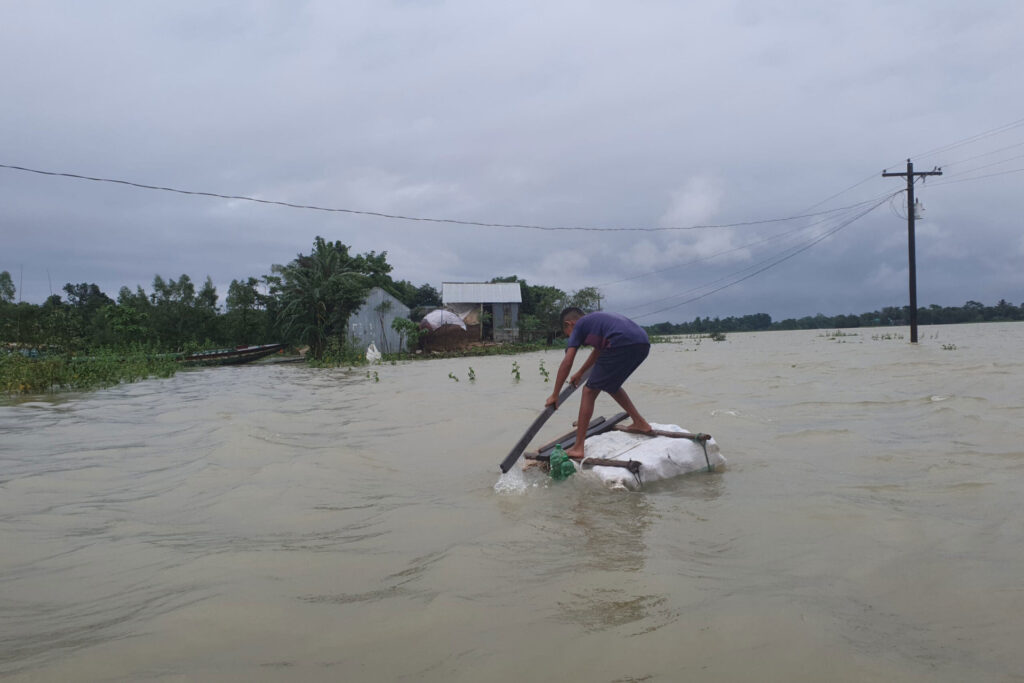
The idea that a stream or river’s direction and volume don’t change over time is fairly new. People knew that rivers naturally got wider, deeper, and even changed their paths with the seasons and weather until the last few hundred years, when technology got good enough to control rivers.
We often forget that rivers can easily overflow their banks and cause damage now that we’re so good at building things and planning cities. The EPA, on the other hand, says that river flooding is getting worse and more common across Bangladesh. Even in this 2024, Bangladesh has faced river floods for the 2nd time.
What Makes Rivers Flood?
The path of any river, creek, or stream can hold a certain amount of water. While the river’s depth can change from place to place, the river as a whole is built to move water evenly and keep the level steady.
The river floods its banks when there is too much water for it to handle, which stops the normal process. That could be due to heavy rain, a broken dam, an ice jam, animal activity (like a beaver dam), or human actions (like dumps quickly releasing waste water from mines).
Over time, natural erosion can make rivers more likely to flood by shaping the riverbank into a trough shape that is easier for fast-moving water to cover.
How To Stop Rivers From Flooding
There are ways to make riverbeds flatter, strengthen banks, and improve flow in places where erosion has made flooding more common. All of those methods are, however, pricey and take a lot of time. They also don’t work for all rivers and don’t fix all the problems that cause rivers to flood.
As with flash flooding and coastal flooding, the most important thing to do when there is a river flood is to give people early, clear signs so they can leave the area or find high ground.
Along the river, there need to be a number of places to check the water level and keep a close eye on the weather.
Even though river floods happen quickly, long-term planning is one of the best ways to stop them.
For better engineering and public safety plans that work best for the community and situation, hydrological engineers, cities, and environmental groups need to learn a lot about each river as a whole.
FAQ
What Causes A Flood To Happen?
Floods usually start when there’s too much rain or when snow melts quickly. The water from rain or melted snow can’t be absorbed by the ground fast enough, so it flows over the land, causing a flood.
Can Floods Happen Even If It’s Not Raining?
Yes, floods can happen without rain. Sometimes, rivers, lakes, or dams can overflow if there’s too much water in them. This can happen because of heavy rain far away, or when ice or debris blocks the flow of water.
Do Floods Only Happen Near Rivers?
Floods are common near rivers, but they can also happen in other places. For example, in cities, the water might not drain well, causing floods on streets and in homes. Coastal areas can flood when there are strong storms or hurricanes.
How Fast Can A Flood Start?
Some floods, like flash floods, can start very quickly, within minutes or hours after heavy rain. Other floods might take longer to develop, but once they start, they can spread fast and cover large areas.
Conclusion
In conclusion, floods in Bangladesh are a complex problem when it comes how do floods start. In simple words, they are caused by heavy monsoon rains, cyclones, and rising sea levels. The three main types of floods are flash floods, coastal floods, and river floods each have their own causes and challenges.
While natural factors like rain and tides play a big role, human activities such as poor land management, deforestation, and climate change also contribute to the increasing flood risks.

 Secure
donation
Secure
donation