


Fidya Donation: Your Complete 2026 Guide to Giving
Making a fidya donation is a beautiful way to stay connected to the heart of Ramadan when you can’t physically fast. Life is full of changes, and sometimes our health or our age means we have to sit out the physical act of fasting. But here’s the good news: Allah (SWT) is incredibly merciful. He has provided a way for us to still catch all those Ramadan blessings. By giving a fidya donation, you’re fulfilling your duty and putting a hot meal on the table for someone who truly needs it.
Every day at the SPAR Project, we witness the wonder of your kindness. In the small villages of Bangladesh, a simple meal isn’t just food—it’s a message of hope. It tells a struggling family that they aren’t alone. In this guide, I’ll walk you through everything you need to know about Fidya in 2026. We’ll talk about who needs to give, how much it costs this year, and how your gift changes lives on the ground.
What Exactly Is a Fidya Donation?
Let’s keep it simple. A fidya donation is a “thank you” to Allah and a “helping hand” to the poor. It is a mandatory payment for Muslims who are unable to fast during Ramadan due to a permanent condition. The word “Fidya” actually comes from the idea of compensation. Think of it as a substitute. Since you can’t fast yourself, you’re providing food for someone else who is struggling.
This isn’t just a tradition; it’s right there in the Quran. Allah tells us that for those who find fasting too difficult, there is a “ransom” or a substitute—feeding a poor person. It’s important to see Fidya as a mercy, not a “fine.” It lets everyone, regardless of their health, be a part of the spirit of the month.
Who Should Make a Fidya Donation in 2026?
Are you uncertain about your obligation to make a donation? Don’t worry, it’s pretty straightforward. Fidya is for people who can’t fast now and don’t expect to be able to “make it up” later.
1. Our Elders
As we get older, our bodies sometimes can’t handle 15 or 16 hours without water or food. If fasting makes you feel dangerously weak or sick, you don’t have to push yourself. Instead, you can provide Fidya for each day of fasting.
2. Friends with Long-term Illness
If you’re managing something like severe diabetes, kidney issues, or a heart condition, your health comes first. If your doctor says fasting is a bad idea for your long-term health, Fidya is your path.
3. Permanent Medical Needs
Some people need to take life-saving medicine at specific times throughout the day. If you can’t skip or move those doses, and you’ll always need that schedule, you’re in the right place to give Fidya.
Quick Tip: If you just have a short-term bug, like a cold or a temporary infection, you don’t need Fidya. You just catch up on those fasts (Qada) later when you’re feeling 100% again.
How to Work Out Your Fidya: 2026 Pricing
So, how much should you give? The amount is based on feeding one person two meals for every day you miss. In 2026, we try to make the math easy for everyone.
| Missed Time | 2026 Cost (USD) | What it does in Bangladesh |
| 1 Single Day | $5.00 | Feeds one person for the whole day |
| 1 Week (7 Days) | $35.00 | Feeds a small family for a week |
| Full Month (30 Days) | $150.00 | Feeds an entire family for all of Ramadan |
At the SPAR Project, we suggest $5 per day. Why that amount? Our goal is to ensure that the food we purchase in Bangladesh is of the highest quality. We don’t just buy the basics; we buy nutritious rice, lentils, and oil so the families we help stay healthy and strong.
Fidya vs. Kaffarah: Don’t Get Them Mixed Up!
It’s easy to get these two confused, but they are very different.
- Fidya: This is for when you can’t fast because of a valid reason (like being sick or elderly). It’s $5 per day.
- Kaffarah: This is for when someone breaks a fast on purpose without a good reason. The penalty for that is much higher—feeding 60 people per missed fast.
If you’re reading this because you’re unwell or older, you only need to worry about Fidya. It’s the gentler path meant for your situation.
When Is the Right Time to Send Your Money?
I get asked this a lot! You actually have a few choices:
- Right at the Start: Many people pay the whole $150 on the first day of Ramadan. This is great because it helps us buy food in bulk early.
- Day by Day: You can give $5 every evening. It’s a nice way to keep the charity spirit going all month.
- At the Very End: You can total it up and pay before the Eid prayer.
Personally, I recommend giving a bit early. It gives our Bangladesh teams more time to deliver food before the month ends.
How Your Money Makes a Difference in Bangladesh
Bangladesh, a beautiful country, is facing significant challenges in 2026. Between rising prices and climate issues, many families don’t know where their next meal is coming from. Your fidya donation serves as a beacon of hope for these families.
We focus on the people who need it most:
- Widows who are trying to raise kids on their own.
- Orphans who don’t have a family to provide for them.
- The elderly who live alone and can’t work anymore.
When you give, you aren’t just sending “funds.” You’re sending a grocery bag filled with rice, lentils, cooking oil, and dates. It’s a real, tangible gift they can hold in their hands.
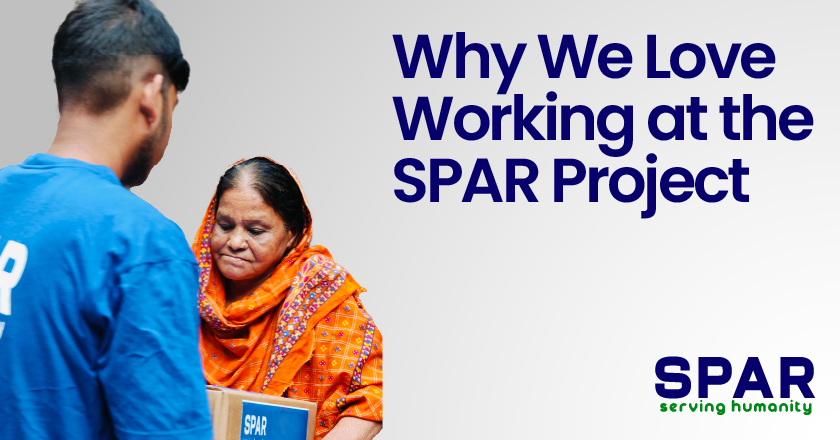
Why We Love Working at the SPAR Project?
We’ve been at this since 2009, and for us, it’s personal. We don’t just move numbers on a screen. Our local teams in Bangladesh are out there in the mud and the sun, delivering these packs directly to people’s doors.
We take photos. We talk to the families. We make sure every penny of your “Amanah” (trust) goes exactly where it’s supposed to. When you give through us, you’re part of a community that cares about doing things the right way—the transparent way.
Can I Give Fidya to Someone Who Has Passed Away?
This is such a kind thing to do. You can pay Fidya for a loved one who was too sick to fast before they died. It’s a beautiful way to honor their memory. It settles their religious debt and acts as a “Sadaqah Jariyah” (ongoing charity) that keeps giving them rewards even now.
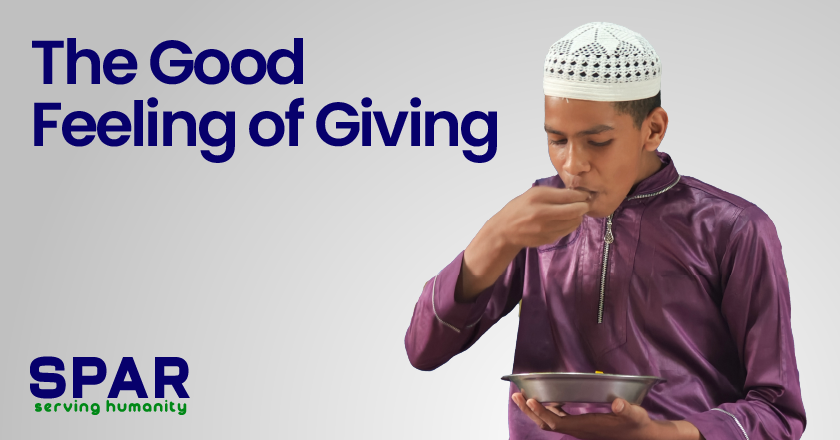
The Good Feeling of Giving
There’s a special kind of peace that comes from helping others. Even if you’re sad that you can’t fast this year, remember that your charity is feeding someone who might otherwise go hungry. That’s a massive win. You’re turning your struggle into someone else’s meal.
Ramadan is about more than just not eating; it’s about the heart. And giving is the best way to keep your heart connected to the Ummah.
How to Get Started Today
Ready to make your fidya donation? It’s super simple.
- Count your days: Is it the whole month or just a few days?
- Do the math: Multiply those days by $5.
It takes about two minutes, but the impact lasts a lifetime for a family in Bangladesh.
I’m pregnant—do I give Fidya?
Usually, you just make up the fasts later when you’re feeling better. You only give Fidya if you have a health condition that will always stop you from fasting.
Can I give my Fidya to my cousin?
If your cousin is truly in need and eligible for charity, then yes! It’s actually a great way to help family and earn extra rewards.
What if I pay Fidya and then get better next year?
That’s amazing! If you get your health back, you should try to make up the fasts. Your old Fidya stays as a wonderful Sadaqah in your records.
Is this procedure different from Fitra?
Yes! Fitra is a small amount everyone pays at the end of Ramadan. Fidya is only for those who couldn’t fast. Most people in similar situations will pay both Fitra and Fidya.
Does the money really go to Bangladesh?
100%. We have been working there for over 15 years. It’s where our heart is, and where your money does the most good.
Can I pay more than $5?
Of course! $5 is just the minimum to cover the basics. If you want to provide a “premium” food pack with extra supplies, we’d love to help you do that.
Is there a deadline?
Try to do it before Eid! It’s all about making sure the poor have food to celebrate with everyone else.


 Secure
donation
Secure
donation