


Facts About Zakat In Islam: Essential 2026 Ramadan Guide
Ramadan 2026 is almost here. It is a time for prayer, fasting, and giving. Many people look for facts about zakat islam to ensure they fulfill their duties correctly. Zakat is not just a donation. It is a mandatory act of worship for every eligible Muslim.
At the SPAR Project, we understand the importance of this pillar. We work hard to help you give your wealth to those who need it most in Bangladesh. This guide explains everything you need to know. We cover the rules, the rewards, and the impact of your generosity. By learning these facts, you can gain more barakah in your life and help the global Ummah thrive.
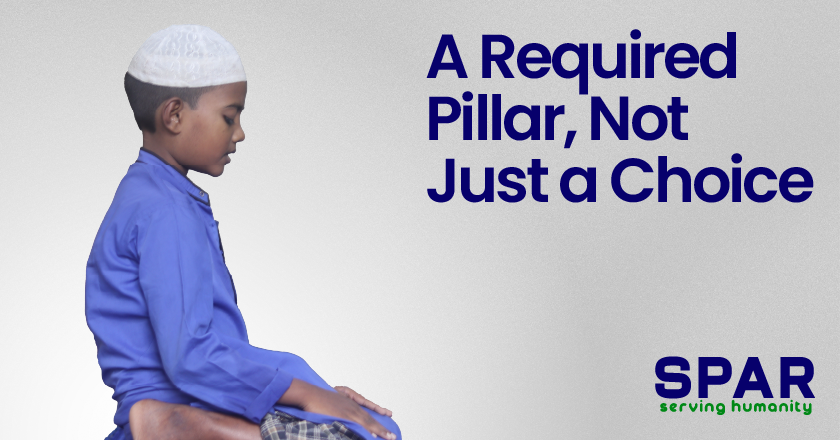
1. A Required Pillar, Not Just a Choice
Many people confuse Zakat with general charity. One of the primary facts about zakat islam is that it is a “Fardh,” or a mandatory duty. It is the third pillar of our faith. Allah (SWT) commands us in the Quran to establish prayer and pay Zakat.
If you meet the wealth requirements, you must pay it. It is a debt you owe to the poor. When you pay Zakat, you are not doing the poor a favor. You are simply giving them what Allah has already set aside for them in your wealth. This mindset shifts how we view our money. We see ourselves as managers of Allah’s resources, not just owners.
2. How Zakat Cleans Your Money
The word “Zakat” means “to purify.” This is one of the most beautiful facts about zakat islam. Giving a small portion of your wealth cleans the rest of it. Just as we wash our bodies to stay healthy, we must wash our money.
Greed can easily enter the human heart. We often want to hoard what we earn. Zakat breaks this habit. It teaches us to let go. By giving 2.5%, you remove the spiritual harm that comes with keeping money that belongs to the needy. This process invites “Barakah,” or divine blessings, into your life. You might find that your remaining 97.5% lasts longer and brings more peace than the full 100% ever could.
3. The Minimum Wealth Limit (Nisab)
You do not have to pay Zakat if you do not have enough money. The “Nisab” is the specific threshold of wealth. If your assets stay above this limit for a full year, you must pay.
Scholars base the Nisab on two measurements:
- Gold: 87.48 grams.
- Silver: 612.36 grams.
In 2026, gold and silver prices change every day. Most charities use the silver standard. This standard is lower. It allows more people to give and helps more people in need. If your total savings, jewelry, and business goods equal the price of 612.36 grams of silver, you are eligible to pay Zakat.
4. The One-Year Rule (Hawl)
Time is a giant factor in Islamic giving. You must hold the Nisab amount for one full lunar year. We call this time “Hawl.”
Imagine you reach the Nisab limit today. You do not pay Zakat immediately. You wait 12 lunar months. If your wealth stays above the limit during that year, you owe 2.5% of the total on your “Zakat Anniversary.” Many Muslims choose to set their anniversary during the last ten nights of Ramadan. They do so in order to catch the immense rewards of Laylatul Qadr. However, you can pay it at any time of the year once your Hawl is complete.
5. Who Receives Your Zakat?
Allah (SWT) ensured the distribution of Zakat was not random. He named eight specific groups of people in the Quran who can receive these funds. This is one of the most organized facts about zakat islam.
The recipients include:
- The Poor (Al-Fuqara): Those with very little or no income.
- The Needy (Al-Masakeen): Those who have some money but cannot meet basic daily needs.
- Zakat Collectors: The people who manage and distribute the funds.
- New Muslims: Those whose hearts need support in their new faith.
- People in Bondage: Historically, this term referred to slaves, but it is now often used to describe efforts to free individuals from modern slavery or debt traps.
- Debtors: People who cannot pay back their essential loans.
- For the Sake of Allah: People working for the community or spreading the faith.
- Wayfarers: Travelers who are stranded and need help to get home.
At the SPAR Project, we focus on the poor and needy in Bangladesh. We ensure your money goes directly to these Quranic categories.
6. What Items Should You Pay For?
You do not pay Zakat on everything you own. Your house, your car, and your daily clothes are exempt. These are your basic needs.
You pay Zakat on “growing wealth.” This includes:
- Cash in your bank or at home.
- Gold and silver jewelry or coins.
- Stocks, shares, and investment funds.
- Business inventory (items you plan to sell).
- Money that people owe you (if you are sure they will pay).
- Cryptocurrency and digital assets.
You calculate the value of these items on your Zakat date. Then, you give 2.5% of that total value.
7. Zakat on Modern Assets
The world has changed since the time of the Prophet (SAW). Today, we have Bitcoin, NFTs, and complex retirement plans. However, Islamic law is flexible. Experts have determined how Zakat applies to these new tools.
If you hold cryptocurrency as an investment, you pay 2.5% on its current market value. If you have a pension fund, you only pay Zakat on the portion you can access or the portion invested in tradeable assets. It is important to stay updated. Using a modern Zakat calculator makes this easy. It helps you stay accurate and honest in your worship.
8. Why Ramadan Multiplies Your Reward
Giving in Ramadan is a tradition of the Prophet Muhammad (SAW). He was the most generous person, but his generosity peaked during this holy month.
During Ramadan, Allah multiplies the reward for every good deed. An obligatory act like Zakat is rewarded 70 times more than usual. A voluntary act of charity (Sadaqah) earns the reward of an obligatory one. By paying your Zakat during our SPAR Project Ramadan campaign, you maximize your spiritual profit. You help a hungry family in Bangladesh break their fast. At the same time, you earn rewards that only Allah can fully count.
9. The Difference Between Zakat and Sadaqah
It is easy to get these two confused. Think of Zakat as your “Required Duty.” Think of Sadaqah as “Extra Love.”
- Zakat: Mandatory, 2.5% rate, once a year, specific recipients.
- Sadaqah: Optional, any amount, any time, can be given to anyone (including non-Muslims or animals).
Sadaqah is a way to show extra gratitude. It can be a smile or a small donation to a school. Zakat is the formal foundation of the Islamic social system. Both are vital for a healthy heart and a healthy community.
10. How SPAR Project Uses Your Zakat in Bangladesh
The SPAR Project takes your Zakat and turns it into life-saving action. Bangladesh faces many challenges. Natural disasters and poverty affect millions. We use your Zakat to create long-term change.
We don’t just give a one-time meal. We build deep tube wells for clean water. We sponsor orphans so they can stay in school. We provide medical aid to elderly people who have no one else. We also give small business grants to widows. This helps them earn their living and stop relying on charity. Your Zakat becomes a tool for empowerment. It moves people from being Zakat “receivers” to being Zakat “givers.”
11. Avoiding Common Zakat Mistakes
Accuracy is key. One common mistake is “guessing” your wealth. This can lead to underpaying your Zakat. Always check your bank balances and gold weights.
Another mistake is forgetting about business stock. If you own a shop, you must value your inventory at its current selling price. Some people also forget to deduct their immediate debts. You can subtract the money you owe for this month’s bills from your total Zakat-able amount. Being careful shows respect for the pillar of Zakat.
12. The Power of Zakat to End Poverty
If every wealthy Muslim paid their Zakat, global poverty would change overnight. Zakat is a system designed to spread wealth fairly. It prevents a few people from holding all the world’s resources.
When you contribute, you are participating in a global movement for justice. You are proving that the Ummah is like one body. When one part suffers, the whole body feels the pain. Your 2.5% might seem small to you. To a family in a rural village in Bangladesh, it is the answer to their duas.
Final Thought
Your Zakat is a powerful force for good. It purifies your soul and saves lives. As you prepare for the Ramadan 2026 campaign, keep these facts in mind. Use your wealth to build a bridge to Jannah. Let the SPAR Project help you deliver your Amanah to the people who need it most. Together, we can turn your religious duty into a legacy of hope and survival for the Ummah.
Can I give my Zakat to my wife?
No. You are already responsible for providing for your wife. You cannot give Zakat to people you are legally required to support. This list includes your parents, grandparents, children, and grandchildren.
Is Zakat required for my jewelry?
Yes, if it is gold or silver. Most scholars agree that if your jewelry exceeds the Nisab weight, you must pay 2.5% of its value every year. This condition applies even if you wear the jewelry regularly.
What happens if I forgot to pay Zakat last year?
You must pay it as soon as you remember. Zakat is a debt to Allah and the poor. Calculate what you owed for the missed year and pay it now to clear your record.
Can I pay Zakat to a charity that helps non-Muslims?
Zakat is specifically for the eight categories of Muslims mentioned in the Quran. For general humanitarian work that helps everyone, you should use your Sadaqah funds instead.
Do I pay Zakat on my retirement 401k or IRA?
Yes. However, the rules can be complex. You usually pay on the portion that you can withdraw, minus any penalties or taxes. It is best to use a specialized calculator for this.
Can I give Zakat to my brother or sister?
Yes. If your siblings are poor and qualify for Zakat, you can give it to them. In fact, giving to relatives who are in need earns a double reward: the reward of charity and the reward of keeping family ties.
Should I pay Zakat for the money I lent a friend?
If you are confident your friend will pay you back, you should include that amount in your Zakat calculation. If you think the money is lost and will never return, wait to pay Zakat on it until you actually receive it.


 Secure
donation
Secure
donation