

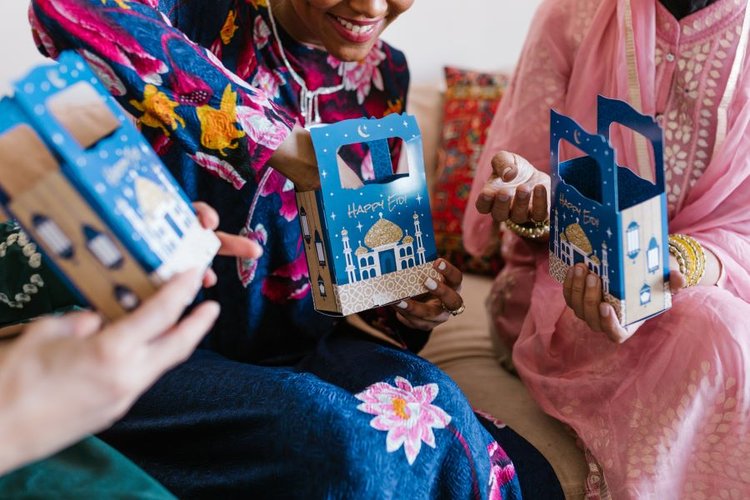
The Tradition of Eid Gift Giving: Celebrating Eid with Thoughtful Gifts
Eid is one of the most special occasions for Muslims around the world. It is a time for celebration, happiness, and togetherness. Giving gifts during Eid has become a beautiful tradition in many Muslim cultures. But what is the Islamic ruling on Eid gift-giving? Is it required or just a cultural practice? This blog will explore the religious perspective on gift-giving during Eid and why it is such an important part of the celebration.
The Tradition Of Eid Gift Giving
Eid is celebrated twice a year: Eid al-Fitr, which marks the end of Ramadan, and Eid al-Adha, which celebrates the completion of the Hajj pilgrimage and commemorates the willingness of Prophet Ibrahim (AS) to sacrifice his son in obedience to Allah.
On both of these occasions, Muslims around the world gather for special prayers, enjoy meals with their families, and exchange gifts. This tradition of gift-giving is a way to show love, respect, and care for others, particularly family members, friends, and the less fortunate.
Gift-giving during Eid is a cultural practice that has grown over time. It may vary depending on the country and the customs of the people living there. Some may give money, also known as Eidi, while others may give clothes, toys, or other items as gifts.
Is Giving Gifts On Eid Mandatory In Islam?
Islam encourages acts of kindness and generosity, but gift-giving on Eid is not obligatory (Fard). It is a permissible (Mubah) and praiseworthy act, meaning it is allowed and can bring rewards, but it is not something you must do. The Prophet Muhammad (SAW) encouraged Muslims to be generous and caring toward others, especially on special occasions like Eid.
The Prophet (SAW) himself used to receive and give gifts, and he encouraged others to do so as a way to strengthen bonds between people. There is a famous hadith where the Prophet Muhammad (SAW) said:
“Exchange gifts, as that will lead to increasing your love for one another.” (Al-Bukhari)
This hadith highlights the importance of giving gifts as a way to bring hearts closer together and increase love among people.
The Spirit Of Generosity In Islam
Islam places great emphasis on generosity and helping others, especially during times of celebration like Eid. Sadaqah (charity) and Zakat (the obligatory charity) are both important parts of a Muslim’s life, and giving gifts can be seen as a form of sadaqah because it brings happiness and ease to others.
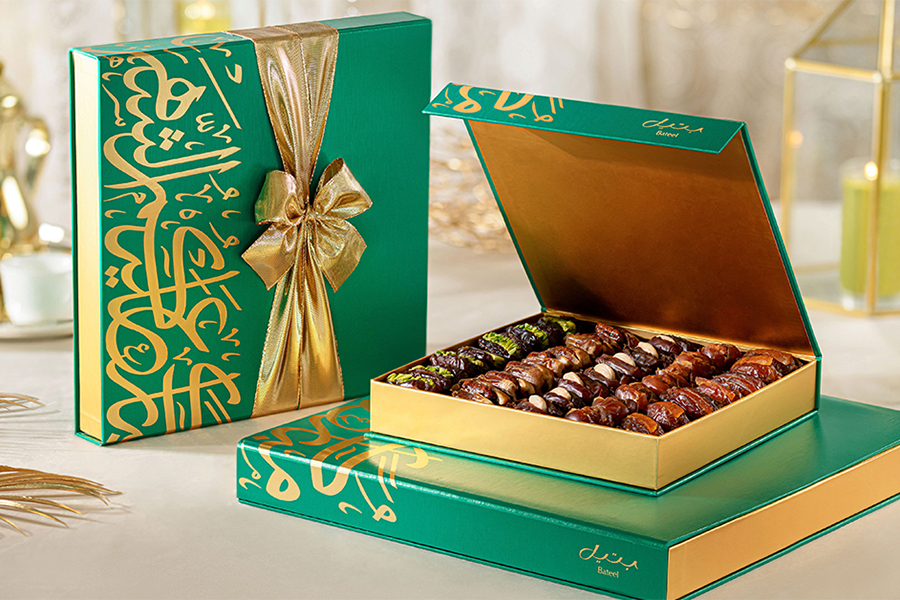
One of the key aspects of Eid is sharing. During Eid al-Fitr, Muslims are required to pay Zakat al-Fitr, which is a form of charity given to the poor before the Eid prayer. This ensures that everyone, including the less fortunate, can join in the Eid celebrations. This act of charity is a reminder of the importance of generosity, which is a key value in Islam.
Giving gifts on Eid can be an extension of this generosity, as it spreads joy and helps to strengthen relationships with family, friends, and the community.
Who Should You Give Gifts to on Eid?
While there are no strict rules about who should receive gifts on Eid, it is common for Muslims to give gifts to:
- Family members: Parents, siblings, children, and spouses are often the first to receive gifts. This strengthens the family bond and creates a sense of unity and love within the household.
- Friends: Giving gifts to friends is a way of showing appreciation for their friendship and making them feel valued.
- The poor and needy: One of the most important aspects of Eid is helping those who are less fortunate. Donating money, food, or gifts to those in need is a highly rewarding act and is encouraged in Islam.
- Children: Giving gifts to children during Eid, whether it be toys, clothes, or money (Eidi), is a way to make them feel special and excited about the holiday.
How Much Should You Spend On Eid Gifts?
Islam does not specify how much you should spend on gifts during Eid. The most important thing is the intention behind the gift. The Prophet Muhammad (SAW) said:
“The best of deeds are those that are moderate.” (Al-Bukhari)
This means that when giving gifts, you should only spend up to your means or go into debt just to give expensive presents. The value of a gift is not in its price but in the love, thought, and care that goes into giving it.

If you can afford to give a gift, do so within your capacity. Even a small, thoughtful gift can mean a lot to the person receiving it. What matters most is the act of giving itself and the positive feelings it brings.
Is It Better To Give Charity Or Gifts On Eid?
Both giving charity and giving gifts are highly encouraged in Islam, especially during Eid. However, if you have limited resources and must choose between the two, it is more important to give charity, particularly to those who are in dire need. Charity is a means of purifying one’s wealth and gaining blessings from Allah.
That said, if you are able to do both, you can give charity and also exchange gifts with family and friends. By doing so, you fulfill both the obligation of helping the needy and the beautiful tradition of making your loved ones happy.
The Etiquette of Giving Gifts On Eid
When giving gifts on Eid, it is important to follow certain etiquettes to ensure that the act of giving is done with the right intention and respect:
- Give with sincerity: Make sure that your intention in giving a gift is to please Allah and bring happiness to others. Avoid giving gifts just to show off or gain praise.
- Do not embarrass the recipient: If the person receiving the gift is not in a position to return a gift, make sure not to make them feel uncomfortable or embarrassed.
- Choose appropriate gifts: When selecting a gift, consider the needs and preferences of the person you are giving it to. A thoughtful gift is more meaningful than an expensive one.
- Avoid wastefulness: Islam teaches moderation in all things. While giving gifts is encouraged, it should be done in a way that does not involve extravagance or waste.
The Rewards Of Giving Gifts On Eid
While giving gifts is not a religious obligation, it is a highly rewarding act in Islam. Acts of kindness and generosity, especially during times of celebration like Eid, are beloved to Allah. The rewards for giving gifts include:
- Strengthening bonds: Gifts help to strengthen relationships with family, friends, and the community. This creates a sense of unity and harmony, a key goal of Eid celebrations.
- Spreading joy: By giving gifts, you bring happiness and joy to others, which is a noble act in the eyes of Allah.
- Gaining rewards: Allah rewards acts of kindness, and giving gifts with pure intention can bring you blessings and rewards in this life and the Hereafter.
Conclusion
In conclusion, the ruling on Eid gift-giving in Islam is that it is a permissible and praiseworthy act but not obligatory. It is a beautiful tradition that spreads joy, strengthens bonds, and reflects the spirit of generosity central to Eid celebrations. Whether you give gifts to family, friends, or the less fortunate, the most important thing is the intention behind your act of giving. Eid is a time for Muslims to come together, share in the blessings of Allah, and spread happiness to those around them. Giving gifts is just one way to do that, and it is an act that is highly encouraged in Islam for the love and unity it brings to the community.

 Secure
donation
Secure
donation