

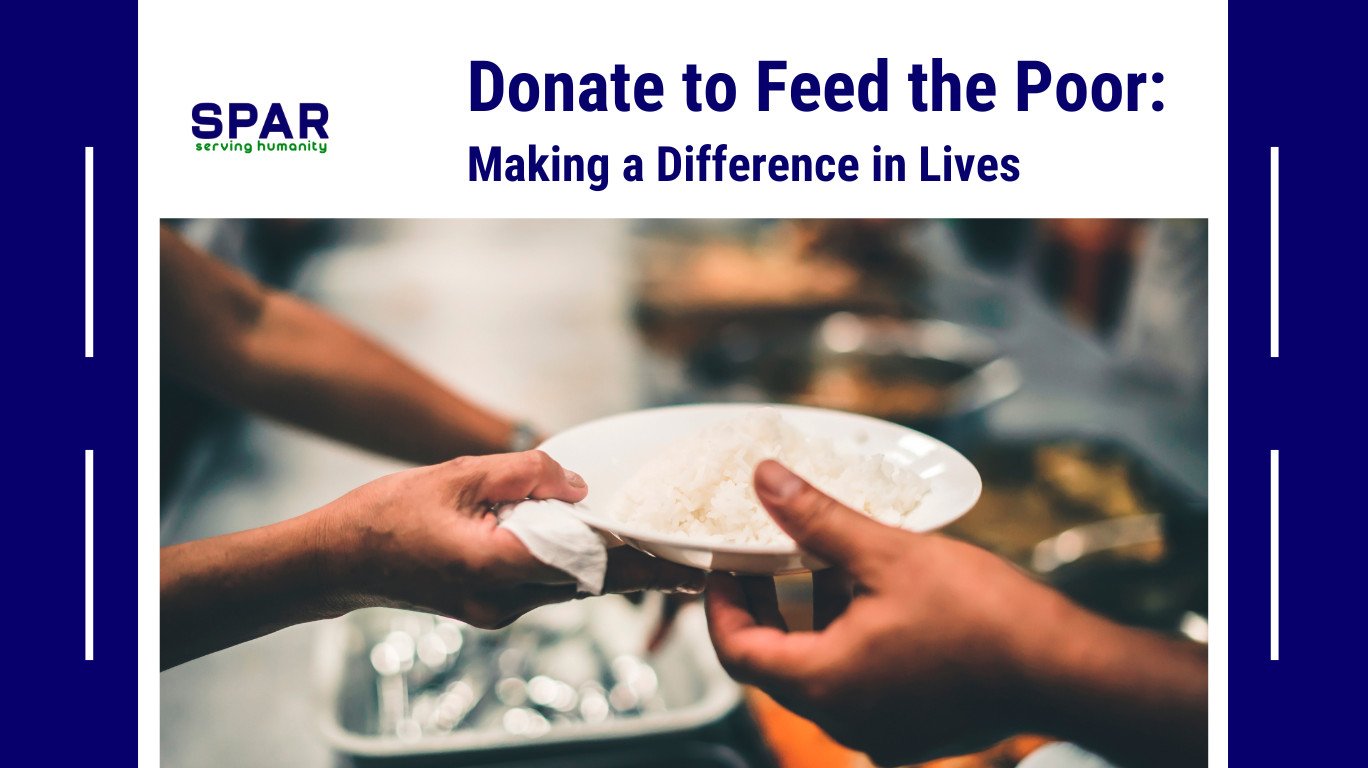
Donate to Feed the Poor: Making a Difference in Lives
Food is a central human unitary yet millions of people struggle daily to approach nutritive meals. Poverty, conflict, climate change, and lack of resources contributed to food shortages worldwide. Donating to feed the poor addresses these challenges by providing prompt secondary and supporting semi-permanent solutions. By donating, you are joining the fight against hunger, creating a riffle gist of convinced exchange that benefits both individuals and intact communities.
Why is Donating to Feed the Poor Important?
Food is a fundamental human necessity, yet millions of people face daily challenges in accessing nutritious meals. Poverty, conflict, climate change, and lack of resources contributed to food shortages worldwide. Donating to feed the poor addresses these challenges by providing prompt secondary and supporting semip-ermanent solutions. By contributing to the fight against hunger, you are contributing to a ripple effect of positive exchange that benefits both individuals and intact communities.
How Your Donations Help Combat Hunger
1. Immediate Relief for Families in Need
One of the primary motivations for donating to feed the poor is the immediate support it provides to struggling families. Your contributions allow charities and food banks to allow meals to those who could not give them, as well as alleviating thirst and providing hope for a better future.
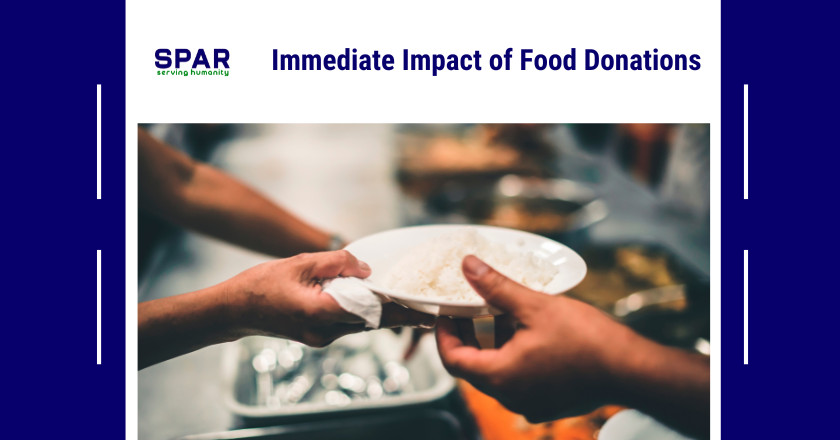
Immediate Impact of Food Donations
- Meals for Families: Every donation translates into meals that directly support people in crisis, reducing immediate hunger.
- Health and Well-being: Access to food improves physical and mental health, enabling children to focus on education and adults to work effectively.
- Hope and Stability: Knowing where their next meal is coming from provides families with a sense of constancy and reduces the accent associated with food insecurity.
2. Long-Term Solutions to Hunger
hile prompt food donations are crucial, addressing the root causes of thirst is as important. Many organizations focus on property solutions, such as rural programs, food education, and economic development. By supporting these initiatives, you contribute to the development of self-sufficient communities that may eventually face poverty and hunger.
How Donations Support Sustainable Solutions
- Agricultural Support: Donations can fund farming tools, seeds, and training for communities, helping them grow their own food.
- Nutrition Education: Educating families on square food choices improves semip-ermanent wellness outcomes.
- Economic Empowerment: Some programs focus on skill growth and job creation, enabling people to earn lasting incomes and fix food for themselves and their families.
3. Supporting Vulnerable Populations
Children, the elderly, and those living in underprivileged communities were particularly affected by hunger. When you donate to feed the poor, your contributions often target these groups, providing important concentration where it’s most needed.
Why Vulnerable Populations Need Extra Support
- Children’s Development: Adequate lamentation is the base for cognitive and real growth in children. Hunger could touch a child’s academic and ethnic development.
- Elderly Support: Providing nutritious food to older adults, who often have fixed incomes, can be challenging, particularly in regions with high living costs.
- Marginalized Communities: Many impoverished communities lack access to food stores or have limited income opportunities, making food shortages an ongoing issue.
4. Fostering Global Solidarity
Hunger affects people worldwide, and donating to feed the poor could surrogate a sense of rounded unity. Supporting transnational food programs strengthens cross-border connections and reminds us of our shared humanity.
Benefits of Global Support for Hunger
- Promotes Peace: Alleviating thirst could declare struggle in regions where food scarceness leads to tension.
- Strengthens Economies: Feeding wishful populations contributes to a healthier as well as more reproductive workforce, which could meliorate local economies.
- Encourages Compassion: Global efforts to end thirst make an assimilation of empathy and encourage others to join the cause.
How to Donate to Feed the Poor
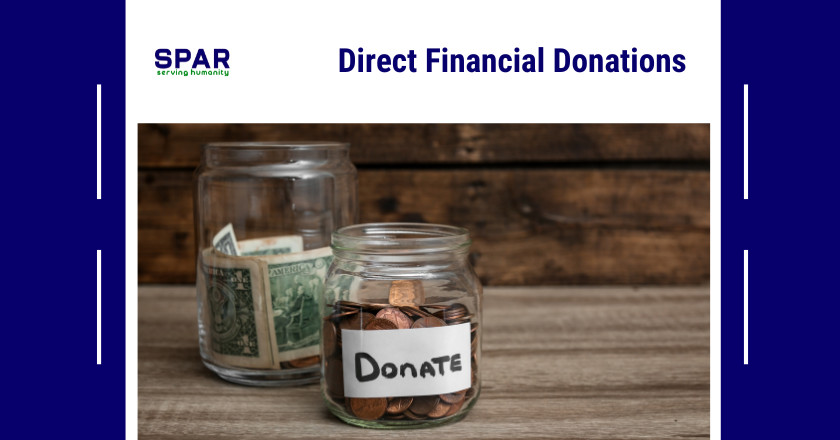
1. Direct Financial Donations
Making a financial contribution was often the easiest and most effective way to focus on charities that feed the poor. Many reputable organizations offer the option to set up monthly or one-time donations, which can significantly boost support.
Top Charities to Consider
- World Food Program (WFP): provides emergency food aid worldwide.
- Feeding America: Distributed food finished an entanglement of food banks across the United States.
- Action Against Hunger: This initiative concentrates on providing semi permanent solutions to alleviate hunger in severely affected regions.
2. Donate Food and Supplies
If you opt for a more active approach, consider donating nonperishable food items to local food banks or shelters. We always appreciate donations of canned goods, dried food, and hygiene products, which can significantly impact the lives of numerous individuals.
Tips for Food Donations
- Check Expiration Dates: make sure that donated items are still fresh and safe to consume.
- Focus on Nutritious Foods: Protein-rich items like beans, canned meat, and groundnut butter were exceedingly beneficial.
- Donate Essential Supplies: Hygiene products, baby formula, and folk items were also in high demand.
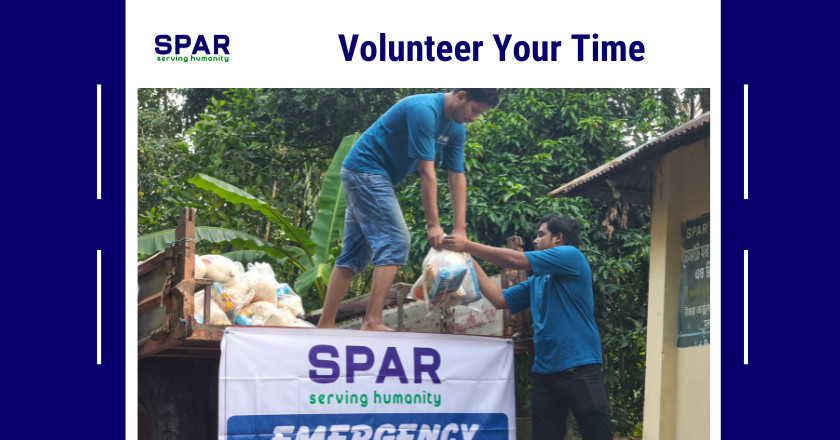
3. Volunteer Your Time
Volunteering is a meaningful way to contribute to the cause. Food banks, soup kitchens, and benevolent organizations often need volunteers to distribute meals, sort donations, or organize events. By donating your time, you became two-dimensionally involved in the fight against hunger.
Ways to Volunteer
- Help at Local Food Banks: Assist in sorting,’ packing, and distributing food to families in need.
- Cook Meals at Shelters: Some shelters get volunteers to grow meals for residents.
- Support Fundraising Events: Help organize or elevate events that raise funds for thirst secondary programs.
4. Host a Food Drive
Consider organizing a food drive in your neighborhood or working to gather donations for local food banks. This collective effort brings people together, raises awareness, and could result in physical food collections for those in need.
Steps for a Successful Food Drive
- Partner with Local Organizations: Reach out to food banks to determine the most essential items.
- Promote the Event: Use ethnic media, flyers, and orals to increase participation.
- Make it a Recurring Event: Hosting firm food drives ensures ongoing focus for your chosen charity.
How much should I donate to make a difference?
Even small donations could make a big impact. Charities could allow single meals with just a few dollars. Consider starting with a sum that fits your budget and increasing it over time.
Which charity is best for feeding the poor?
Look for respectable organizations, like Feeding America, the World Food Program, and local food banks. Find a charity that resonates with you by researching its mission, transparency, and touch.
Can I donate fresh food?
Most food banks primarily accept non-perishable items. However, some local organizations took fresh produce, so check with them before donating.
Are donations to feed the poor tax-deductible?
Yes, donations to registered charities were loosely tax deductible. Verify the regulations in your area and confirm that your local tax authority has recognized the charity.
Can I help feed the poor without donating money?
Yes, there are quantitative ways to help without giving money, such as volunteering, hosting food drives, and spreading awareness. These efforts also significantly contributed to the fight against hunger.
Final Thought
When you donate to feed the poor, you’re not only providing meals but hope, health, and the chance for a better future. With a range of ways to give, from financial donations to volunteering, every contribution counts. Together, we can work towards ending hunger and creating a world where no one has to go to bed hungry. Whether it’s a small monthly donation or a day spent volunteering, your actions make a difference.


 Secure
donation
Secure
donation