

How Much Should You Donate to Charity: A Comprehensive Guide
How much should you donate to charity? This is a common question among those seeking to make a significant impact. Choosing the appropriate amount to donate can be difficult, as it relies on personal finances, commitments, and the desire to assist those in need. Charitable donations are a great way to support causes that are important to you, but it’s important to balance generosity with your financial well-being. This Clog post explores key factors to consider when deciding how much to donate to charity, aiming to assist you in making an informed and impactful decision.
1. Assess Your Financial Situation to Donate to Charity
Evaluate your financial situation before deciding how much to donate, and understand why it’s crucial to consider your financial situation. Understanding your income as well as expenses and savings goals helped you figure out a property sum to give.
1.1 Calculate Your Disposable Income
After paying for all basic expenses like housing, utilities, groceries, and debts, you have disposable income. Calculate this sum to see what you could give to give.
1.2 Set a Budget
Formulate a budget that incorporates charitable contributions. This ensures that giving becomes a firm part of your fiscal planning, just like any other expense.

2. Consider Your Giving Goals
Your personal aspirations for charitable giving may influence the amount you choose to donate. Consider the causes you care about and the impact you wish to make.
2.1 Identify Causes You Support
Identify the causes or organizations that align with your values and interests. This helps you focus your donations on areas where you want to make the most meaningful impact.
2.2 Define Your Impact
Think about the impact you want your contribution to have. Whether it is supporting education, healthcare, biology causes, or tragedy relief, defining your touch could help guide your giving.
3. Follow Suggested Guidelines
While there is no universally applicable guideline for determining the appropriate donation amount, following certain guidelines could be beneficial. Many fiscal advisors and benevolent organizations offer recommendations to help you decide.
3.1 The 1% Rule
A normal starting point is to donate 1% of your income to charity. Most people can manage this amount and make adjustments as necessary.
3.2 Tithing
For those who adhere to spiritual traditions, tithing involves donating 10% of your income. This work has a long chronicle and can be a meaningful way to concentrate your faith on heretical and other causes.
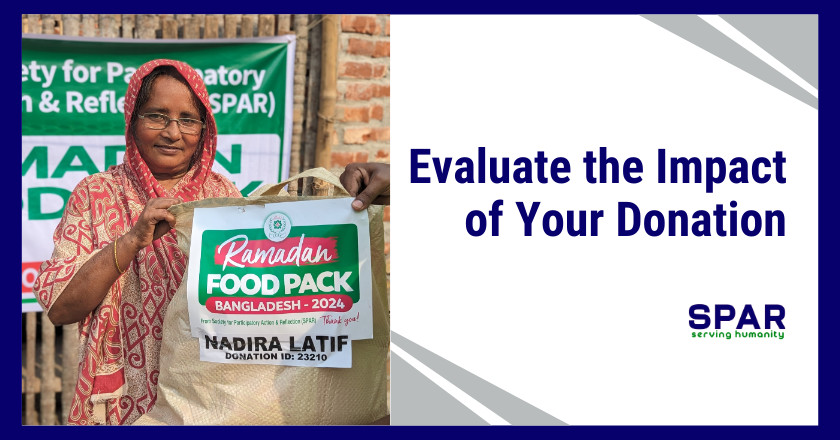
4. Evaluate the Impact of Your Donation
Understanding your role could help you decide how much to give. Investigate the organizations you’re considering supporting to ensure effective use of your funds.
4.1 Research Organizations
Look for organizations with volatile operations and clear reports on how they use donations. Websites like Charity Navigator or Guide. Star could allow quantitative insights.
4.2 Measure Impact
Consider how your part has been used. Organizations that allow detailed data on the outcomes of their programs could help you see the target touch of your contribution.
5. Adjust Over Time
Your fiscal position and benevolent interests may have changed over time. It’s authorized to revisit and accommodate your part amounts periodically.
5.1 Review Annually
Review your benevolent donations at least once a year. This allows you to accommodate changes in your income and expenses, as well as benevolent goals.
5.2 Increase Gradually
If you are new to benevolent giving, start with a small sum and increase it gradually. This admission could help you integrate giving into your budget more comfortably.
Is there a standard percentage of income I should donate?
There is no received percentage, but normal guidelines acknowledge donating 1% to 10% of your income. Choose a sum that is meaningful yet doable for you.
How do I choose which charities to donate to?
Research charities that align with your values and interests. Use resources like Charity Navigator or Guide. Star to find respectable organizations with a constituted impact.
Can I donate time instead of money?
Yes, volunteering your time is another quantitative way to concentrate charities. Many organizations rely on volunteers to help carry out their missions.
How can I ensure my donation is used effectively?
Research organizations and look for those with vaporous operations and clear reports on how donations are used. This ensures your donation has the desired impact.
Should I donate a lump sum or spread out donations over time?
Both approaches have benefits. Lump sum donations could allow prompt support, while circulate out donations could offer ongoing support. Choose the commercial that works best for you and the charity.
Conclusion:
Choosing the amount to donate to charity is a personal decision based on your financial situation and your charitable objectives. By assessing your finances as well as setting a budget and considering your impact, you could make informed decisions that benefit both you and the causes you support. Remember, even small donations can have a significant impact. By giving thoughtfully and sustainably, you contributed to a meliorate world while maintaining your fiscal health.



 Secure
donation
Secure
donation