

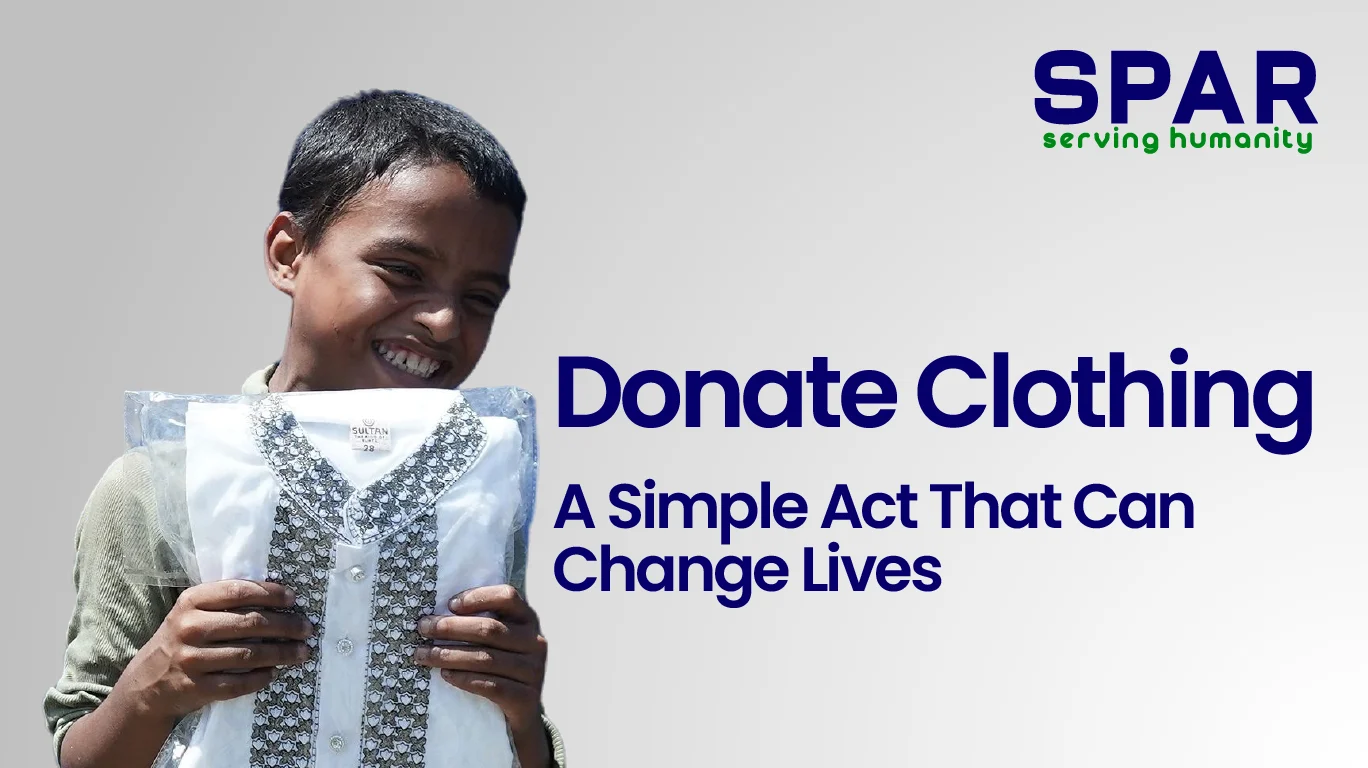
Donate Clothing: A Simple Act That Can Change Lives.
When you give clothes away, you’re not merely creating closet space—you are offering someone warmth or confidence or hope at a time of crisis. In the end, millions of people either live without school or work or just get by. Donate clothing can help close this gap.
A shirt, a jacket, or a pair of shoes that you donate can change someone’s life. It’s a small payoff with a big impact. When you donate clothes, you are not only aiding the planet but also decluttering landfills and spreading kindness.
We will discuss the significance of these gifts, how to give one, and how kindness can benefit communities.
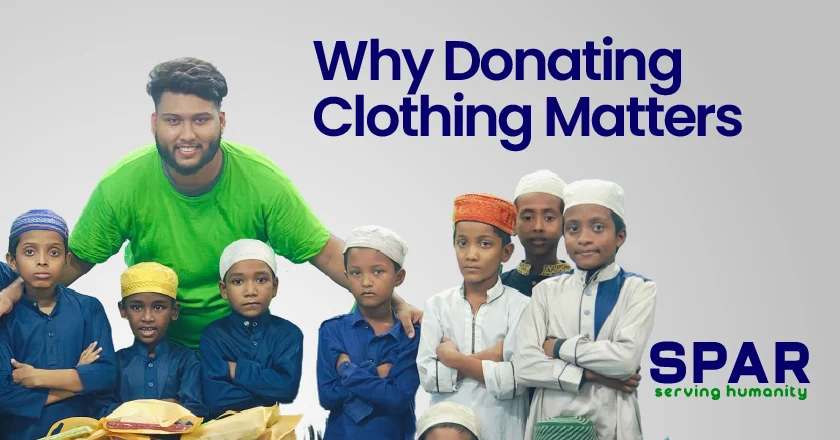
Why Donating Clothing Matters.
Clothing can be one of the most direct, immediately impactful ways to help. It’s not that expensive, but it also gives a lot of value to other people.
It Helps those in Need.
When you donate clothes, what you’re really doing is trying to support a family somewhere, the orphan on the street in your neighborhood, and that refugee who has nothing; everyone at some point needs shelter. For many, these clothes mean safety and comfort. Nothing beats a warm coat on chilly evenings to keep the chill at bay. School Uniforms A school uniform might make a child approach her day with more determination: she’s suited up for work.
It Reduces Waste.
Billions of tons of clothing wind up in landfills annually. Most are still wearable. Donating clothing instead of throwing it away reduces waste and pollution, benefiting the planet. You are recycling your clothing.
It builds community.
There are community clothing drives and donation events, opportunities to move people. They are a testament to how each and every one of us is connected to one another—and that generosity can make communities stronger.
It Feels Good.
There’s an antidote to this, and it involves helping others. In this, you know your clothes are being taken and put to use—not squandered. The outcome will definitely make you better and happier.
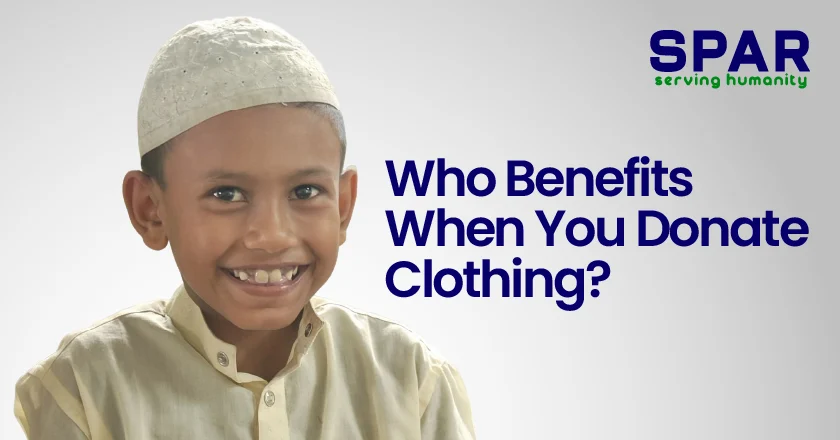
Who Benefits When You Donate Clothing?
More people benefit from your donations than you probably realize. Every article of clothing can connect several lives.
Families and Children.
New clothes are often beyond the financial reach of most families. When you donate clothes, you provide parents with respite and children with warmth. Neat, clean clothes help them feel included and confident at school.
Refugees and the Homeless
“Many of these are people who’ve fled their homes,” Sigal said, “or people living on the streets, who have nothing but the clothes on their back.” Your contribution allows them to stay warm and safe and to retain hope.
Job Seekers and Students:
A good outfit can make or break a person’s fate. Donations allow people to participate in job interviews, school events, or skill-building programs with dignity.
Charities and Nonprofits.
When you donate clothing to reputable organizations like the SPAR Project, you’ll be helping them reach more people in need. They rely on your modest gift to fulfill their mission of helping the poor.
The Environmental Impact of Donating Clothes.
The fashion industry is one of the world’s largest polluters. Every new shirt and pair of pants requires a significant amount of water, energy, and chemicals to produce. When we ditch our clothes, they end up in landfills, where they hang around, seemingly, except for a pair of denim—forever.
When you donate clothes, you help break this cycle.
You Save Natural Resources.
When we reuse clothes, fewer new items need to be produced. That saves cotton, water, and fuel.
You Reduce Pollution.
Manufacturing clothes creates carbon emissions. You reduce your carbon footprint by keeping your clothes in use for longer.
You Promote Sustainable Living.
You can reduce your carbon footprint by donating your clothes. I have taught others about the importance of reusing and recycling. It’s a move in the direction of a thoughtful, eco-friendly way of life.
In other words, “clothing donation doesn’t just have to be charity,” he said; it can also be a sustainable choice.
How to Donate Clothing the Right Way.
Donating is simple, but doing it right really counts.
Sort and Inspect Your Clothes.
Go through your closet. Select pieces that are still in good condition. Refrain from donating anything ratty, stained, or damaged.
Clean Before Donating.
First, it will wash, dry, and fold your clothes. It is a matter of respect for the people receiving them.
Organize by Type.
Differentiate between men’s, women’s, and children’s attire. That makes sorting and distributing easier on the charity.
Pack neatly.
Use bags or boxes. Label them with what’s inside—say, “Children’s Clothes” or “Winter Coats.”
Choose a Trusted Charity.
Work with groups that are clear about where the money is going. The SPAR Project ensures that nothing languishes in the storage room.
Deliver or schedule pickup.
You can donate clothes at its drop-off centers, and in some circumstances, you can schedule a charity clothes pickup. This is a time-saver and makes it easier for the charity to collect.
Where to Donate Clothing Near You.
The right address matters if you want your donation to count.
Local Charities and Shelters.
Donations of clothing are generally accepted at community shelters, mosques, and churches. They go straight to families and people who need them.
Donation Bins
for local people for second-hand items. Many areas contain clothing bins for used clothes. They are fast and easy choices for busy people.
Nonprofit Organizations
Organizations you trust, such as SPAR Project, do nothing but work to collect, sort, and hand out donated clothing. They ensure that your information reaches the right people.
Online Donation Programs.
Now you can donate clothes without leaving home. Some platforms allow you to schedule pickups or mail your donations.
Clothing Drives:
Participate in a clothing drive or organize your own in your community. Ask friends, schools, and local businesses to join. It’s also a cool way to take some of the goodness of giving and make it social.
What Happens After You Donate Clothing?
Have you ever wondered what happens to your clothes after you donate them? Here’s what usually takes place:
- Organizing—Donations are categorized by type and size, then sorted by condition.
- Final Wash and QC – Past the final wash, post-inspection for quality.
- Distribution—Clothes are delivered directly to families of refugees or partner organizations.
- Recycling—Unwearable items are turned into rags or raw materials.
Our gift is always put to use in the end—worn again or repurposed.
Common Mistakes to Avoid When Donating Clothes.
People sometimes donate with the best intentions, but they make mistakes. Here’s how to avoid them:
- Don’t donate damaged items. You wouldn’t wear it; they shouldn’t have to, either.
- Don’t give unwashed clothes. Cleanliness matters.
- Avoid dumping. Donations should be mindful, not just intended to make space.
- Don’t ignore local needs. There are some places where you should collect specific items—such as winter clothes or school uniforms.
- Avoid donating in plastic bags. Use earth-friendly or reusable grocery bags whenever possible.
With just a little care, you can ensure that your donation is truly helpful.
The Emotional and Spiritual Side of Giving.
There are emotional and even spiritual advantages to giving. When you donate clothing, it is an expression of gratitude and a demonstration of empathy.
You Feel Lighter.
The act of clearing space accomplishes more than simply reducing stress and creating a sense of peace. You are removing unnecessary items and giving them a new purpose.
You Inspire Others.
Acts of kindness spread quickly. Open your wallet, and people are likely to follow suit.
You Build Empathy.
It’s a reminder of what actually matters—helping others, not hoarding things.
You Gain Spiritual rewards.
Charity is a noble action in many faiths. Giving is a reciprocal exchange of blessings and peace.
How SPAR Project Makes Donating Easier.
SPAR Project is no typical charity—it’s a movement of compassion.
Your donated clothing from the SPAR Project Donation Service will go in the right direction. The organization takes pride in its transparency, impact, and community engagement.
SPAR Project phones up clothes, gathers calls, and takes them to the door of struggling families and refugees. And we treat each donation with care and respect.
You can also donate online or arrange for a pickup with staging.sparproject.org/. It’s simple, secure, and impactful.
How Clothing Donations Build a Better World.
Every single thing you donate equals a cycle of goodness.
- It uplifts individuals. A pair of socks can rescue someone from the cold.
- It strengthens families. Parents breathe easier when they can dress their kids.
- It supports charities. Nonprofit organizations need your donations to reach more individuals.
- It saves the planet. The fewer clothes that are in our landfills, the healthier our Earth.
Donating old clothing might seem like a small act to take in the face of planetary scales, but it’s an act that contributes significantly to making a kinder world.
Quick Guide: How to Start Donating Today
Choose a day this week to sort through your wardrobe.
- (For what it’s worth, anything you haven’t worn in the last year should be on its way to Goodwill.)
- Wash and fold them neatly.
- Look up some local charities, or go to SPAR Project.
- Drop off your clothes or arrange for a pickup.
- Let a friend know or post online to motivate others.
Every small step counts. The more people who donate clothes, the more lives we can transform together.
Final Thought:
When you donate clothing, you aren’t just donating fabric; you are sharing dignity, warmth, and hope. You are helping someone rebuild their confidence and giving them a reason to smile.
So before you discard that old jacket or shirt, consider the good it could do. Pack it up. Share it. Let it come alive again in someone who can truly use it.
Visit staging.sparproject.org/ and start your clothing
What sort of clothing can I donate?
You’ll be able to donate all types—casual wear, school uniforms, work clothes, coats, shoes, and accessories—as long as the items are clean and in good condition.
Can I give damaged or old clothes?
Only provide the clothes that can still be worn. Charities frequently have to pay out money to get rid of unwearable clothes.
What is the process for handling clothing donations at SPAR_Project?
SPAR Project screens your donations and delivers them directly to families, refugees, and the homeless.
Can I donate clothing online?
Yes. Visit sparproject.org to schedule a charity clothes pickup or fund a donation drive.
Why should I donate instead of selling?
Selling gives short-term gain. Giving has long-term value—it helps people, reduces waste, and brings blessings.
Is donating clothes tax-deductible?
In many countries, yes. Save a donation receipt from the charity to use come tax time.
How often should I give away clothes?
It is a beneficial habit to reproduce and to arrange your closet every six months. If you haven’t worn something in a year, it’s time to move on.


 Secure
donation
Secure
donation