

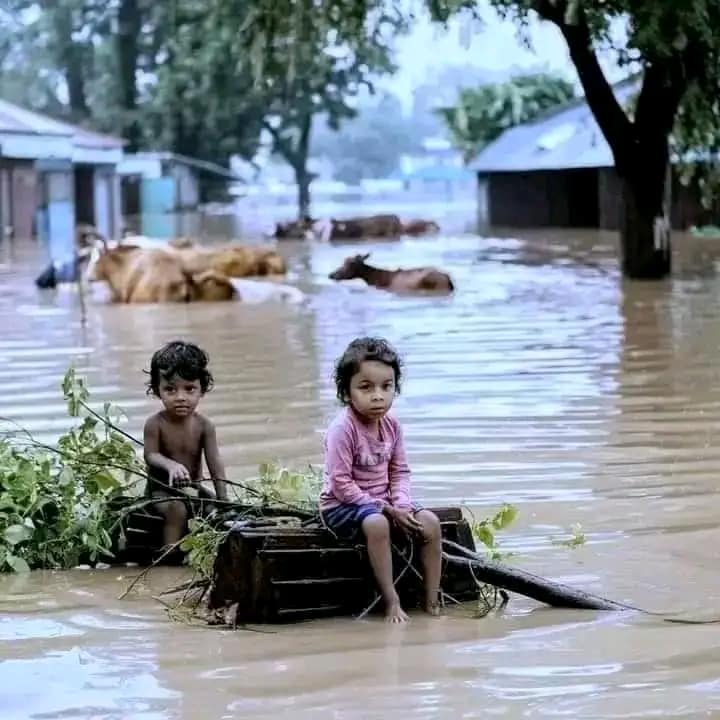
What are the Causes of Floods in Bangladesh? Let’s Know Now
Bangladesh is one of the countries suffering from frequent natural disasters, with floods hitting millions of people every year. The country of low-lying deltas, formed by the Ganges, Brahmaputra, and Meghna rivers, is especially susceptible to floods.
Knowing why these floods happen is important in preventing their effects and saving the humans struggling all over.
In this blog, we are going to give insight into the main reasons and causes of flooding in Bangladesh, including natural factors as well as human actions/backgrounds.
Geographical Location
Again, a country with geographical factors similar to Pakistan and India is prone to floods, as Bangladesh is situated at the lower course of the Ganges. Major rivers surround it, including the Ganges, Brahmaputra, and Meghna.
The rivers are full of water from the Himalayas, and during the monsoon season, these angrier bulkheads can merge into one another. Meanwhile, the fact that some 80% of this nation lies under ten meters above sea level does not help matters. Thus, the floodwaters can have a far wider surface to spread.
Monsoon Rains
The country experiences heavy rainfall almost every year from June to September, known as Bangladesh’s monsoon season. In any given year, the rains may be less or more intense and over a shorter or longer period; however, they often lead to catastrophic flooding.
With the heavy rain, rivers can become overfilled, and in some cases (including Dhaka), so much rainfall falls that it essentially outpaces drainage’s ability to work properly— urban flooding.
The rains are both welcomed and necessary (they form part of the region’s annual monsoon), but if they pack more force than usual, it can spell disaster in terms of floods.
Cyclones And Storm Surges
Pre-monsoon and post-monsoon conditions in Bangladesh are cyclone-affected. It is feasible that these significant wind storms will pack torrential rains, causing rivers to flood, and inundating coastal localities with storm surges. A storm surge is the elevated ocean water level due to low pressure and high winds, which are cyclone phenomena that cause catastrophic flooding in coastal areas.
With cyclones come not only immediate flooding but also the long-term issues of riverbank erosion and destruction of infrastructure, which can exacerbate floods into future.
Riverbank Erosion
When sea levels rise and land sinks, riverbank erosion is the most damaging factor, contributing to large-scale flooding in lower riparian Bangladesh. Rivers in the nation are shifting at a rate, eroding and depositing banks and altering river channels.
However, human activities such as deforestation and sand mining accelerate the process. A riverbank failure can suddenly result in a significant increase in flooding downstream, displacing communities and inundating arable land.
This also creates space in rivers to accumulate more water, which may get dangerous for lives during monsoon, reducing the flood resource potential of mega-rivers
Glacial Melting
The melting glaciers in the Himalayas are one more reason Bangladesh gets flooded. Glaciers are melting more quickly and feeding many of Bangladesh’s rivers with global temperatures on the rise due to climate change. These water-plus monsoon rains can also cause ground flooding.
The long-term issue is glacier melting, which will only increase in severity over time, resulting in more frequent and devastating floods.
Deforestation
Soto de Genea and another settlement, where authorities say the progress of the fires has been stopped but warn that various hours are left for the wildfire to reach a third suburb. Woodland and environmental elements play a significant part in taking rainwater and thereby preventing cramming.
Clearing forests for agriculture, logging, or urban development removes land cover that previously absorbed precipitation and slowed runoff to rivers.
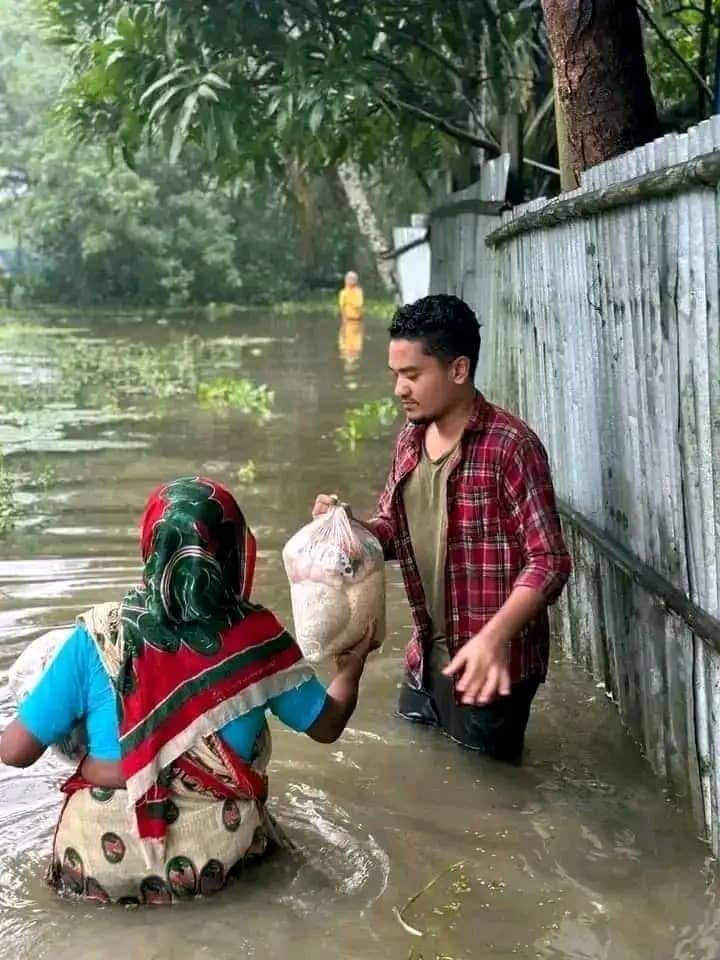
Greater runoff can raise rivers and flood Bangladesh. Floods can be mitigated through reforestation and sustainable land management practices.
Poor Drainage Systems
Poor drainage systems combine high rainfall intensity to cause flooding in thousands of areas, which is a regular phenomenon, particularly in urban Horizon regions in Bangladesh.
Urbanization has been rapid in parts of the country, but many still need to build when constructing roads and buildings. Therefore, standing water can seldom be more than an hour away with even minor rainfall断acency flooding.
The absence of effective drainage systems in rural areas leads to prolonged receding time, which causes communities and agriculture to remain under floods for a longer period.
Human Activities And Land Use
A variety of human activities in Bangladesh– from agriculture to industrialization and urbanization, have changed the originality of how most natural aspects existed, mainly leading it to be more prone to floods.
This, for example, in the upstream construction of dams and barriers can disturb natural river flow due to flooding getting bigger on the lower reaches.
Wetlands and floodplains are converted similarly to increase agricultural production, which decreases the capacity of these areas to absorb excess water during floods.
Unplanned and unregulated land use and the construction of buildings in flood zones only enhance the community’s vulnerability to floods.
Climate Change
Climate change is a significant factor contributing to the increasing frequency and severity of floods in Bangladesh. Rising global temperatures are leading to more intense and unpredictable weather patterns, including heavier monsoon rains and more frequent cyclones. Sea levels are also rising, which increases the risk of coastal flooding.
Climate change also exacerbates other factors that contribute to floods, such as glacial melting and riverbank erosion. Addressing the impacts of climate change is essential to reducing the risk of floods in Bangladesh.
Sedimentation In Rivers
Sedimentation, or the accumulation of silt and debris in rivers, is another cause of flooding in Bangladesh. The rivers that flow through the country carry large amounts of sediment from the Himalayas, which is deposited in the riverbeds. Over time, this sediment builds up, reducing the capacity of the rivers to hold water.
When the riverbeds are filled with sediment, even moderate rainfall can cause the rivers to overflow, leading to floods. Dredging, or the removal of sediment from riverbeds, is one way to reduce the risk of floods, but it is a costly and temporary solution.
Lack Of Flood Management Infrastructure
Bangladesh has made significant progress in building flood management infrastructure, such as embankments, dams, and flood shelters. However, there are still many areas where such infrastructure is lacking or inadequate. In some cases, existing infrastructure is poorly maintained or damaged, making it less effective in preventing floods.
Improving and expanding flood management infrastructure is essential to protecting communities from the devastating impact of floods.
Population Growth And Urbanization
Bangladesh’s rapidly growing population and urbanization have increased the pressure on land and resources, contributing to the problem of flooding. As more people move to cities, there is a greater demand for housing and infrastructure, leading to the expansion of urban areas into flood-prone regions.
Urbanization also leads to the paving of surfaces, which reduces the land’s ability to absorb rainwater, increasing the risk of flooding. Managing urban growth and ensuring that new developments are built with flood resilience in mind are crucial steps in reducing the risk of floods.
FAQ
What Are The Main Causes Of Floods In Bangladesh?
Heavy monsoon rains, overflowing rivers, cyclones, and melting glaciers in the Himalayas are the main causes of floods in Bangladesh.
Why Does Heavy Rainfall Lead To Floods In Bangladesh?
Heavy rainfall, especially during the monsoon season, overwhelms rivers and drainage systems, causing them to overflow and flood surrounding areas.
How Do Rivers Contribute To Flooding In Bangladesh?
Many large rivers, like the Ganges, Brahmaputra, and Meghna crisscross Bangladesh. When these rivers swell due to excess water from rains or upstream sources, they overflow their banks, leading to floods.
Can Human Activities Increase The Risk Of Floods In Bangladesh?
Activities like deforestation, poor urban planning, and construction in flood-prone areas can reduce the land’s natural ability to absorb water, increasing the risk of floods.
Are Cyclones A Cause Of Flooding In Bangladesh?
Yes, cyclones can cause severe flooding in Bangladesh, especially in coastal areas, by bringing heavy rains and storm surges that inundate large areas.
Conclusion
There are many causes of floods in Bangladesh. Floods can happen in a combination of natural factors and human activities.
The country’s geographical location, monsoon rains, and cyclones make it inherently vulnerable to floods, while human activities such as deforestation, poor land use, and inadequate infrastructure exacerbate the problem.
Climate change is adding a new layer of complexity, increasing the frequency and severity of floods.
 Secure
donation
Secure
donation