


How to Calculate Zakat on Cash: A Simple Guide
Every year, Muslims struggle with the question of how to calculate zakat on cash. One is zakat, which is a mandated charity that purifies wealth. It is mandatory for every Muslim who is rich enough. One method involves paying zakat in cash, based on the amount of money you possess. If your savings exceed a specific amount, called the Nisab, then zakat is owed. Zakat before fulfilling your obligation. Let’s get started!
What is Zakat?
Zakat is among the Five Pillars of Islam. It’s a requirement for Muslims who exceed a specific wealth threshold, known as the Nisab. Zakat purifies the wealth placed in savings. It also benefits the poor by redistributing wealth from the rich.
Zakat is 2.5% of your wealth that you pay every year. This is especially true for cash, savings, or something of value. Zakat also contributes to a more just and equitable society by ensuring that wealth is distributed fairly and supporting those who are most in need.
Why is Zakat Important?
Zakat is essential in Islam as it encourages social justice and philanthropy. Zakat helps the poor, reduces inequality, and benefits the welfare of your community.
It is also an activity that purifies wealth and cleanses the heart. Zakat encourages Muslims to think more of one another than they do about wealth. It promotes generosity and prevents the cycle of greed.
What is the Nisab Threshold?
Before calculating zakat on cash, you must determine whether your wealth meets the Nisab. The Nisab is the minimum level of wealth that makes it obligatory to pay zakat. It is typically pegged to the value of gold or silver.
- Gold Nisab: This is equal to the value of 85 grams of gold
- Silver Nisab: 595 g of silver
If the total value of cash you have meets the above amount or more, your zakat is due. If your total cash value falls below the Nisab, zakat becomes unnecessary.
Step-by-Step: How to Calculate Zakat on Cash
Step 1: Find Your Total Cash
Start by calculating the total amount of cash you have. This includes:
- Bank account balances (checking, savings)
- The cash you keep at home
- Investments that can be quickly converted to cash (stocks, bonds)
Add up all these amounts to get your total cash. This is the amount you will use to calculate zakat.
Step 2: Check If You Meet the Nisab
Once you have your total cash, check if it meets the Nisab threshold for gold or silver. If your total wealth exceeds the Nisab, you are required to pay Zakat.
For example, if gold is $50 per gram, the Nisab for gold would be 85 x $50 = $4,250. If you have $5,000 in cash, you must pay zakat.
Step 3: Subtract Your Debts
Zakat is only due to your wealth. If you have any outstanding debts, subtract them from your total cash. This step ensures that you only pay Zakat for what you can afford.
For example, if you have $5,000 in cash but owe $1,000, you would only calculate zakat on $4,000 ($5,000 – $1,000).
Step 4: Apply the 2.5% Rate
Once you have determined your total cash after debts, apply the 2.5% zakat rate. This condition implies you must pay 2.5% of the excess money for the Nisathe Zakat calculation.
- Not Including All Your Cash: Ensure you account for all your cash, including any savings, bank balance, or even cash lying around your home.
- Neglecting the Nisab: Always check if your wealth reaches the Nisab before calculating zakat.
- Not Subtracting Debts: Remember to subtract any debts from your total cash.
- Paying Zakat on Ineligible Wealth: Zakat applies to wealth that a person owns that meets the zakat criteria; thus, one cannot pay zakat on personal goods like clothes and furniture.
Other Types of Wealth to Consider
Zakat on cash is essential, but it can also be due to other forms of wealth, including:
- Gold and Silver: When your gold and silver value exceeds the Nisab, pay zakat on this.
- Commercial Objects: If you are a business owner, zakat is due on your inventory.
- Investments: Stocks, bonds, and other investments can also be the subject of zakat.
- Livestock: Livestock such as camels, cows, and sheep also require Zakat.
When should you pay Zakat in cash?
Zakat is due once a year. The date your wealth first exceeds the Nisab determines when you pay it annually. It is common practice to pay zakat during Ramadan, as rewards for good deeds are said to multiply during this month, but zakat can be paid at any other time throughout the year.
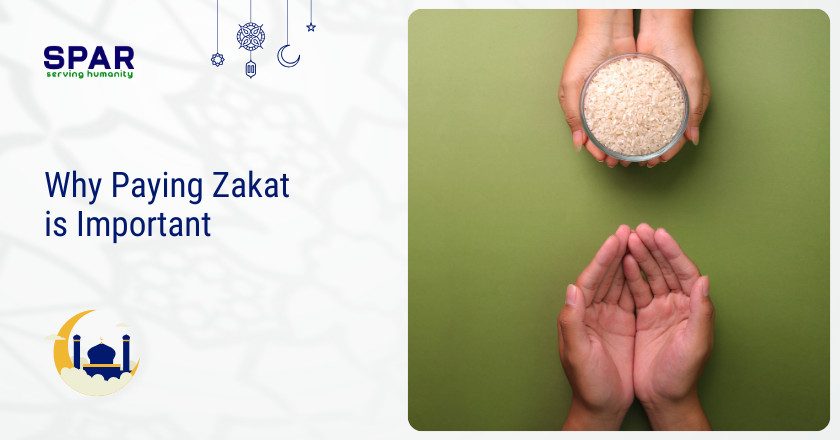
Why Paying Zakat is Important?
Zakat: Paying zakat is a form of worship and assistance to those in need. Assistance for the poor is badly needed, and it helps reduce inequality. It cleanses your money and purifies it from selfishness.
In Muslims, paying zakat contributes to what is right and just in society: welfare. It indicates that you are thankful for using your gifts in the world.
What Happens If You Don’t Pay Zakat?
In Islam, failing to pay zakat is considered a grave offense. It is a duty, and failing to fulfill it carries a spiritual price. It is highly regarded since you face a penalty for not paying zakat in the afterlife. Additionally, when zakat is not given, those with more wealth still hold the wealth meant to alleviate the plight of the poor.
Final Thoughts
The zakat calculation on cash is easy if you know the steps. You add up all the money, check the nisab, deduct your debts, and then apply the 2.5% rate. These steps will help you ensure that you are performing your Zakat obligations correctly.
Zakat cleanses one’s wealth and directly contributes to the community’s welfare. As a devoted Muslim, you are required to pay zakat each year and calculate it accordingly.
What is the Nisab for cash?
The cash Nisab is calculated based on 85 g of gold or 595 g of silver.
How does Zakat figure into my savings?
Calculate the total value of all your cash assets and liabilities, deduct the liabilities from assets and apply the 2.5% zakat to the remaining amount.
Is it acceptable for me to make separate Zakat payments?
You can distribute zakat in portions, but make sure to finish the year.
What do I do if my cash is less than the Nisab?
If you have less cash than that, Nafsa, you have no zakat to pay.
Is Zakat due for the money I owe?
You only pay Zakat for your wealth after subtracting what you owe from your debts.
When is Zakat due for cash?
You should give zakat once a year, based on the date your wealth first met or exceeded the Nisab.
Can I pay Zakat on behalf of another person?
You can make a sukkah on behalf of someone else, such as a sick family member who cannot pay.



 Secure
donation
Secure
donation