

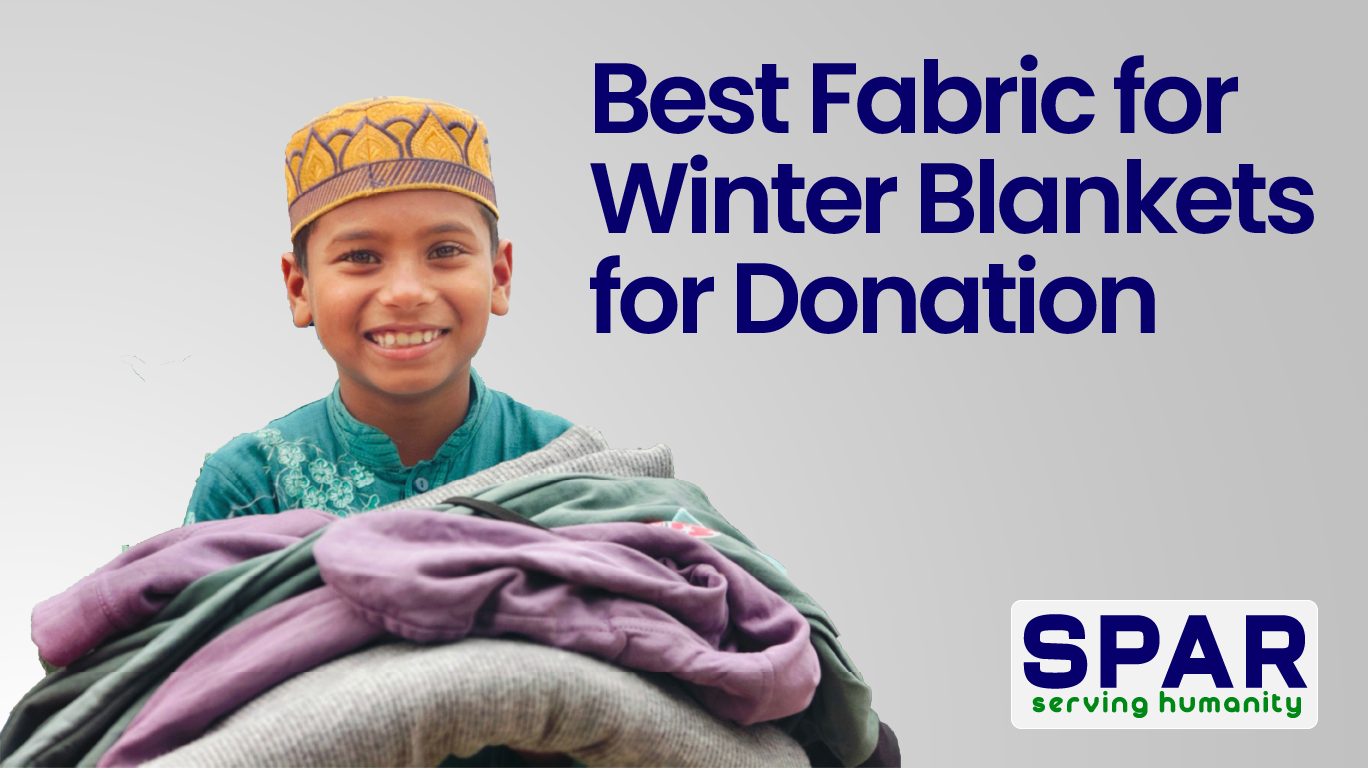
Best Fabric for Winter Blankets for Donation: A Guide
When the temperature drops, a warm blanket is a lifesaver. Many families lack the basic means to stay warm during a harsh winter. If you want to help, you must choose the best fabric for winter blankets for donation. Choosing the right material ensures your gift lasts and actually provides heat.
At the SPAR Project, we see how high-quality blankets protect vulnerable children every day. A good blanket is more than a gift; it is a shield against the cold. In this guide, we will explore the most durable and warm fabrics available. We will help you spend your charity money wisely. Whether you buy in bulk or give from your home, the material matters. Let’s find the best options to keep people safe this winter.
1. Why the Right Fabric Choice Saves Lives
The wrong blanket can be dangerous in extreme cold. For example, some fabrics hold onto water. If a blanket gets wet in a tent, it can make a child freeze faster. The best fabric for winter blankets for donation must stay dry and trap heat. People living in poverty do not have heaters or dry rooms. They need materials that work hard in bad conditions.
When you donate, you want your money to make a long-term impact. A thin, cheap blanket might tear in a week. A high-quality fabric can last for several winters. This provides a sense of security to a family in crisis. Your choice helps them focus on finding food instead of staying warm. Quality is an act of respect toward those you are helping.
2. Polar Fleece: The Top Choice for Relief
Most experts agree that polar fleece is excellent for charity. It is a synthetic material made from polyester. It is very light, which makes it easy to carry. Homeless people often move around, so they need gear that isn’t heavy. Fleece provides great warmth without the bulk.
Fleece has a special “moisture-wicking” power. It moves sweat away from the skin. It also dries much faster than cotton or wool. If a fleece blanket gets damp, it still keeps the person warm. It is also very affordable. You can buy many fleece blankets for the price of one wool blanket. This helps you reach more families with your donation.
3. Wool Blends: Natural Insulation for Heavy Cold
Wool is nature’s best insulator. People have used it for thousands of years to stay alive in the snow. Wool fibers have a natural crimp. This creates millions of tiny air pockets that trap heat. It is a very powerful way to stay warm.
Wool is also fire-resistant. This is very important in refugee camps. Families often use small candles or open fires for light. A wool blanket will not catch fire easily. If you choose wool, look for a blend. Pure wool can be very scratchy and heavy. A wool-synthetic blend is softer and easier to wash. It provides the power of wool with the comfort of modern fabric.
4. Polyester Microfiber: Softness Meets Strength
Microfiber blankets are very popular for kids. They are made from very fine threads of polyester. This makes them incredibly soft and cozy. For a child who is stressed, a soft blanket provides emotional comfort. It feels like a hug during a scary time.
Microfiber is also very tough. The tight weave stops cold wind from blowing through the fabric. It does not pill or fall apart after many washes. These blankets are easy to pack into small boxes for shipping. They take up less space than big quilts. This makes them a smart choice for international donations.
5. Cotton Flannel: The Best Base Layer
Standard cotton is usually a bad choice for winter. It absorbs water and stays wet for a long time. However, cotton flannel is different. Flannel is brushed on both sides. This creates a fuzzy texture that holds onto heat better than flat cotton.
Flannel is great as a second layer. You can wrap a baby in a flannel sheet before adding a heavy fleece blanket. It is breathable and gentle on the skin. It prevents the “stuffy” feeling that some synthetic fabrics have. While it should not be the only blanket used outside, it adds a layer of comfort that people love.
6. Sherpa Fabric: The Ultimate Heat Trap
If you want to give the warmest gift possible, look for Sherpa. Sherpa is a type of fleece that looks like sheep’s wool. It is often very thick and fluffy. Many “double-layer” blankets have a smooth side and a Sherpa side.
This fabric is perfect for the elderly. Older people lose body heat very quickly. The thick pile of Sherpa fabric creates a massive barrier against the cold. It is a premium choice for winter relief. While it costs a bit more, it provides a level of heat that other fabrics cannot match. It is truly the best fabric for winter blankets for donation in freezing mountain regions.
7. Understanding GSM and Fabric Weight
When you buy blankets, you will see a “GSM” number. This stands for Grams per square meter. It tells you how dense the fabric is. A higher number means the blanket is thicker and warmer.
For winter donations, do not buy anything below 250 GSM. A blanket with 300 to 400 GSM is the gold standard for winter. Thin blankets with low GSM are like summer towels. They will not save a life when the frost hits. Always check the weight before you buy. If you are buying in bulk, high GSM ensures your donation is high quality.
8. Why Durability is a Key Factor
A donation blanket must be tough. It will be used on the ground, in tents, and in crowded shelters. The fabric might be washed in a river or by a rough machine. Thin fabrics will rip or thin out rapidly.
Polyester and nylon blends are usually the most durable. They resist mold and bugs. Natural fibers like silk or thin cotton are too weak for this kind of work. When you choose a strong fabric, you are giving a gift that lasts. It shows that you care about the person’s future, not just their today.
9. Avoid These Fabrics for Outdoor Use
Some fabrics are great for home but bad for the street. Avoid donating “chunky knit” blankets with big holes. The wind goes right through them. They look pretty, but they provide almost no protection from a cold breeze.
Furthermore, avoid pure silk or light linen. These are summer fabrics. They do not hold heat. You should also avoid blankets with long tassels or fringes. These can get caught in things or become very dirty. Keep the design simple and focus on the thickness of the material.
10. The Problem with Heavy Quilts and Comforters
You might think a big comforter is a wonderful gift. However, they can be hard to manage. Comforters are often filled with down or feathers. If they get a small hole, the filling leaks out. Once the filling is gone, the blanket is useless.
Heavy quilts also take a very long time to dry. If a family does not have a dryer, a wet quilt stays wet for days. Such conditions can lead to mold. Lightweight, solid fabrics like fleece are much better for survival. They give the same heat but are much easier to keep clean and dry.
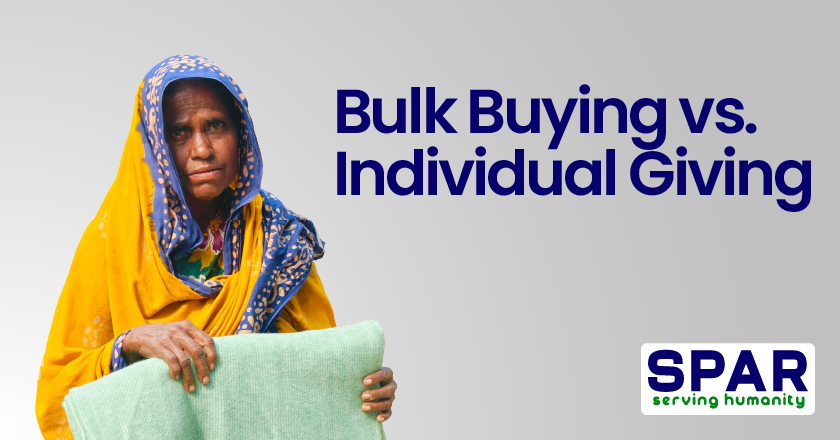
11. Bulk Buying vs. Individual Giving
If you have a large budget, buy wholesale. Many companies sell “relief blankets” at low prices. These are designed specifically with the best fabric for winter blankets for donation. They are usually gray or brown so they don’t show dirt. They are made of strong wool or fleece blends.
Buying in bulk allows you to help a hundred people instead of ten. However, individual giving is also wonderful. If you have high-quality blankets at home that you don’t use, donate them! Just make sure they are clean and in good shape. Every single blanket counts in the fight against the cold.
12. How SPAR Project Delivers Warmth
At the SPAR Project, we work on the ground in the coldest places. We know that a blanket is a basic human right. We use your donations to buy the best materials available. We prioritize rapid distribution when a storm is coming.
We work with local leaders to find the people who need help most. We focus on orphans, the elderly, and refugees. Your support allows us to buy blankets that truly work. We don’t just give a “handout.” We give a tool for survival. Together, we can ensure that no child has to shiver through the night.
Final Thoughts
The best fabric for winter blankets for donation is one that stays warm, dry, and strong. Fleece and wool blends are the winners for most situations. By choosing the right material, you turn a simple donation into a life-saving shield.
Winter is a test of our humanity. It is a time to share our warmth with those who have none. A blanket is a small thing to us, but it is everything to someone in a tent. Let’s choose the best quality we can afford. Let’s work together to bring comfort to a cold world. Your kindness is the greatest heat of all.
Is fleece or wool better for the homeless?
Fleece is usually better because it is lighter and dries faster. People on the street need to move their gear easily. However, wool is better for very dry, mountain cold.
What is the best size for a donation blanket?
A “Twin” or “Single” size is best. It is large enough to wrap around a person but small enough to carry. Avoid “King” sizes, as they are too heavy and bulky.
Should I wash blankets before I donate them?
Yes, always wash them. It is important to give clean items. It indicates that you respect the person who will receive the gift. If a blanket has a foul smell or stains, it is better to buy a new one.
Can I donate hand-knitted blankets?
Yes! Handmade gifts are exceptional. Just make sure the knit is tight. If the holes are too big, the cold air will get in. Use warm wool or acrylic yarn.
Why is GSM important for blankets?
GSM measures how thick the fabric is. For winter, you need a high GSM (300+). If the GSM is too low, the blanket will be too thin to stop the cold.
Do you accept used blankets?
Most charities, including SPAR Project, prefer new blankets for health reasons. However, if a used blanket is in perfect condition and fresh, it can still be helpful. Check with your local office first.
 Secure
donation
Secure
donation