

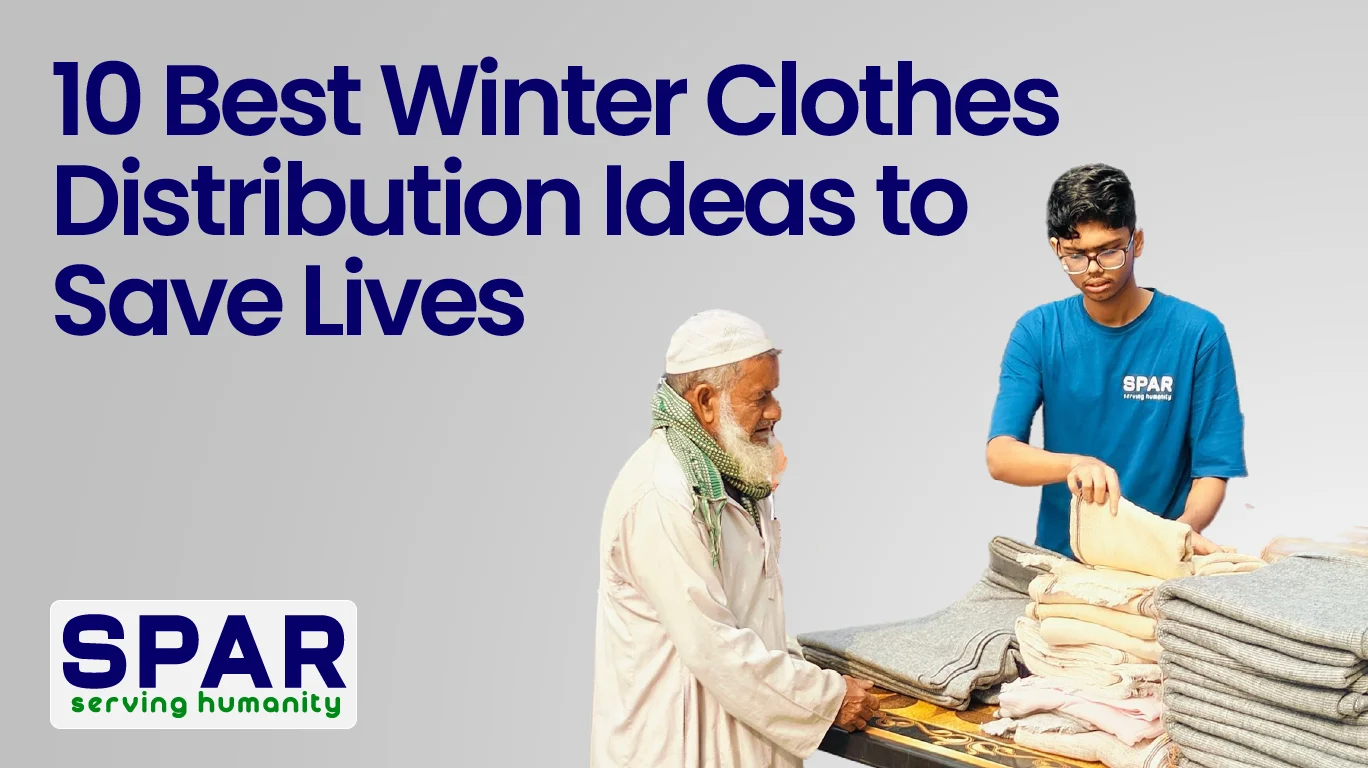
10 Best Winter Clothes Distribution Ideas to Save Lives
Winter brings a sharp chill that many people cannot escape. While we turn up the heat, others struggle to stay alive. At SPAR Project, we believe no one should suffer in the cold. You want to help, but you need a plan. Using effective winter clothes distribution ideas makes your charity work much more powerful.
This guide gives you clear, action-oriented steps. We focus on helping the homeless, low-income families, and refugees. Giving a coat is a great start. However, doing it the right way protects a person’s dignity. Let’s look at how you can organize a drive that truly works. We will help you turn your good intentions into a life-saving reality this season.
1. Set Up a Community “Dignity Market”
The “Dignity Market” is one of the most respectful winter clothes distribution ideas. Most people just hand out bags of random clothes. This can make people feel like they are just receiving scraps. Instead, set up a temporary shop in a local hall.
Hang the coats on sturdy racks. Sort them by size and style. Let people walk through and choose what they like. When a child picks their own favorite color, it boosts their spirits. This model changes the feeling from a “handout” to a “shopping trip.” It costs nothing for the family, but it gives them back their power of choice.
2. Launch a “Wall of Kindness” in Your City
You may have seen these in other countries. A “Wall of Kindness” is a public place where people leave warm clothes. You find a wall in a busy, safe area. Install some hooks and a clear sign. The sign should say, “Leave what you don’t need, take what you do.”
This idea works 24 hours a day. It helps people who might be too shy to go to a shelter. Volunteers should check the wall every morning. They can tidy the area and add new items. This creates a direct link between neighbors. It is a simple way to keep the community warm all winter long.
3. Create Targeted Winter Survival Kits
Occasionally, a coat is not enough to survive a freezing night. People sleeping outside need a full set of gear. You can build “Winter Survival Kits” to give out. These kits are easy to carry and store.
Put these items in a waterproof bag:
- A heavy winter jacket.
- Two pairs of thick wool socks.
- You should also include thermal gloves and a warm hat.
- A high-quality fleece blanket.
- A small pack of hand warmers.
These kits save time during distribution. You can count exactly how many people you help. It also makes it easy for donors to see where their money goes.
4. Organize a “Night of Warmth” Street Walk
Don’t wait for people to come to you. Some of the most vulnerable people cannot travel to a center. A “Night of Warmth” event involves volunteers walking through the city at night. This is when the temperature drops the most.
Your team can carry wagons filled with blankets and coats. They can look for people sleeping in doorways or under bridges. Always lead with a friendly greeting. Offer them a warm drink and a coat. This direct action meets the need exactly where it is. It shows the community that someone cares about them during the darkest hours.
5. Partner with Local Schools for Kids’ Gear
Children grow out of clothes very fast. This means many families have perfect winter coats just sitting in closets. At the same time, other kids go to school shivering. You can bridge this gap by working with local schools.
Ask the school to host a “Warmth Drive.” Parents can bring in coats their kids no longer fit into. The school staff often knows which students are struggling. They can give the clothes to those students quietly. This keeps the children warm without making them feel different from their peers.
6. Use a Mobile Distribution Van
A van allows you to reach many neighborhoods in one day. You can turn a simple van into a “mobile boutique.” Drive to low-income areas, parks, or community centers. Use your social media to tell people where the van will stop.
A mobile unit is very flexible. If one area has enough clothes, you can drive to the next one. It also keeps the clothes dry if it starts to rain or snow. You can even play friendly music to let people know the “Warmth Van” has arrived. This brings a sense of joy to a tough situation.
7. Create a “Sponsor a Winter Outfit” Digital Campaign
Not everyone can donate physical clothes. Some people live far away but still want to help the SPAR Project. Use your website to run a digital campaign. Let donors “buy” a specific outfit for someone in need.
For example, a $40 donation buys a coat, hat, and gloves for a refugee child. Use real photos of the items. Such an arrangement makes the gift feel real to the donor. You then use those funds to buy new items in bulk. Buying in bulk is often cheaper than collecting used items. It also ensures every person gets a high-quality, new coat.
8. Focus on Refugee Camp Support
Winter in a tent is a nightmare. For refugees, the cold is a constant threat to their health. Your winter clothes distribution ideas should include international relief. These people need heavy-duty items that can stand up to wind and mud.
Focus on distributing “thermal sets” and heavy sleeping bags. These items are light to ship but keep heat in very well. Work with partners on the ground to ensure the clothes reach the most remote camps. The effort is a vital part of our global mission to protect human life.
9. Host a “Wash and Give” Event
Dirty or torn clothes are not helpful. You want to give the best to those who have the least. A “Wash and Give” event is a wonderful way to involve more volunteers. People bring in their used winter gear.
The volunteers spend the day washing, drying, and folding the clothes. They also check for broken zippers or holes. If an item is beyond repair, they recycle it. This ensures that every person who receives a gift feels respected. A clean, fresh-smelling coat brings more comfort than a dirty one.
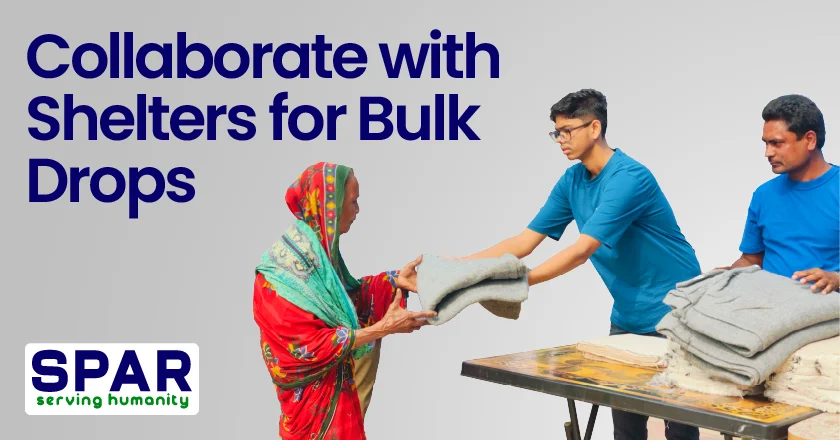
10. Collaborate with Shelters for Bulk Drops
Homeless shelters often run out of supplies during a cold snap. They are the first place people go for help. You can support them by doing “Bulk Drops.” Collect hundreds of coats and deliver them directly to the shelter’s storage.
The shelter staff knows their residents’ sizes and needs best. This saves you the work of individual distribution. It also helps the shelter focus on providing food and beds. This partnership makes the entire local charity system stronger.
Why the Active Voice Matters in Charity
When we talk about help, we should use strong words. We don’t say “help was given.” We say, “You gave help.” This puts the power in your hands. It shows that your actions lead to real change. At SPAR Project, we want you to feel the impact of your work. Every coat you move and every kit you pack changes a life.
How to Sort Your Donations Correctly
Sorting is the most important part of the job. If you don’t sort, your distribution will be a mess. Follow these simple steps:
- Group by Size: Separate clothes into baby, child, teen, and adult.
- Group by Type: Keep coats, pants, and socks in different boxes.
- Label Everything: Use a big marker to write the size on the outside of the box.
- Verify for Quality: Only keep items that look good and work well.
The Importance of Spiritual Intent (Niyyah)
In the Islamic tradition, we call this work a “trust,” or Amanah. We are not just giving away old things. We are fulfilling a duty to our brothers and sisters. When you plan your winter clothes distribution ideas, keep your heart pure. Your goal is to please your Creator by helping His creation. This mindset brings Barakah (blessing) to the project. It makes the work go further and touch more hearts.
Making Your Impact Last
A winter drive is wonderful, but people need help all year. Use your winter event to find recurring donors. Ask people if they want to join your monthly mailing list. Show them the photos of the people they helped. When a donor sees a smiling child in a warm coat, they will want to help again. This approach builds a community of givers that lasts for years.
Final Thoughts
The cold does not wait for us to be ready. It comes every year, and it hits the poor the hardest. By using these winter clothes distribution ideas, you can make a huge difference. You can turn a freezing night into a night of safety and warmth.
Whether you start a “Wall of Kindness” or ship kits to a refugee camp, your work matters. The SPAR Project is here to support these efforts. Together, let’s ensure that no one faces isolation this year. Your action today is someone else’s survival tomorrow.
What are the best winter clothes to donate?
The most needed items are heavy coats, waterproof boots, wool socks, and thermal layers. People also always need hats, gloves, and scarves.
Can I donate used clothes for a distribution?
Yes, but they must be clean and in good condition. Check for holes or broken zippers before you give them. Only give clothes that you would be happy to wear yourself.
How do I start a clothing drive in my area?
First, find a place to store the clothes. Then, pick a date for the collection. Use social media and flyers to tell your neighbors. Finally, choose one of the distribution ideas above to get the clothes to people in need.
Is it better to give blankets or coats?
Both are very important! Coats are better for people who need to move around during the day. Blankets are vital for staying warm at night. If you can, try to provide both.
How can I help if I don’t have any clothes to give?
You can donate money to the SPAR Project. We use donations to buy new winter gear in bulk. You can also volunteer your time to help sort and give out the clothes.
Where should I distribute the clothes?
Good places include homeless shelters, community centers, and low-income neighborhoods. You can also walk through city centers where people are sleeping rough.
How do I make sure the distribution is fair?
Set a limit on how many items each person can take. This ensures that there is enough for everyone. Using a “Dignity Market” style also helps keep things organized and fair.
 Secure
donation
Secure
donation