


Donate Winter Clothing: Share Warmth, Change Lives
I am passing by a postcard featuring an orchard. It is a postcard depicting an orchard blossom that I see as I pass by. When the chill arrives, the scent of the orchard is enveloped in a nostalgic atmosphere. However, for many people around the world, even one warm coat is something held out of reach. The cold weather that many of us avoid by staying indoors can be lethal for those who lack adequate winter clothing.
You can change that. When you donate winter clothing, you provide more than just fabric—you give warmth, safety, and hope. It’s one of the easiest and most effective ways you can help families, refugees, and homeless people make it through bitter cold temperatures.
At SPAR Project, we witness how a coat, blanket, or gloves can change a person’s life. This guide will explain why donating winter clothes is important, how to do it properly, and where your act of kindness has the greatest impact.
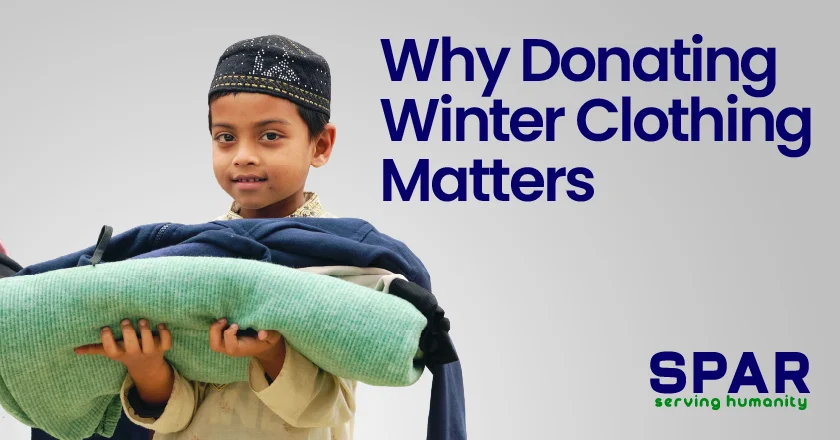
Why Donating Winter Clothing Matters
Each year, millions of vulnerable people survive the winter cold without proper clothing. For them, the cold isn’t merely uncomfortable—it can be lethal. Every year, people die from frostbite and hypothermia, especially children and the elderly.
Nothing will save a life like the decision to donate winter clothing. That old jacket hanging in your closet can shield someone from a freezing night. Boots can significantly impact a child’s ability to walk to school in the snow. Warm clothing doesn’t only provide comfort—it provides dignity and hope.
What you’re doing when you give is not just passing warm things along; it’s sending a message: You’re not forgotten.
The Real Impact of Donating Warm Clothes
It’s all too easy to underestimate the impact of a small gesture. “ But here at SPAR Project, we literally get to see the outcome.
Every winter, our volunteers give away thousands of donated coats, scarves, and sweaters to those in need. A mother gets a jacket for her child. An old man puts on gloves to keep his hands warm. A refugee family gets blankets that allow them to sleep warm and soft.
These donations support real people facing genuine challenges. And when you donate winter clothing, you give them the chance to endure, exist, and laugh again.
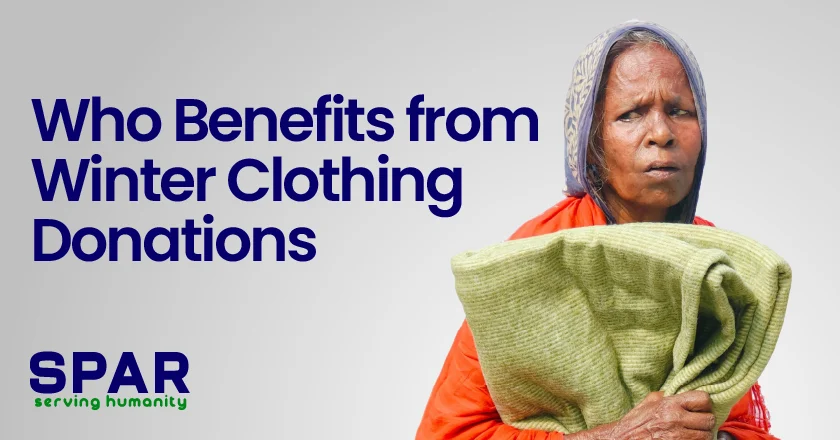
Who Benefits from Winter Clothing Donations
Your gift goes to some of the most vulnerable in society:
- Homeless people who spend cold nights outside.
- Refugees and displaced families who left their homes with very few belongings.
- Poverty-stricken homes struggle to afford appropriate winter clothing.
- Youngsters across the country in orphanages or rural schools are without warm uniforms.
- Older people who live in homes with inadequate heating are also affected.
Every coat, hat, and blanket you give makes a difference in someone’s life. For many, your gift is the most soothing thing they’ve felt all season.
What You Can Donate
You don’t have to purchase fresh clothes to make a difference. Look through your wardrobe. If it is clean, warm—and in good condition—it has value.”
Here’s what to include when donating winter clothing:
- Coats and jackets
- Sweaters and pullovers
- Gloves and mittens
- Wool hats and scarves
- Warm socks and shoes
- Blankets, quilts, and shawls
Do not donate damaged, wet, or soiled items. Never put out anything you would not feel proud to wear.
How to Prepare Your Clothes Before Donating
A generous donation in advance means a great deal. Here are five simple ways to make your present more special:
- Inspect carefully. Look for stains, rips, or missing buttons.
- Wash and dry. Wearing clean clothes is a source of respect for the recipient.
- Fold neatly. Volunteers can distribute organized things more gracefully.
- Sort by category. Categorize as “Men,” “Women,” or “Children.”
- Pack properly. Carry in rigid bags or boxes.
One small point, such as “Stay warm!” can bring extra comfort. It’s a small move, and one that comes from a big heart.
Where to Donate Winter Clothing
There are so many ways to give—just pick the one that seems to fit you best.
- Local charities and shelters: Within most cities, there are charity organizations that collect winter-appropriate clothing.
- Community centers often conduct clothing drives for families in need.
- Religious institutions, such as mosques, churches, and temples, accept donations throughout the year.
- Schools and offices: Consider starting a donation box to encourage others to contribute.
- Online groups: You can donate clothing to trustworthy nonprofits, such as the SPAR Project, which distributes clothes directly to those in need.
Each allows your kindness to impact lives that are really, truly waiting for warmth.
The SPAR Project’s Winter Clothing Campaign
At SPAR Project, we believe that everyone should have access to warmth, regardless of their location. Through our Winter Warmth Campaign, we receive donations of coats, sweaters, and blankets from generous folks like you and distribute them to those who are most in need.
Our teams operate across regions—from urban shelters to distant refugee camps—so that every donation reaches the people who need it most.
When you donate clothing for winter to the SPAR Project, your donation is aiding in:
- Conflict zones often host refugees or troubled families.
- Orphans and impoverished individuals living in cold areas are often affected by these conditions.
- Dangerous conditions for homeless people.
Your assistance allows us to bring warmth, humanity, and dignity into every home.
How Donating Clothes Helps the Environment
All this clothing waste is adding up to a significant problem worldwide. Millions of tons of clothes wind up in landfills each year. Most of these, however, could have been reused or recycled.
When you give away that winter wardrobe, you’re protecting the planet as well.
Here’s how:
- You reduce textile waste, which is detrimental to the environment.
- You reduce pollution from clothing production.
- You save natural resources, such as water or energy, that would have been used in producing a new piece of clothing.
It’s a win-win—your old coat will keep someone in need warm, while also preventing environmental waste.
Faith, Charity, and the Spirit of Giving
Giving clothes is more than kindness—it’s a spiritual obligation for many.
In Islam, giving money to help others is known as Sadaqah, a voluntary act that carries blessings. In Christianity, it’s referred to as charity—love in action. Regardless of your religion, the lesson is uniform: you honor humanity when you help others.
Donating winter clothing is a way to live your values. It is an expression of gratitude for what you have and compassion for those who don’t.
How to Start Your Own Winter Clothing Drive
Want to do even more? You can organize a local clothing drive and magnify your impact. Here’s how:
- Set a goal. Determine how many coats or items you wish to gather.
- Choose a location. Schools, offices, and community centers are ideal.
- Promote it. Spread the word with the help of flyers, posters, and social media.
- Collect and sort. Seek volunteers to assist in wrapping.
- Partner with SPAR Project. We can help you find charitable organizations to donate to.
A community drive converts one person’s work into a wave of giving.
How Giving Builds Stronger Communities
When you donate, you’re not just helping individuals—you’re connecting people.
Neighborhoods that rally in winter for donation drives tend to grow tighter. Schools, families, and businesses come together for one goal: helping others.
This feeling of belonging fosters something powerful: joy, empathy, and collaboration. It serves as a reminder to all that kindness does not need to be extravagant to make a meaningful impact.
The Emotional Rewards of Giving
There’s something special about giving. It elevates your soul, warms your heart, and makes life worth living.
When you see a child smiling with warmth in the winter thanks to your donated jacket or a homeless man sleeping well thanks to your gifted blanket, there’s something affirming about giving.
Kindness reduces stress, boosts happiness, and enhances all aspects of your emotional well-being. When you donate winter clothes, you’re not only giving help—you’re healing your own heart.
Tips for Smarter Donations
To ensure your contribution goes as far as possible, consider the following tips:
- Donate earlier in the season so people can stay in their clothes longer.
- Let’s concentrate on the warm, durable items instead of the lightweight clothing.
- Offer children’s sizes—they’re often what people want.
- Incorporate accessories such as gloves, socks, and scarves.
- Avoid overfilling donation bags; keep items neat and organized.
Small touches can make your gift easier to disperse and more valuable to those who receive it.
How SPAR Project Ensures Impact
Openness and confidence are the fundamentals of SPAR Project. We take very seriously the trust and investment that every single donation represents.
We:
- Collect and sort items efficiently.
- Deliver directly to community-trusted partners and local families.
- Share updates and impact stories, allowing you to see the impact of your donation.
SPAR Project ensures your winter clothing donation goes directly to those in need.
Final Thought
There’s no need for winter to be harsh. We all can help make it a season of warmth and love.
When you donate winter clothing, you are not just giving away those old clothes—you are giving life, hope, and comfort to those in need. It’s among the easiest, most human ways to help make the world a better place.
Open your closet. Please identify the coats and sweaters that you no longer wear. Take them to SPAR Project or a nearby charity. But your small gesture can mean everything to someone who finds himself or herself braving the cold alone.
This winter, let’s do more than keep warm—let’s be warm.
Why is winter clothing important?
Moreover, it shields individuals from the cold and contributes to their dignity, comfort, and hope.
Can I donate used clothes?
Yes. And, if still in pretty excellent shape, gently worn clothes should be just fine for donations.
Where can I donate winter clothing near me?
You can donate to local charity organizations, mosques, or shelters, or through SPAR Project.
What items are most needed?
During the cold winter months, warm coats, sweaters, gloves, mittens, and hats are in high demand.
Do I need to wash my clothes before donating?
Yes. If you respect them, offer them clean, folded clothes that are easier to distribute.
Can I donate money instead of donating clothes?
Of course. They ship out donations to charities, buy them in bulk locally, or contribute to covering the cost of distributing.
What does Spar Project have to do with my donation?
SPAR Project can bundle and request in-kind donations from our volunteers, which are then expedited to affected areas where the donated items directly benefit people in tangible ways.


 Secure
donation
Secure
donation