

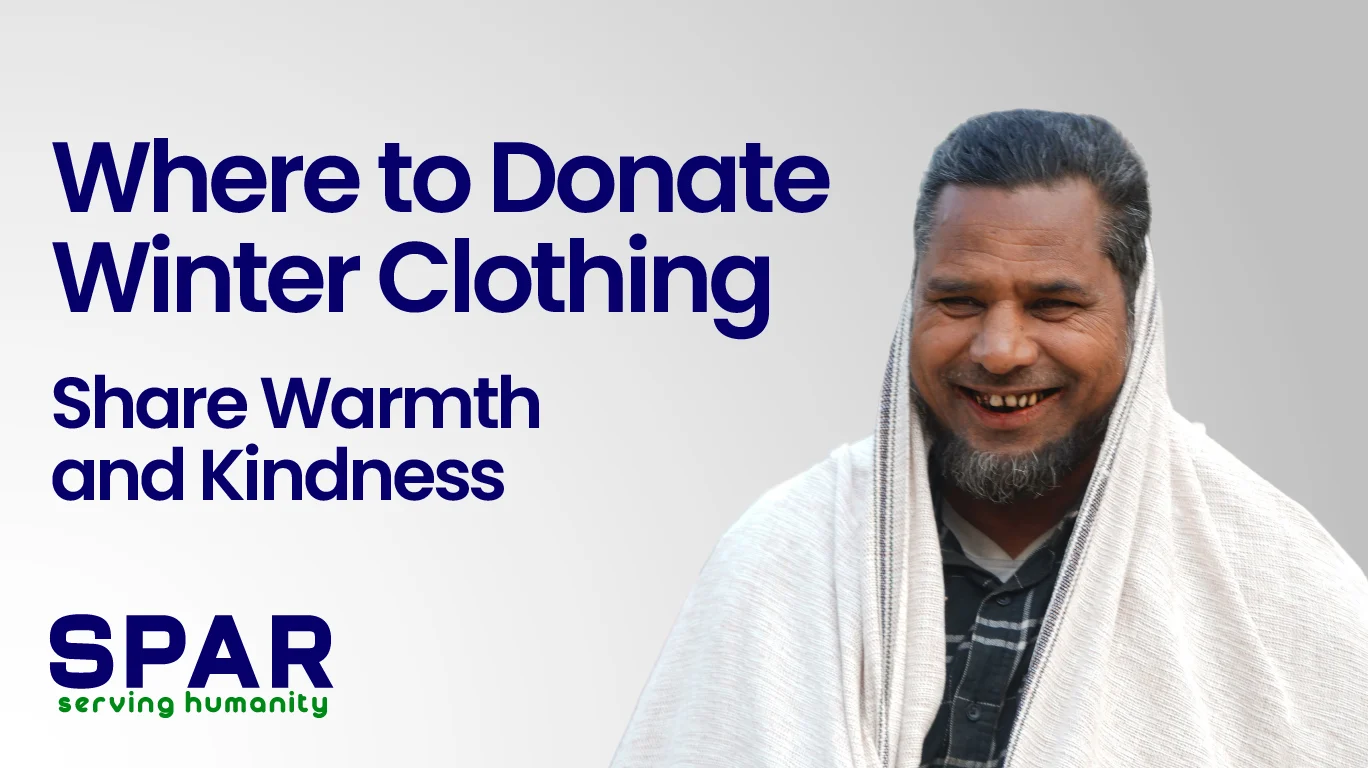
Where to Donate Winter Clothing | Share Warmth and Kindness
Although winter, by some count, is the season of joy, for many it’s a slog. While many of us take comfort in heated homes and heavy blankets during the cold months, millions of people face the cold with little protection. To eat, they fish from the icy margins of holes in the sea ice that covers Bering Sea waters through March and hope for boat-based marine mammal hunting when they don’t catch any fish.
So that’s why it matters so much to know where to donate winter clothing. Families that struggle to keep warm might benefit from donations of jackets, sweaters, and blankets. Groups such as the SPAR Project ensure that donations get to those who need them most.
This is a guide to where you can donate winter clothing, what items to give, how to prepare them, and how small acts of kindness change lives during the colder months.
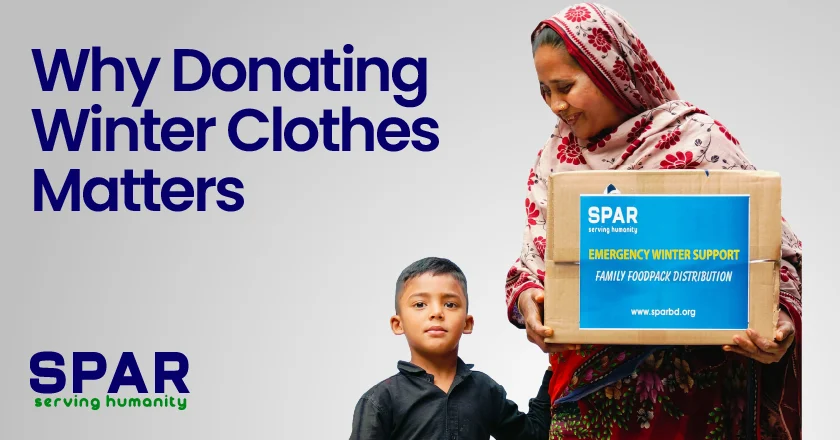
Why Donating Winter Clothes Matters
1. Poverty Can Be Fatal in Winter
Cold weather is not only uncomfortable—it can be deadly. During winter, individuals who lack the necessary clothing suffer from hypothermia, frostbite, and disease. For someone living on the streets, a single jacket or blanket can make a significant difference in their survival.
2. A Simple Way to Spread Love
One of the most effortless ways to demonstrate empathy is through donating clothing. It doesn’t cost anything to you, but it gives someone warmth and dignity.” That is the real charity—to help another with no thought of reward.
3. Your Unused Clothes Can Save Lives
Most of us have coats and sweaters and scarves that almost never see the light of day. Instead of letting them sit in your closet, give them to someone who can use them. To you it’s garbage; to someone else it’s priceless.
Where to Donate Winter Clothing
Where can I donate winter clothes? These are vetted places where your charity will do the most beneficial work.
SPAR Project
SPAR Project is a nonprofit aid network helping poor families, refugees, and the homeless survive the harsh winters in Kurdistan. They gather winter clothing—coats, gloves, scarves, sweaters, and blankets—and deliver them directly to those in need.
You can give in person or donate online at staging.sparproject.org/. Donations of money are gratefully accepted; the funds are used to buy new items for families that have nothing.
Local Mosques, Churches, and Temples
Local religious groups are frequently the first to respond when winter takes hold. They gather clothes, blankets, and food to help local communities. Inquire at your mosque or church about upcoming donation drives.
Homeless Shelters
Winter clothing is in demand all season long at shelters. They can always use coats, gloves, socks, and blankets. Your donation might help provide someone warmth for the night.
Refugee Support Centers
Winter is harsh in windowless camps where millions of refugees live. By supporting reputable refugee centers, your donations get into the hands of families in crisis.
Community Donation Drives
Local non-profits and schools frequently organize coat drives. These events also serve as a great opportunity to pass along your winter clothes directly to people who will make great use of them.
Charitable Organizations
You can also contribute to global organizations such as Islamic Relief, the Red Cross, or local charities in your community. Donations of new and gently used winter items are accepted for distribution.
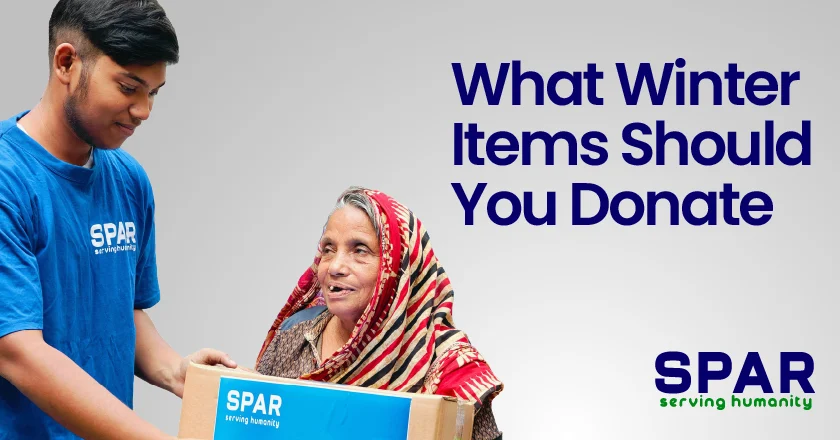
What Winter Items Should You Donate
Apparel that’s made for winter There are various types of apparel, and not all of them prove beneficial to wear during winter. Stick to warming foods and drinks.
Coats and Jackets
These are what we need most. Opt for thick, heavy coats that will protect you from freezing weather.
Sweaters and Hoodies
Layering with thick wool or fleece sweaters is a beneficial idea. Avoid lightweight summer clothes.
Hats, Gloves, and Scarves
Such small items help guard against frostbite and are simple to distribute. A hat or pair of gloves can go a long way.
Blankets and Sleeping Bags
Blankets are literal life-savers, particularly for those sleeping outdoors. Anything clean and warm is worth its weight in gold to someone.
Socks and Footwear
Socks insulate feet from the elements and keep them dry—something in short supply during winter. Please keep in mind comfortable shoes or boots for people doing a lot of walking.
Thermal Wear
With new thermal tops and bottoms, they add extra warmth for families without much heating.
How to Prepare Your Winter Clothes for Donation
Check that your items are ready for immediate use before you donate. Just like a well-organized structure, clean and folded clothes indicate that you care about both yourself and the recipient.
Wash and dry.
Soiled clothes should be thoroughly cleaned before they are given. Nobody deserves to wear dirty or smelly clothes.
Check for Damage
Do not donate clothes that are ripped, torn, or soiled. Donate only good-quality items.
Sort and Label
Group items by type and size. Mark bags as “Men’s Jackets,” “Children’s Sweaters,” and so on. This approach makes it easier for volunteers to give them out more quickly.
Pack Neatly
Fold them, and put the bags or boxes of garments in clean, dry spots.
Donate Early
Don’t wait until midwinter. Give before the coldest months hit so organizations have time to distribute items.
Best Time to Donate Winter Clothing
The best time to donate is before winter sets in—typically October through December. This can enable charities to sort and distribute items before the holiday.
But if it is already midwinter, who cares? In many cases, families don’t need aid until January, February, or even March. Some organizations, such as SPAR Project, take winter donations year-round to be ready for the next cold season.
The Benefits of Donating Winter Clothes
You Help Save Lives
Any coat or blanket does so much to keep people in bitter cold weather.
You Reduce Waste
Donate and give new life to old clothes rather than tossing them in the garbage.
You Strengthen Your Community
Kindness unites. Our communities get stronger when we lift each other up.
You Set an Example
When your kids see you donating, they learn about empathy and generosity.
You Feel Good
It’s fun to know that your little act of kindness made somebody else’s day easier.
SPAR Project – Turning Donations into Hope
SPAR Project’s winter fundraising drives go to the thousands in need.
They:
- Gather and sort winter clothes donated by some folks.
- Team up with volunteers to distribute items to low-income families and refugees.
- So that every donation is spent ethically and responsibly.
When you donate to SPAR Project, your clothes don’t end up in warehouses. They are sent directly to those who need them most—children, the elderly, and families suffering extreme cold.
You can visit staging.sparproject.org/ to find out how you can donate, volunteer, or fund a winter drive.
How to Organize Your Own Winter Clothing Drive
Want to make a bigger impact? Start a community clothing drive!
Partner with SPAR Project
Contact SPAR Project for help and logistics. They can advise you on how to solicit and allocate donations.
Set a Goal
Determine how many items you want to gather and for whom—local families, refugees, or the homeless.
Promote Your Drive
Publicize it on social media, in schools, at mosques, and through local businesses. Ask the public to contribute clean, warm clothes.
Collect and Sort
Establish collection points in convenient locations. Sort objects each week and maintain them by dimension.
Deliver or Schedule Pickup
Arrange with SPAR Project or local shelters to drop off or pick up. A small organization can accomplish a lot for others.
How Donating Winter Clothing Strengthens Humanity
In giving, we offer more than presents—we perform acts of kindness. We can give clothes to other people and be clothed in that exchange, comfortably giving and receiving.
It is a reminder that small acts can have big effects. Each time you donate, you are telling someone, “You matter. You’re not alone.”
Charity is one of the most dear things to God in Islam and many religions. The Prophet Muhammad ﷺ said:
“The shade of a believer on the Day of Judgment will be his charity.”
Your hands-on warmth this day could be someone’s comfort tonight.
Final Thought—Your Winter Gift Can Save a Life
Winter doesn’t spare anyone. For the poor, it’s not a matter of discomfort—it’s literally about survival. Maybe you’re the man or woman who brings someone else to make it through their season.
The first step is to just know where to donate. Whether it’s one jacket or ten blankets, each item makes a difference. Other organizations like SPAR Project ensure that your gesture of kindness reaches those who need it the most.
So open your closet. Find those unused coats. Pack them with love. Then visit staging.sparproject.org/—and bring someone the warmth they need this winter.
Together, we can create a world where no one has to face the cold alone.
Where can I donate winter clothing near me?
You can donate directly to SPAR Project, local shelters, mosques, churches, or charity drives in your community.
What types of winter clothing can I donate?
The most sought-after items are warm coats, sweaters, scarves, gloves, socks, shoes, and blankets.
Can I donate used clothes?
Yes, but keep them clean and in excellent condition.
How do I set up my clothes for donation?
Then wash and fold them, packing neatly. Avoid donating damaged items.
What is the best time to donate?
Before winter starts—typically from October to December—though donations are accepted year-round.
Is there a way I can donate directly to SPAR Project online?
Yes. You can make monetary donations online to assist with winter clothing drives.
Can I have my clothing drive?
Absolutely! Collaborate with SPAR Project to hold an organized collection.

 Secure
donation
Secure
donation