

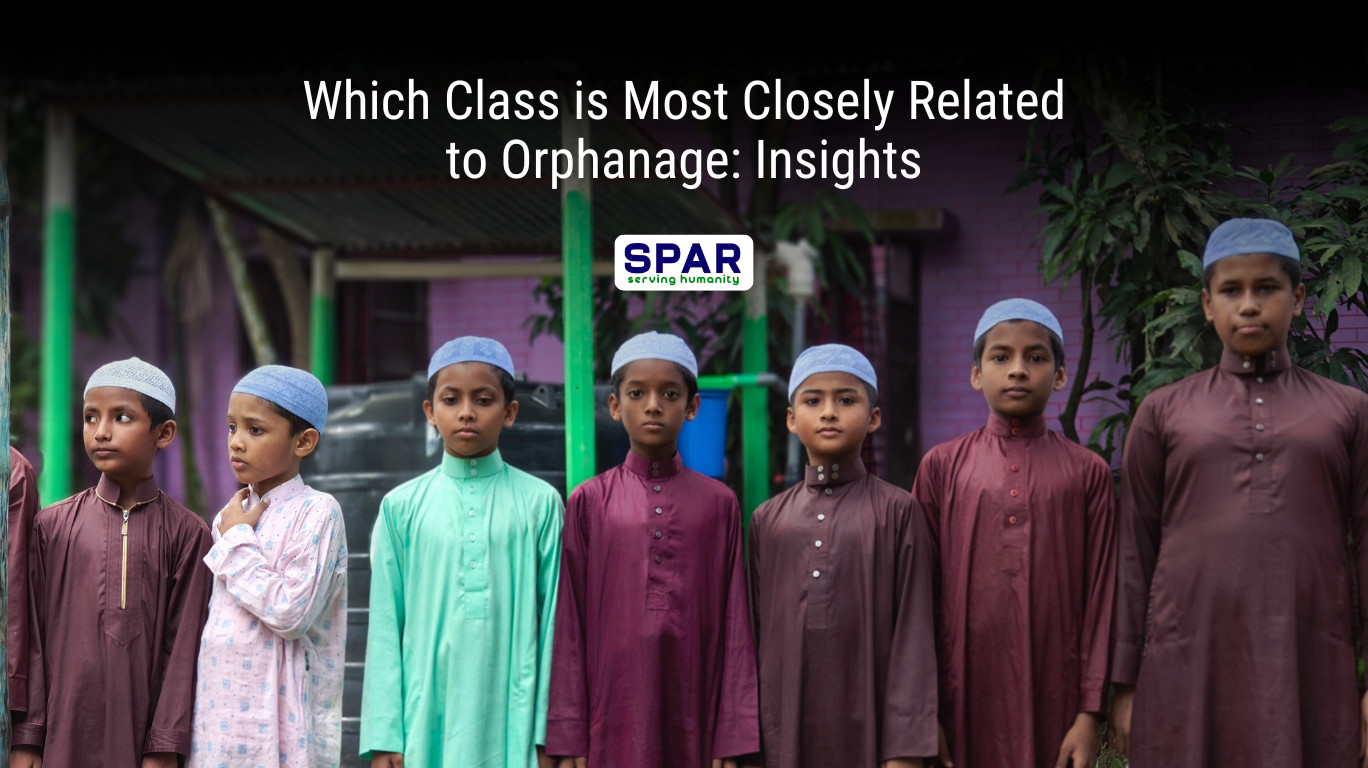
Which Class is Most Closely Related to Orphanage?
Orphanages are important in taking care of children who lose their parents or cannot stay with their families. But which class is most closely related to orphanages? The answer is the lower class. Many children who enter orphanages come from low-income families. These families have problems such as poverty, poor health, or social issues that lead to children being abandoned or orphaned. This paper will explain the relation of orphanages to the lower class and explain how we can all help those in need.
1. What is an orphanage?
An orphanage is a home for children whose parents or guardians are no longer living. It’s a safe place that gives the child the care he needs. They have food, shelter, and some type of education system provided. Orphanages may also give some children the emotional support they need because of their losses.
Although orphanages assist children of every background, the majority of the children in orphanages come from families in some sort of financial crisis.
2. Social Classes and Orphanages
In society, individuals are often categorised into classes, usually based on income, education, and style of living. These classes are what are referred to as social classes. Usually, there are three classes: the upper class, middle class, and lower class.
Orphanages relate most with the lower class since this is generally the class that has to go through the harshest of times. For whatever reason, the families in the low-income communities face an uphill struggle, such as poverty, illness, and lack of opportunities, and sometimes cannot support a child.
3. Why the Lower Class is Linked to Orphanages
The lower class usually has the highest effect of problems such as poverty, illness, and social issues. These are some of the reasons children may end up in orphanages. Some of these problems include but are not limited to:
- Poverty: A poor family might not be able to take care of their children’s needs; hence, this is a reason children may end up in orphanages.
- Health Issues: Poor health care may result in the death of the parents, thus leaving children orphaned.
- Social Instability: Wars, conflicts, and family breakdowns affect poor communities the most and have children land up in orphanages.
Orphanages are most likely to be used by lower-class families due to these factors.
4. The Role of Orphanages in Supporting Lower-Class Children
Orphanages are necessary for kids who come from indigent families. They mostly are bereft of adequate education, healthcare, or even safety. Orphanages offer a stable environment to grow up in, to learn in, and for their needs to be catered to.
Food, shelter, education, and medical care—the orphanages try to help these children overcome so many obstacles that would surely keep them from having a very good chance of success in life.
5. How the Upper and Middle Classes Can Help
While orphanages are most closely associated with the lower class, helping them is a task for all people, including middle and upper classes. Here’s how it can be done:
- Donation: The financial contributions put the orphanages in a position to provide the children with what they need.
- Volunteering: Volunteering your time, skills, or expertise can help improve the quality of life for children living in orphanages.
- Raising Awareness: Promoting the need for orphanage support may inspire others to help too.
This will make a huge difference in orphaned children’s lives, with support from all classes.
6. The Role of Poverty Regarding the Need for Orphanages
Poverty is one of the main reasons why children end up in orphanages. Families living in poverty often lack basic needs like food, clothes, and shelter. This may be due to the lack of resources that eventually leads to the abandonment of children or their admission to orphanages when the parents cannot look after them.
Poverty is often accompanied by ill health, which may result in the early death of parents, leaving children without anyone to look after them.
7. The Impact of Supporting Orphanages
Supporting orphanages is more than just helping the children; it’s about improving the whole community. Here’s why:
- Better Education: Children in orphanages often receive schooling, which can lead to better job opportunities and a brighter future.
- Stronger Communities: By helping orphaned children, we invest in the future of society as a whole. Educated and supported children grow up to be valuable members of their communities.
Orphanage support helps break the cycle of poverty and creates stronger, healthier communities.
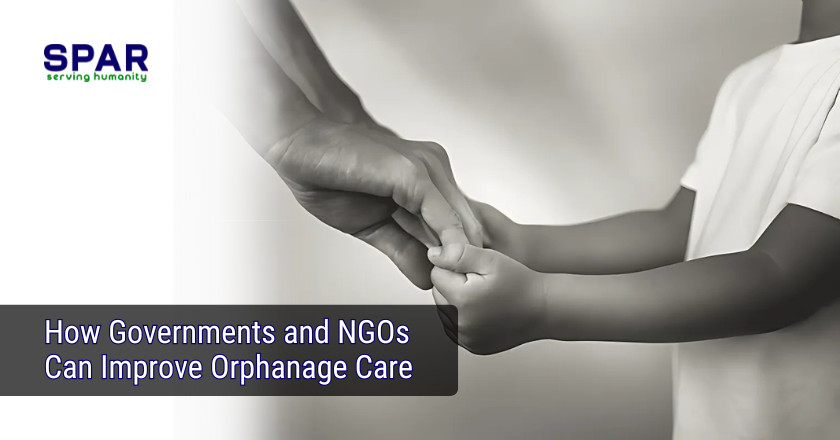
8. How Governments and NGOs Can Improve Orphanage Care
Governments and NGOs go a long way in supporting orphanages. How they help:
- Give Funds: They can grant money to the orphanages to enable them to give the best care.
- Programs: They can initiate programs that would give more resources, training, and health services to orphanages.
- Regulations: Governments can also set up rules that guarantee orphanages provide safe and quality care for children.
Together, these organizations help in improving the lives of orphaned children.
9. The Need for Better Resources in Orphanages
Most of the orphanages are suffering due to a lack of resources. They may not have adequate staff, proper facilities, or educational programs. This can affect the quality of care children receive.
To make orphanages better, funding, staffing, and supplies are needed. Orphanages, to be better for the children, need the help of governments, NGOs, and individual contributions.
10. How Orphanages Help Break the Cycle of Poverty
The orphanage takes the children out of the poverty cycle. The orphanages give education, shelter, and care that help the children to grow up in a safer and healthier environment. This allows the children to live better lives regardless of their backgrounds and builds a better future.
When orphaned children get the much-needed assistance in life, they will easily become successful individuals who prove very beneficial to society.
Conclusion: Which class is most closely related to orphanage?
Orphanages have the closest relationship with the lower class, since these children suffer most in such situations. However, it’s something that everyone can help with. Whether middle class or upper class, anyone’s support would be appreciated. Let us all work together to ensure orphanages are well-equipped to take care of these helpless children.
Which class is most related to orphanages?
The lower class is most associated with orphanages because many children in the orphanages emanate from low-income-earning families that have problems such as poverty and sickness.
How can middle and upper classes help orphanages?
The middle and upper classes can help orphanages by donating money, volunteering time, and making the needs of orphaned children better known.
How do orphanages help children from low-income families?
These institutes cater to orphan kids with shelter, education, food, and emotional strength
What are some of the challenges faced by the orphanages?
Orphanages usually face several problems, which include inadequate funds, a scarcity of workers, and high building rents that consequently threaten the quality of care provided in an orphanage.
Why is there a poverty-related linkage to orphanages?
It is related to orphanages because poor families may not be able to afford to feed their children and end up abandoning them in the streets or orphanages.
How can orphanages break the cycle of poverty?
The orphanage breaks the poverty cycle by offering a child tools for success in life through education and emotional support.
What is the role of the government toward orphanages?
Funding, setting of regulations, and programs are provided by governments to ensure orphanages can offer safe and quality care for children.


 Secure
donation
Secure
donation