If You Don’t Pay Zakat, Are You a Kafir? Islam Guidance
Zakat constitutes one of the five pillars of Islam and a core component of a Muslim’s religious obligations. But many Muslims ask: If you don’t pay Zakat, are you a kafir? Since Zakat is not only an act of free will but an order from Allah. Such a key pillar of Islam, and not paying any heed to that is a matter of great concern. This article is about whether not giving Zakat renders the person a kafir or simply a significant sin. We’ll also be explaining the spiritual and social consequences of failing to properly fulfill Zakat and how Muslims can ensure that they do so.
What is Zakat?
In order to answer the question, we need to know what Zakat is. Zakat is one of the five pillars of Islam and is a form of almsgiving obligatory for all Muslims to pay each year. It entails donating 2.5% of everyone’s wealth, savings, and possessions to those who are less fortunate. This should be done after passing a complete lunar year and is applicable to wealth exceeding the age of nisab.
It is not only for purifying wealth; it is also for creating a sense of community and a sense of responsibility among Muslims. Muslims are urged to provide for the less fortunate by donating, reminding them of their commitment to assist those in need and to bridge social disparities.
What Does “Kafir” Mean?
A kafir is, in Islam, someone who does not believe in the fundamental teachings of Islam. So the other person must believe in the oneness of Allah, that Muhammad (PBUH) is the last prophet, a kafir, and disbelief in the core principles of Islam. It is a serious epithet in Islam, one that has often been tied to everlasting punishment in the afterlife.
But does failing to pay your Zakat amount to the denial of core Islamic teachings? So, let’s explore further the link between Zakat and kafir status.
Does Not Paying Zakat Make You a Kafir?
Is, however the simple answer to the question? If not, not necessarily. However, it can be more complicated than that, and there are several key points to keep in mind. Islamic perspective on not giving Zakat is a serious issue that can be just an act of disobedience and not kufr unless necessarily a rejection of its giving becomes a habit or an act.
- Denial of Zakat as an Obligation
To reject Zakat as an obligation for the person who accepts it amounts to denying one of the five foundations of the Islamic faith. They could be katana theirs because denying one of the five pillars of Islam is a denial of already the Maqbool of Asaylah. It is not simply an act of negligence; it is a matter of belief.
Allah makes a clear line drawn between who is a believer and a practiced Muslim and who is not, in saying that those who disconnect the two acts are clearly not among them. Allah (SWT) commands us in Surah Al-Baqarah: “And establish prayer and give Zakat” (Quran 2:43). The one who denies the duty of Zakat would be denying a command from Allah, which is a serious matter.
- Without rejecting Zakat, neglecting it.
However, if someone does not pay Zakat but believes it is still an obligation, this is a major sin, but he is not a kafir. A person may evade Zakat because of idleness, oblivion, or economic constraints. This is still a sin; the person is still within the fold of Islam, and he can seek repentance from Allah.
Imam Ahmad ibn Hanbal, one of the most outstanding Islamic scholars, said, “A person who refuses to pay Zakat after being informed of his obligation is considered to have left the faith. This means if a person refuses payments after they come to know about their obligation, it can be seen as a sign of non-acceptance of Islam.
What Happens if You Don’t Pay Zakat?
There is, however, what you can do, and that is that you need to pay Zakat to fulfill one of the religious obligations. But the consequences will differ, depending on whether you are simply ignoring it from ignorance or negligence or knowingly rejecting it. So, let us elaborate on the repercussions of missing Zakat:
- Spiritual Consequences
Zakat helps in the purification of an individual’s wealth and soul. Neglecting Zakat means losing out on the spiritual fruits of this pillar for a Muslim. If you do not pay Zakat, Allah may weaken his bond with you and start being angry with you.
Our prophet Muhammad (P.B.U.H.) said: “A person who has wealth but does not pay his Zakat is not a believer. Thus, Zakat is an expression of one’s faith and sincerity.
- Social Consequences
One particular aspect that sets Zakat apart from traditional charity is its social significance. Hence, if you are not paying Zakat, you are denying the poor and needy, which causes more injustice in the system. Zakat aims to circulate wealth and help the poor; possessing it contradicts its goal.
- A Legal Obligation in Some Countries
In certain Muslim-majority nations, the payment of zakat is mandated by law. In some cases, they might be fined or penalized for failing to pay Zakat. Even if it is a non-Islamic country, one should not forget Zakat; otherwise, within your society, you and yourself may feel guilty for not giving Zakat.
Can You Repent for Not Paying Zakat?
So those who have not paid Zakat in the past should not worry and hope in the mercy of Allah that they can seek forgiveness and pay it now. There is no mercy like Allah (SWT). He always looks to forgive those who genuinely repent for their wrongdoings. It means realizing that you are wrong and wanting to change your wrong action, then you repent to Allah and vow not to ignore Zakat next time.
The Prophet Muhammad (PBUH) said: If a person makes Toba of his sins, Allah will forgive him, although his sins are as much as the weight of the earth.
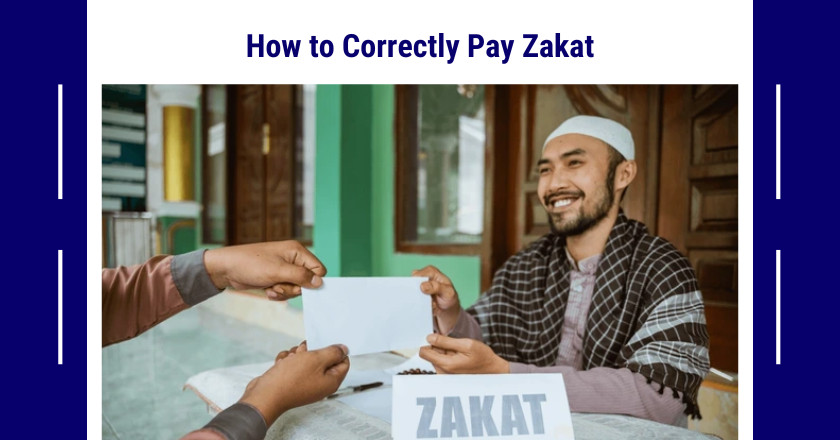
How to Correctly Pay Zakat
Here’s a simple guide on how to calculate and distribute your Zakat so that you make sure all of it goes to your obligation.
- Calculate Your Wealth: Zakat is due on wealth that meets the nisab (the minimum amount of wealth). That includes money, cash, savings, investments, gold, silver, and other assets.
- Pay 2.5%: After you’ve calculated how much wealth you have, you need to pay 2.5% of it to eligible recipients, like the poor, orphans, or those in debt.
- Focus On The Right Recipients: Make sure your Zakat reaches eligible recipients. These relevancies cover not just the ones who are poor and needy but orphans, travelers, and struggling debtors as well.
Final Thoughts:
The latter, the idea that neglecting to pay Zakat renders one a kafir, is essential. Although the failure to make Zakat payments does not re-obtain the kafir of an individual, irresponsibility in Zakat is a grave sin. It is a fundamental aspect of practicing as a Muslim, and failing to perform zakat harms your spiritual state and that of your community. If you still need to perform Zakat, there is still time to fulfill this obligation. There are two matters you need to look into; one is to repent, pay your Zakat, and continue trying to purify your wealth and your soul for Allah.
Am I a kafir if I don’t pay Zakat?
You are not a kafir for not paying Zakat unless you deny its obligation. Failure to pay Zakat is a grave sin, but it does not automatically make you an apostate.
Can I pay Zakat late?
Of course, on time is better, but late is far better than not at all. You must pay as soon as possible and repent for the delay.
What if I did not realize I had a Zakat obligation?
When you did not know about the Zakat obligation, you were not a kafir. Once you learn, start paying it regularly.
Can I give my family Zakat?
It is also important to note that you cannot give Zakat to your close family members—such as your parents, your children, or your wife/husband—because you are already responsible for meeting their financial needs.
Do I have to pay Zakat if I am not wealthy?
If your wealth does not reach the Nisab level, you do not have to pay Zakat.