How to Pay Zakat Al-Fitr: Everything You Need to Know
Pay Zakat al Fitr, a beautiful act of charity and one of the cornerstones of Islam, marks the end of the holy month of Ramadan. Zakat Al-Fitr is an obligatory act for all Muslims that purifies fasting, assists the less fortunate, and celebrates Eid. This is a small but mighty effort that fosters unity amongst the Muslims and guarantees that we can all enjoy our Eid with dignity and joy.
Initially, Zakat Al-Fitr was considered a type of charity, but in reality, it is accepted by simple law. Whatever you’re donating, food or cash, what counts most is your intent and your sincerity.” This guide will explain the process of giving Zakat Al-Fitr, explain its significance, clarify who is responsible for paying it, and ensure it reaches the intended recipients on time.
So, let’s get into everything you need to know to make this beautiful obligation a reality.
What is Zakat Al-Fitr?
Fitrana, which is also known as Zakat Al-Fitr, is an obligatory welfare that Muslims offer after the completion of Ramadan. Zakat Al-Fitr distributes a fixed sum to the less fortunate, enabling them to celebrate Eid, unlike Zakat, which is based on wealth.
The Prophet Muhammad (pbuh) said:
“Zakat Al-Fitr is the work of the humble person to purify him from idle speech and misbehaviour and to feed the poor.” Sunan Abu Dawood)
This serves two purposes,” it states, “to purify the fasting man and to provide for those in need.”
Why Do Muslims Pay Zakat Al-Fitr?
There are many important reasons why we give Zakat Al-Fitr
1. Purifying the Fast
Ramadan is a month of spiritual growth, but we all falter. Zakat Al-Fitr purifies your swiftly for minor lapses, such as idle talk or mistakes made accidentally.
2. Supporting the Needy
This charity makes sure that those who are less fortunate are able to celebrate this Eid without worry. It gives them food or financial assistance to take care of their basic needs.”
3. Strengthening the Ummah
When Muslims pay Zakat Al-Fitr, they contribute towards building a healthier, more caring society. It reminds us of our collective duty to take care of one another.
Who Must Pay Zakat Al-Fitr?
Zakat Al-Fitr is obligatory on every Muslim who has enough food or wealth to sustain himself or herself and their family members for the day and night of Eid.
Key Rules:
1. Every Muslim Must Pay
It is for all believers—men, women, and young children.
2. Pay on Behalf of Dependents
The senior family member is responsible for paying Zakat Al-Fitr on behalf of the following dependants:
- Spouses
- Children
- Elderly parents
- Even newborn babies
If you have dependents, time the number for each in your family.
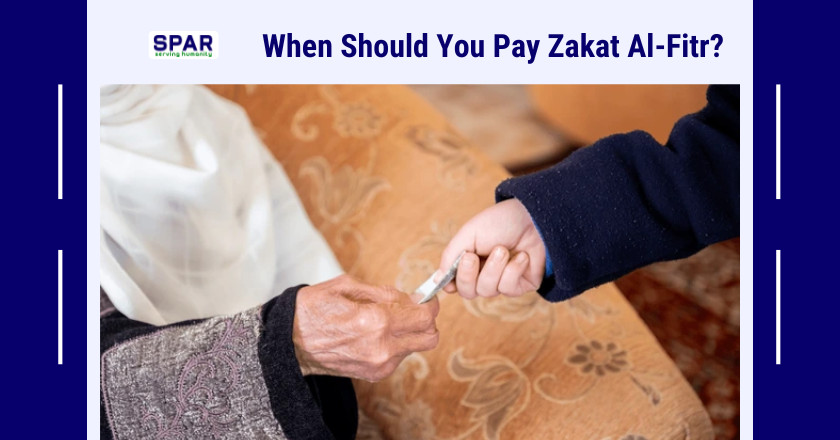
When Should You Pay Zakat Al-Fitr?
One of the most important aspects of giving Zakat al-Fitr is its timing.
1. Pay Before the Eid Prayer
The Prophet Muhammad, peace be upon him, said:
“Paying Zakat Al-Fitr before the Eid prayer is considered Zakat.” Therefore, giving it after prayer is solely an act of charity. Sunan Abu Dawood)
You are precisely one or two days away from Eid; enjoy a day or two.
Paying it early enables recipients to get ready for Eid celebrations.
3. Don’t Delay
If you pay Zakat Al-Fitr after the Eid prayer, it will no longer be included in Zakat. Instead, it will be considered a general charity.
How Much Should You Pay for Zakat Al-Fitr?
Each year, the cost of staple foods like wheat, rice, barley, or dates determines the amount of Zakat Al-Fitr.
1. The Standard Measurement
The required quantity is one sa, an ancient measurement equivalent to approximately 2.5 to 3 kilograms of food per person.
2. Paying in Money
However, these days many Muslims opt to pay the cash equivalent of this food. This is fine, provided the quantity corresponds to the local price of the staple food.
- Example Calculation
It’s $5 for one sa‘ of rice, and if you are paying for a family of four, your total for Zakat Al-Fitr will amount to $20.
How to Pay Zakat Al Fitr
1. Choose the Right Recipient
However, people in genuine need should receive well-deserving Zakat Al-Fitr donations. Eligible recipients include:
- The poor
- The destitute
- Orphans
- Widows
- Travelers in need
Make sure the recipients of Zakat receive it.
2. Decide Between Food or Money
You can pay the Zakat Al-Fitr in the following form:
- Staple food (rice, wheat or dates, for instance)
- Cash equivalent, ensuring that it is equal to the local cost of the food
3. Give It on Time
Make sure that your Zakat reaches its recipient before the prayer for Eid. For direct distribution, and if in doubt, work with trusted organizations or mosques.
Who Cannot Receive Zakat Al-Fitr?
Not everyone is eligible to receive Zakat Al-Fitr.
Ineligible Recipients
- A direct family member is defined as a parent, child, or spouse.
- Rich people who don’t actually need them.
Benefits of Paying Zakat Al-Fitr
1. It Purifies Your Wealth
Zakat purifies your earnings and is a source of blessing in your wealth.
2. It Increases Unity
Zakat Al-Fitr builds a relationship between Muslims by reminding each other to take care of each other
3. It Brings Rewards from Allah
You will receive abundant rewards for fulfilling this duty both in this life and the next.
Common Mistakes to Avoid
1. Paying Late
You must pay Zakat Al-Fitr before the Eid prayer.
2. Neglecting Dependents
Remember to perform the Zakat calculations for each dependent at home.
3. Distribution to Inadmissible Recipients
Make sure every Zakat you give goes to someone who really needs it.
Practical Tips for Paying Zakat Al Fitr
- Get It in Before Then: Do the math for your family ASAP.
- Use Trusted Channels: Work with local mosques or organisations to make sure Your donations are correctly distributed.
- Be Generous: If you can afford to donate more than the minimum amount, do so.
Teaching Children About Zakat Al-Fitr
Instilling Zakat Al-Fitr in Your Children Getting children involved in Zakat Al-Fitr helps teach them about generosity and giving. Here’s how:
- What is Zakat all about in its simplest form?
- Let them assist in packing food or sorting donations.
- Help them set aside a small donation from their allowance to save for charity.
Final Thought
In addition to a financial liability, Zakat Al-Fitr is love, care, and faith. It purifies your fast, assists the poor, and brings happiness to others on Eid when you pay it on time and with sincerity.
So go ahead and calculate, plan, and allocate your Zakat warmly. In doing this, you complete one of the beautiful teachings of Islam, as well as bring innumerous blessings into your life.
What is Zakat Al-Fitr?
Zakat Al-Fitr is a mandatory charity given at the end of Ramadan to purify fasting and help the needy.
Who must pay Zakat Al-Fitr?
Every Muslim who has enough food or wealth for Eid day must pay it.
How much is Zakat Al-Fitr?
It’s about 2.5 to 3 kilograms of staple food or its monetary equivalent per person.
When should one pay Zakat Al-Fitr?
You must make the payment before the Eid prayer, ideally a day or two in advance.
Is it possible to give Zakat Al-Fitr in cash?
Yes, as long as the monetary value matches the cost of the staple food.
Who can receive Zakat Al-Fitr?
The poor, needy, orphans, widows, and travelers in need can receive it.
What happens if I pay Zakat Al-Fitr late?
If paid after the Eid prayer, it will count as general charity, not Zakat Al-Fitr.