

How to Help a Child Who Struggles with Transitions
Transitions, aka going from one routine or activity into another, can be very difficult for children (especially those sensitive to new environments or abrupt changes). If you have a child struggling with transitions, we can provide some practical tips and tricks for helping them. From creating routines to implementing visual techniques, the following children with autism strategies provide real-life assistance in reducing overwhelming feelings of change and cultivating self-regulation, whether tradition or change. Here are tips for leading children through transitions with confidence and loving care.
1. Learn Why Some Kids Have a Tough Time With Transitions
Each child comes into the world with a different temperament, and some children have more trouble transitioning than others. Anxiety, sensory sensitivities, or the need for predictability may be at play here. Moving from one activity to another or location can throw kids off, and children who need more preparation may have a hard time coping, potentially causing meltdowns.
Understanding why a child struggles with transitions is the first step in helping them. When you know the root of the problem, all things done can ease what leads to a stabbing sadness.
2. Set Clear Routines
Routines provide schedule and make life predictable, which helps several children feel safe. Organizing scheduled daily activities such as meals, playtime, and bedtime will reduce the amount of transitioning that your child may not see coming. Children who understand what to anticipate feel healthier and can handle ameliorations.
Consider establishing a consistent morning and evening routine each day. Utilize visual schedules to promote following through on this routine, and then children will know exactly what they are going to be doing next without surprises.
3. Prep Transitions With Visual Cues
Visual aids (charts, timers, or pictures) are very effective in helping children know what to expect before a transition. The visual cues also give children something to expect and provide a reference point for those impending changes. You can prompt transitions from one thing to another with a timer (you will begin cleaning up when the sand runs out) or create a visual day plan that lists events in order, providing an alert.
For instance, if play will end soon and for the day, a timer serves as a visual reminder signalling approaching change. Children, especially younger children with development challenges, focus on visual aids.
4. Provide Transition Signals
One of the most impactful strategies is also one of the simplest: briefing children before a transition takes place. For example, if you say, ‘We have five more minutes of playtime, and then it is time for lunch,’ your child will hear this and start to shift their focus rather than the sudden change coming out of nowhere. Sudden transitions are difficult for kids, and warnings give them a peaceful few seconds to process the changes.
The ending paragraph should read: Be sure to give at least a few minute warnings prior to each transition in terms understandable by the child’s age and mental cognizance. If they feel five minutes is too long or short, change the warning time to their preference.
5. Use Reinforcement in Transition Activities
Studying adaptation is a lesson they will learn through practice. You can easily do this by introducing fun, low-stakes transitions. For example, participate in an activity that requires frequent changes, like playing a game of dance freeze, where your child is practicing stopping one action and moving to the next rapidly.
When you start leading them through these play transitions smoothly, praise their adaptability or give small rewards. This helps them be more confident with transitions and makes more sense for positive changes.
6. Offer Transition Items for Comfort
When a child’s anxiety is high or their resistance to change is heightened, cuddling with their favourite stuffed animal or blankie can serve as an analogy for security. They can provide comfort and stability for children who are processing change.
For example, if it is hard to transition from home to daycare/school, having him/her bring a comfort object may help soothe any anxiety about this change. Over time, they may become less dependent on the item, but it is a great crutch for the transitions in the beginning.
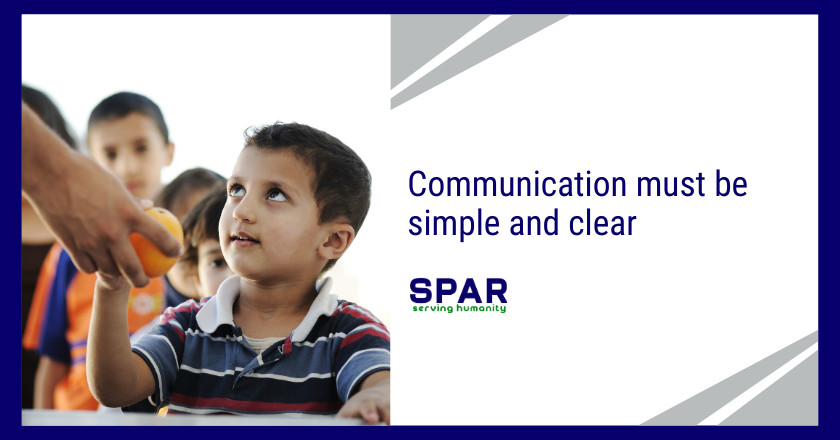
7. Communication must be simple and clear
Children respond best when they know the rules in unambiguous language. Instead of long narratives, give minimal instructions such as “Let’s put our toys away now,” or We are going to the park after lunch.” Clear and simple language will be more immediately understood by a child who is already anxious about it.
If your transition is multi-step, break it down. We will first wear our shoes, then pick up the bags, and then go to the car. This makes the whole process manageable and easy to understand.
8. Establish Transition Rituals
If kids have positive experiences with transitions, they can associate changes with fun things happening. You might want to add some novelty to the transition process, like a catchy “clean-up song” when it is time for your children or you!—to put away toys or reward good behavior after leaving a playdate with something small.
EROISON RESISTENTE-Incentives Only For those who are particularly resistant to certain transitions, focus on the positive aspects of what comes next. If they are reluctant to leave the park, promise them a fun story you will read together at home. Transitions become more palatable because they come with these associations.
9. How to Relax when Transitions are Stressful
Teach children simple relaxation techniques, such as deep breathing or counting to five, when a transition becomes particularly difficult. These methods can empower children to manage their own feelings, especially when used with a child who is discontent or anxious about moving into the next activity.
Try to practice these techniques when things are not heated so your child can become familiar with them. Then, when needed during a transition, your child will already have some tools in the toolbox.
10. Be Patient and Use Positive Reinforcement
Learning to navigate transitions is a marathon, not a sprint. Encourage small steps and celebrate the slightest success. Praise areas where your child struggles less with the transition to encourage perseverance.
When you can praise negative actions and positive behaviors, kids will feel that their efforts are appreciated, creating a better sense of self-esteem. They will grow more resilient and adaptable over time, so your transit should go smoother.
Final Thought: Help a child who struggles with transitions
Assisting a child who struggles with transitions involves routine and structured transition practices, along which the child receives assurance in a step-by-step style but without force, coercion, or manipulation. With the help of tools such as visual supports, structured routines, and reinforcement strategies, you can provide great predictability that allows your child to cope well with existential changes. Each step makes a difference, so even small strides over time can make transitions less foreign.
What Transitions Are Some Children Struggling With?
Many struggle with transitions due to factors such as anxiety levels or sensory sensitivities combined with an extreme need for routine. This causes sudden transformation, which is very difficult for them.
What Are Some Helpful Transition Visuals?
Visual supports, such as timers, picture schedules, or charts, give a clear signal of the next transition, making it easier for children to be ready when routine changes.
How do I prepare my child for significant changes?
Gradual preparation, such as getting used to the change by talking about it a lot before going there and seeing new places ahead of time, would all help build confidence.
How does positive reinforcement help with transitions?
As a result, praising children for their adaptability through positive reinforcement trains them to believe they are capable of transitioning well and helps remove some of the negative weight change tends to carry.
Are there relaxation strategies for children who are dealing with this problem?
So, if kids learn techniques like deep breathing and counting early during transitions, they won’t need a family member to calm them.



 Secure
donation
Secure
donation