

How Do Floods Affect Animals in Bangladesh? Reasons & Explanation
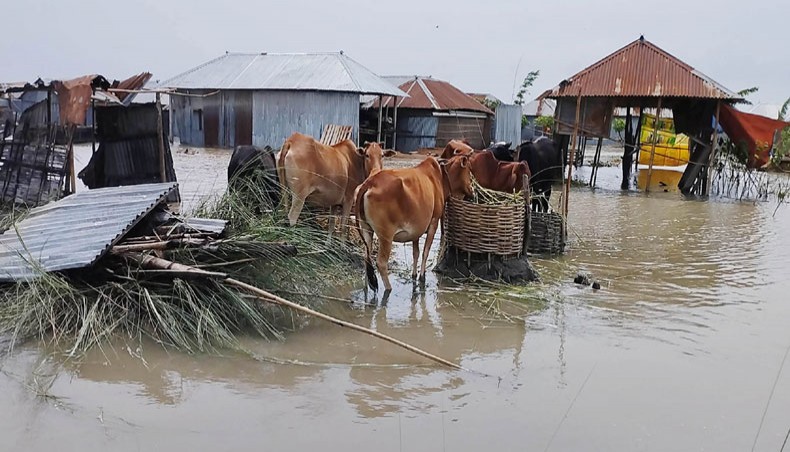
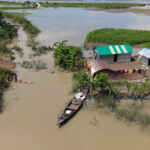
Floods are natural disasters that can cause serious problems for both people and animals. In Bangladesh, a country known for its rivers and heavy monsoon rains, floods are a common occurrence.
These floods can have a huge impact on the lives of animals, both wild and domestic. In this blog, we will explore how floods affect animals in Bangladesh, using simple language to help everyone understand.
How Do Floods Affect Animals in Bangladesh?
Loss Of Habitat
One of the biggest problems for animals during a flood is the loss of their homes. Just like humans, animals need a safe place to live, find food, and raise their young.
When a flood occurs, water covers large areas of land, including forests, fields, and wetlands. This means that animals lose their natural habitat, the place where they live and find everything they need to survive.
For example, deer, tigers, and elephants in Bangladesh’s Sundarbans mangrove forest can be forced to leave their homes when floodwaters rise. They may have to travel long distances to find dry land, which can be exhausting and dangerous.
Shortage Of Food And Water
Floods can also cause a shortage of food and clean water for animals. When the land is covered in water, plants that animals eat may be washed away or drowned.
This makes it difficult for herbivores like cows, goats, and deer to find enough food. Carnivores, like tigers and leopards, may struggle to find prey because other animals are also on the move, trying to escape the floodwaters.
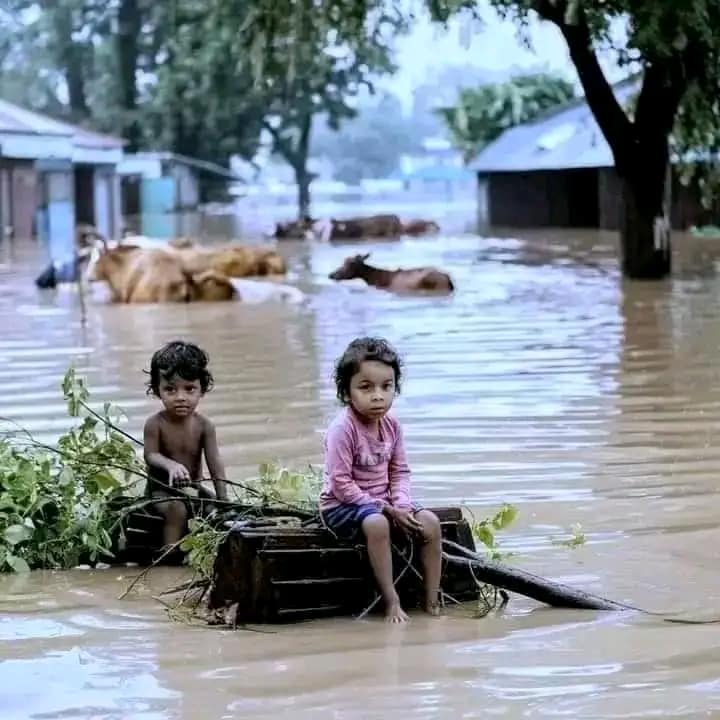
In addition, floodwaters can contaminate drinking water sources. Animals, like humans, need clean water to survive. When floods mix clean water with dirty water, such as sewage or chemicals from factories, it can make the water unsafe to drink. This can lead to dehydration and illness for many animals.
Drowning And Injuries
One of the most immediate dangers of floods is drowning. Animals that cannot swim well or find higher ground may drown in the rising waters.
This is especially true for smaller animals, like rabbits, chickens, and domestic pets, which may not have the strength to escape the fast-moving water.
Even animals that are good swimmers, like cows and buffaloes, can become exhausted after swimming for a long time and may drown. Injuries are also common during floods. Animals may get hurt by floating debris, such as branches or sharp objects, or they might fall into hidden holes or ditches under the water.
Separation From Families
Floods can separate animals from their families, just like they can with humans. For animals that live in groups, like elephants or deer, being separated from their family members can be very stressful. Young animals, in particular, rely on their parents for protection and guidance. If they are separated during a flood, they may not survive on their own.
Domestic animals, such as cows, goats, and chickens, can also become separated from their owners during a flood. This makes it harder for them to find food and shelter, and they may become lost or injured.
Increased Risk Of Disease
Floods create conditions that are perfect for the spread of diseases. Stagnant water, which is water that does not flow, can become a breeding ground for mosquitoes and other insects that carry diseases. Animals that are stressed, injured, or malnourished are more likely to get sick during a flood.
In Bangladesh, diseases like foot-and-mouth disease in cattle or avian influenza in birds can spread rapidly during floods. These diseases can weaken or even kill large numbers of animals, adding to the losses caused by the flood itself.
Displacement And Migration
When their habitats are destroyed by floods, animals are often forced to move to new areas. This displacement can cause problems not only for the animals themselves but also for the ecosystems they enter. For example, if a large number of animals move into an area that already has its own wildlife, there can be competition for food and space.
In Bangladesh, elephants and deer may move closer to human settlements during floods, leading to conflicts with people. Domestic animals that are displaced by floods may also end up in unfamiliar areas where they struggle to find food and shelter.
Impact On Aquatic Life
Floods affect not only land animals but also aquatic life, such as fish, turtles, and crocodiles. While some aquatic animals can benefit from the increased water levels, others may be harmed.
For example, fish may be swept out of their natural habitats and into areas where they cannot survive. Rapid changes in water levels and quality can also stress aquatic animals, making them more vulnerable to disease and predators.
Floodwaters can carry pollutants, such as chemicals and garbage, into rivers and lakes, contaminating the water and harming aquatic life. This can have long-term effects on the health of fish populations and other aquatic animals in Bangladesh.
Loss Of Livestock And Economic Impact
In Bangladesh, many people rely on livestock, such as cows, goats, and chickens, for their livelihoods. When floods occur, these animals are at great risk.
As mentioned earlier, they can drown, get injured, or become sick. Losing livestock during a flood can be devastating for farmers, as these animals are a source of income, food, and labor.
The economic impact of losing livestock can extend beyond individual families. Entire communities can suffer when floods wipe out large numbers of animals, leading to shortages of meat, milk, and other animal products.
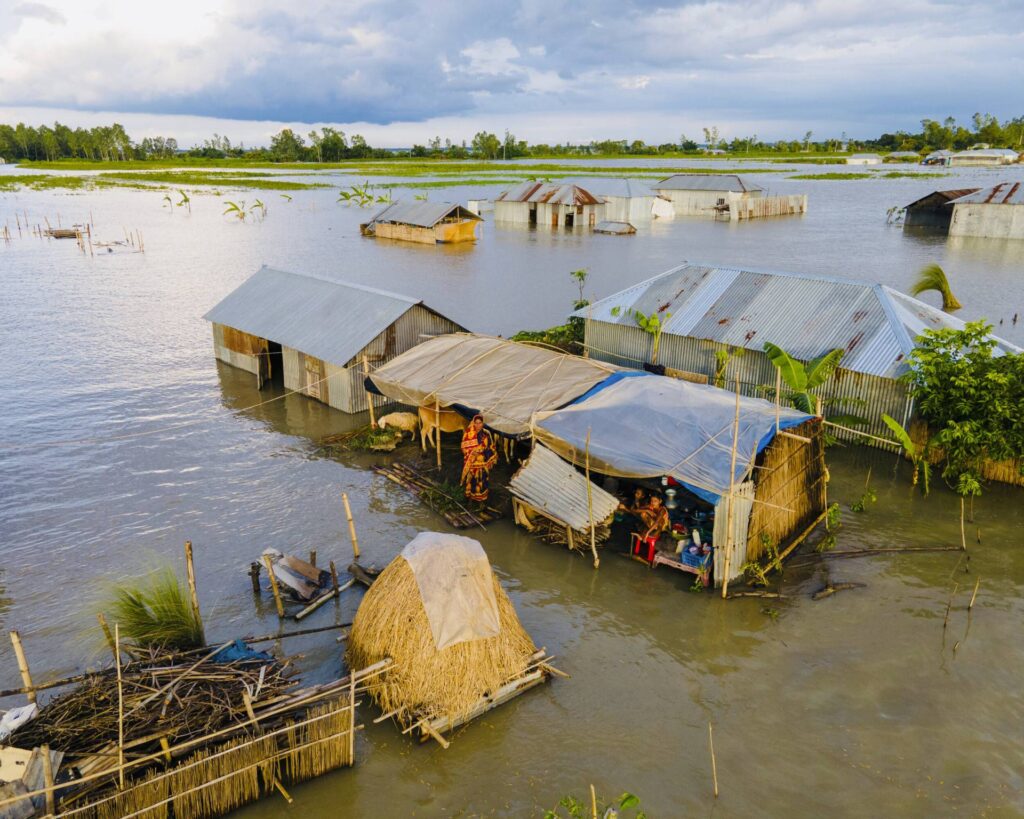
This can also drive up prices and make it harder for people to recover after the floodwaters recede.
Rescue And Rehabilitation Efforts
In the aftermath of a flood, efforts are often made to rescue and rehabilitate affected animals. This can include providing food, water, and medical care to injured or sick animals.
In Bangladesh, organizations and volunteers often work to save domestic animals that have been stranded by floods. Wildlife rescue efforts may focus on relocating animals to safer areas and ensuring that their natural habitats can recover.
However, these efforts can be challenging due to the scale of the disaster and the limited resources available. It can take a long time for animals to fully recover from the effects of a flood, and some may never return to their original habitats.
Long Term Effects On Wildlife Populations
The long-term effects of floods on wildlife populations in Bangladesh can be significant. Repeated flooding like this year in Bangladesh can lead to a decline in the number of certain species, especially those that are already endangered.
For example, the Bengal tiger, which lives in the Sundarbans, is already at risk due to habitat loss and poaching. Frequent floods can make it even harder for these tigers to find food and raise their young.
Floods can also change the landscape in ways that make it less suitable for certain animals. For example, if a forest is repeatedly flooded, it may eventually turn into a wetland, which may not support the same types of plants and animals that lived there before.
This can lead to a loss of biodiversity, which means fewer different types of plants and animals in an area.
FAQ
How Do Floods Impact Animals In Bangladesh?
Floods in Bangladesh can be very dangerous for animals. They can lose their homes, food, and sometimes even their lives. The strong water currents can wash them away, and the dirty floodwater can make them sick.
What Happens To Animal’s Habitats During A Flood?
When a flood occurs, it often destroys the places where animals live, like forests, fields, and riverbanks. The floodwater can also damage or completely wash away their shelters, leaving them without a safe place to stay.
Do Floods Cause Food Shortages For Animals?
Yes, floods can cause food shortages for animals. The floodwater can cover or destroy plants, grass, and other food sources, making it hard for animals to find enough to eat. This can make them weak and more vulnerable to diseases.
Can Floods Make Animals Sick?
Floods can make animals sick because the water is often dirty and full of germs. Animals that drink or swim in this water can get infections, skin problems, and other health issues. Additionally, the stress of the flood can weaken their immune systems.
How Do Floods Affect The Movement Of Animals?
Floods can force animals to leave their homes and move to new areas in search of safety and food. This migration can be dangerous, especially if they have to cross roads or human settlements. Some animals may also get lost or separated from their groups.
Conclusion
Floods have serious consequences for animals. From losing their homes and food sources to facing the risk of drowning, injury, and disease, animals are greatly affected by these disasters.
The long-term impacts on wildlife populations and ecosystems can be severe, making it important to consider how we can protect and support animals during and after floods.
By understanding how floods affect animals, we can take steps to help them survive and recover. This might include creating safe areas for animals to retreat to during floods, improving rescue and rehabilitation efforts, and protecting the natural habitats that animals depend on.
In doing so, we can help ensure that both people and animals in Bangladesh can thrive, even in the face of natural disasters.
 Secure
donation
Secure
donation