

What to Do if House Floods? | Steps to Make Sure Safety in Bangladesh
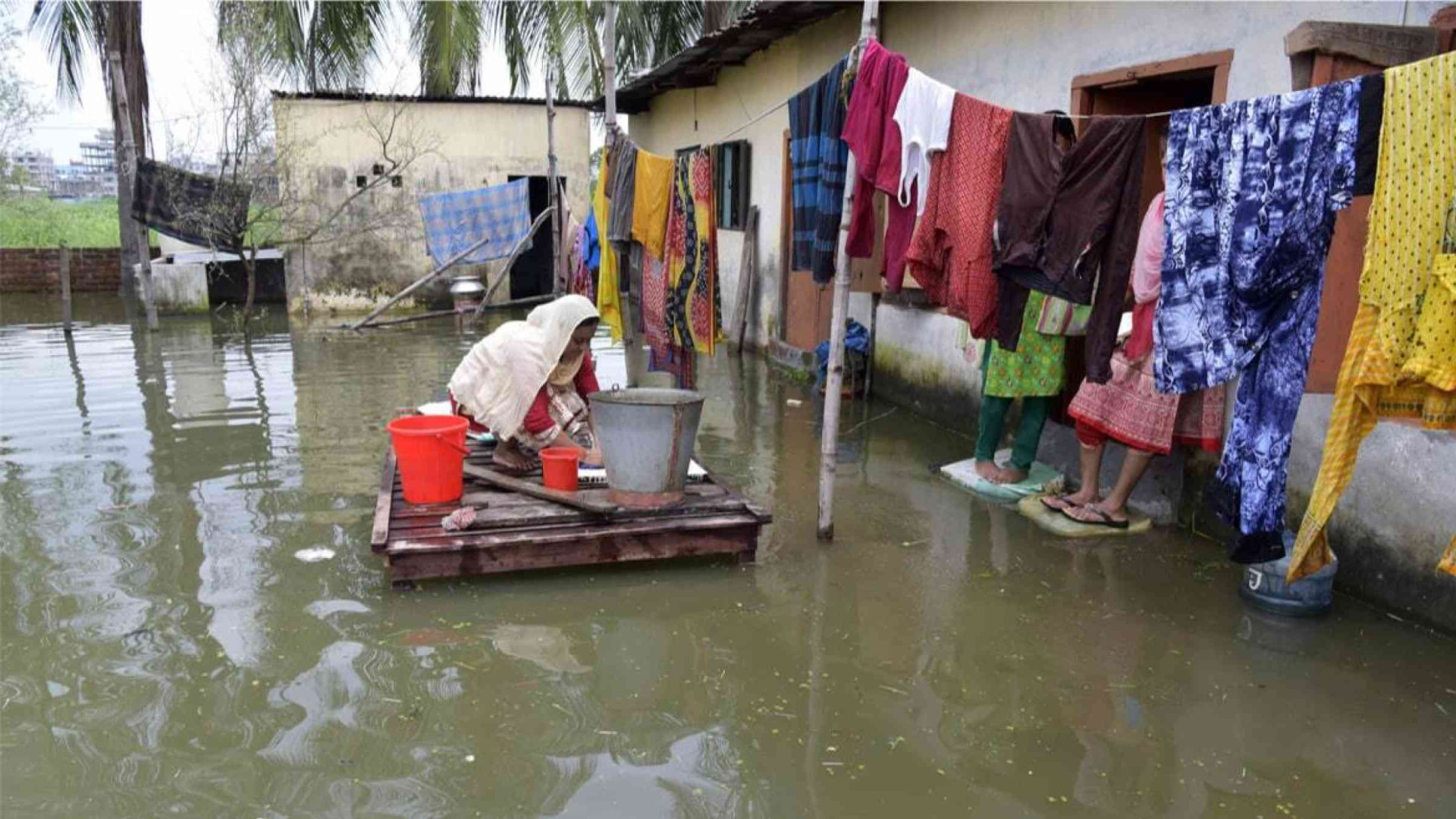
Floods are a common problem in Bangladesh. During the monsoon season, heavy rains can cause rivers to overflow, and water can quickly flood homes. If your house gets flooded, it can be scary and overwhelming. But don’t worry—there are steps you can take to stay safe and protect your belongings.
Steps To Do If House Floods
A flooded home can result from external events—such as extreme weather—or internal issues, including plumbing failures. No matter what the source of water is, you must take steps to protect your family.
Stay Calm And Act Quickly
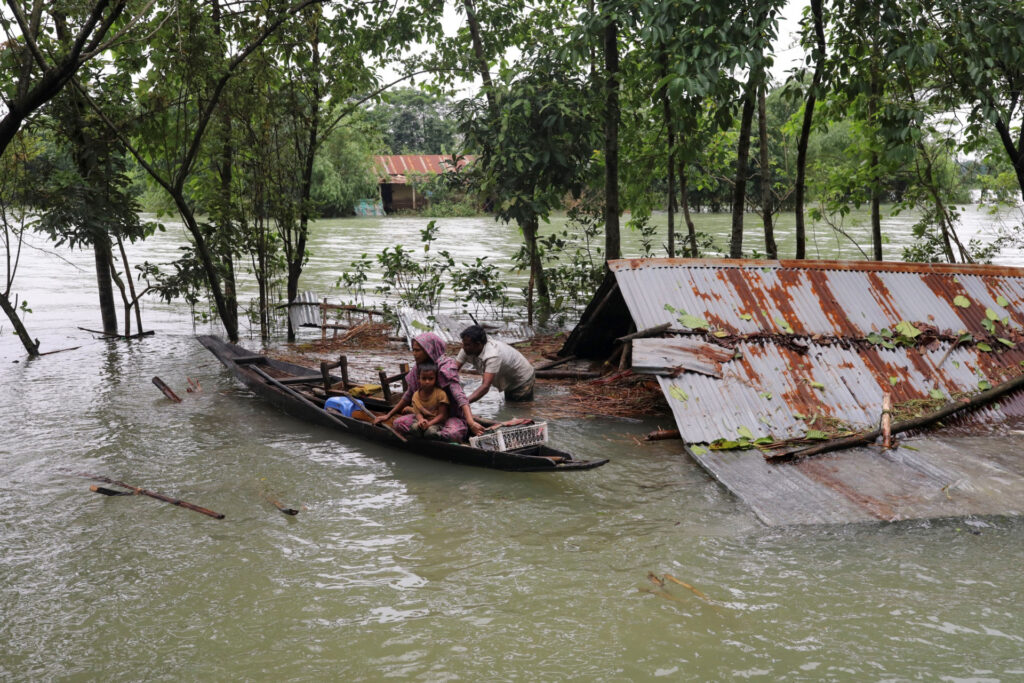
The first thing you need to do is stay calm. It’s normal to feel scared, but panicking won’t help. Take a deep breath and focus on what needs to be done. Time is important, so act quickly to protect yourself and your family.
Move To Higher Ground
If water starts entering your home, the most important thing is to move to a higher and safer place. If you live in a multi-story building, go to the upper floors. If your house is one-story and the water level is rising fast, it’s better to leave and go to a safer place nearby, like a neighbor’s house or a local shelter.
Turn Off Electricity And Gas
Water and electricity are a dangerous combination. If your house is flooding, turn off the electricity from the main switch if it is safe to do so. This will help prevent electric shocks or fires. Also, turn off the gas supply to avoid any gas leaks or explosions.
Protect Important Belongings
If there’s still time before the water gets too high, move important items to a higher place. These include:
- Important documents (like passports, IDs, and certificates)
- Valuables (such as jewelry or money)
- Electronics (like mobile phones, laptops, and chargers)
- Clothing (pack some clothes in a waterproof bag)
- Medicines and first aid supplies
Remember, your safety is more important than belongings. If the water is rising too fast, leave the house immediately.
Avoid Walking In Floodwaters
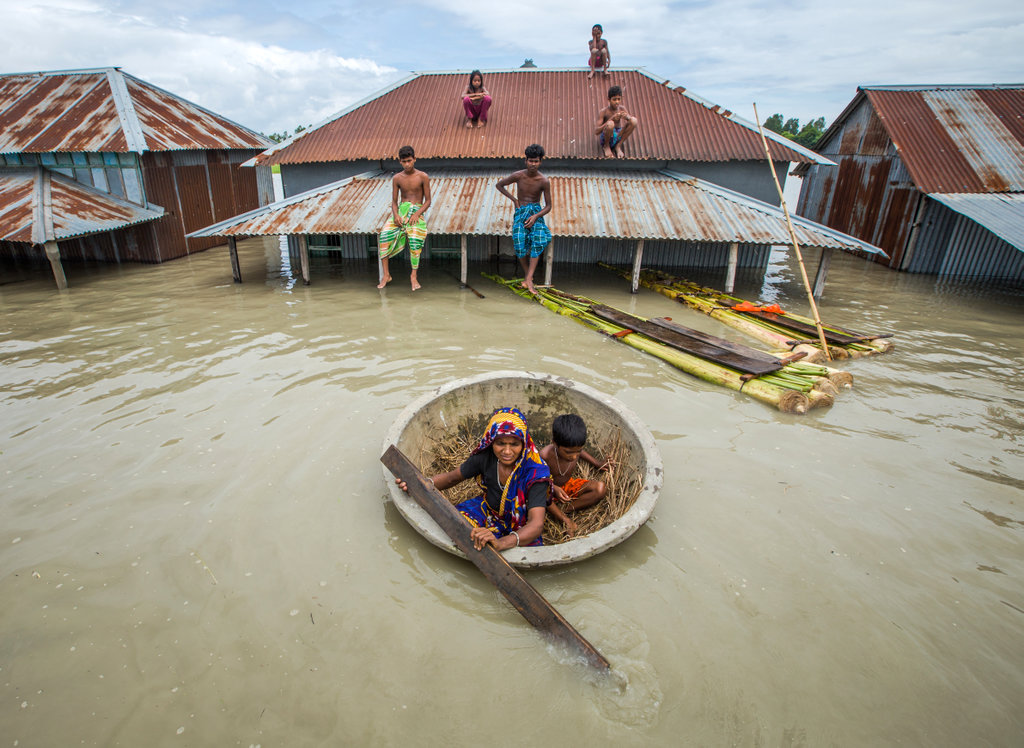
Floodwaters can be dangerous. They can hide sharp objects, open manholes, or dangerous animals like snakes. The water may also be contaminated with sewage and can cause infections. If you must walk through floodwater, use a stick to check the ground in front of you, and wear sturdy shoes if possible.
Listen To Local News And Authorities
Stay informed by listening to local news or following updates on your mobile phone if you can. Authorities might give important instructions, like where to go for shelter or when it’s safe to return home. Pay attention to these warnings and follow them carefully.
Move To A Shelter If Needed
In some cases, staying in your home might not be safe. If local authorities advise you to evacuate, go to the nearest shelter. These shelters are usually set up in schools, community centers, or other safe buildings. Bring necessary items like clothes, food, water, and important documents.
Keep Yourself Clean And Healthy
Floodwaters can carry germs and make you sick. After coming into contact with floodwater, wash your hands and feet with clean water and soap. Drink only bottled or boiled water to avoid waterborne diseases. If you feel unwell, seek medical help immediately.
How To Protect Your Home From Future Floods?
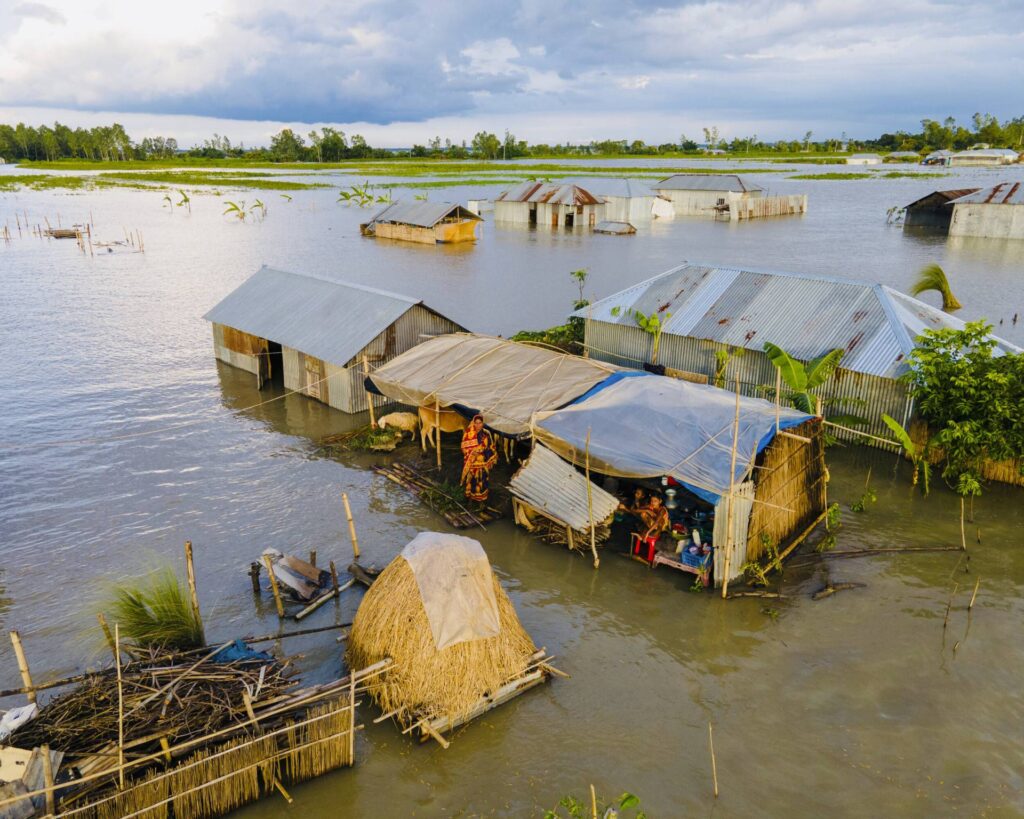
Once the floodwaters go down and you can safely return home, you might feel a sense of relief, but it’s important to plan for the future. To protect your home from future floods, consider raising electrical appliances to higher shelves, building small barriers around your house to keep water out, making sure your drainage system works well, and sealing any gaps in doors, windows, or walls where water could seep in.
What Steps We Should Take After Flood?
After a flood, stay safe by avoiding dirty water and damaged areas. Take photos of any damage for insurance. Clean and disinfect your home, and get help for repairs. Follow local advice and keep updated on the situation.
Clean Up Safely
Cleaning up after a flood is a big job, and it’s important to do it safely. Wear gloves and boots to protect yourself from contaminated water and sharp objects. Throw away any food that was touched by floodwater. Clean and disinfect all surfaces and items in your home to kill germs.
Take Care Of Your Mental Health
Floods can be very stressful, and it’s normal to feel sad, angry, or anxious after experiencing one. Talk to your family and friends about how you’re feeling. If you’re struggling, don’t be afraid to seek help from a counselor or mental health professional. Taking care of your mental health is just as important as taking care of your physical health.
Get Financial Help
If the flood damaged your home or belongings, you might be able to get financial help. The government or local organizations sometimes offer assistance to flood victims. Contact your local government office to find out if you qualify for any help.
Stay Positive And Strong
Going through a flood is a difficult experience, but remember that you’re not alone. Your family, friends, and community are there to support you. Stay positive, take things one step at a time, and know that you can rebuild and recover.
FAQ
What Should I Do First If My House Starts Flooding?
The first step is to ensure your safety and that of your family. If the flooding is severe, evacuate immediately and move to higher ground. If you have time, turn off the electricity and gas supply to prevent accidents. Avoid walking through floodwaters as they may contain harmful debris or be electrically charged.
How Can I Protect My Belongings During A Flood?
If you have enough warning before the flood, move valuable items, important documents, and electronics to higher levels of your home. Use plastic bins to store smaller items and place furniture on blocks or risers to keep them off the ground. Securely cover items with waterproof tarps if possible.
What Steps Should I Take After The Floodwaters Recede?
Once it is safe to return, document the damage by taking photos and videos. Begin the clean-up process by removing waterlogged items and drying out the house to prevent mold. Contact your insurance company as soon as possible to file a claim. Make sure to wear protective gear, such as gloves and masks, during the clean-up.
How Do I Prevent Mold After A Flood?
To prevent mold growth, thoroughly dry out your home by using fans, dehumidifiers, and opening windows for ventilation. Remove and dispose of any soaked materials, such as carpets or furniture, that cannot be thoroughly dried. Clean all surfaces with a disinfectant to kill any mold spores and keep the area well-ventilated.
What Financial Assistance Is Available If My House Floods?
Financial assistance may be available through your homeowner’s insurance policy, especially if you have flood coverage. Additionally, government programs and disaster relief organizations may offer aid to help cover the costs of repairs and temporary housing. Be sure to keep all receipts and documentation of expenses related to the flood for your insurance claim and any financial assistance applications.
Conclusion
Floods can be devastating, but knowing what to do can make a big difference. By staying calm, acting quickly, and following the steps above, you can keep yourself and your loved ones safe during a flood in Bangladesh.
After the flood, focus on recovery, protecting your home from future floods, and helping others in your community. Together, you can get through this challenging time and come out stronger on the other side.
 Secure
donation
Secure
donation