

History and Impact of Major Floods in Bangladesh
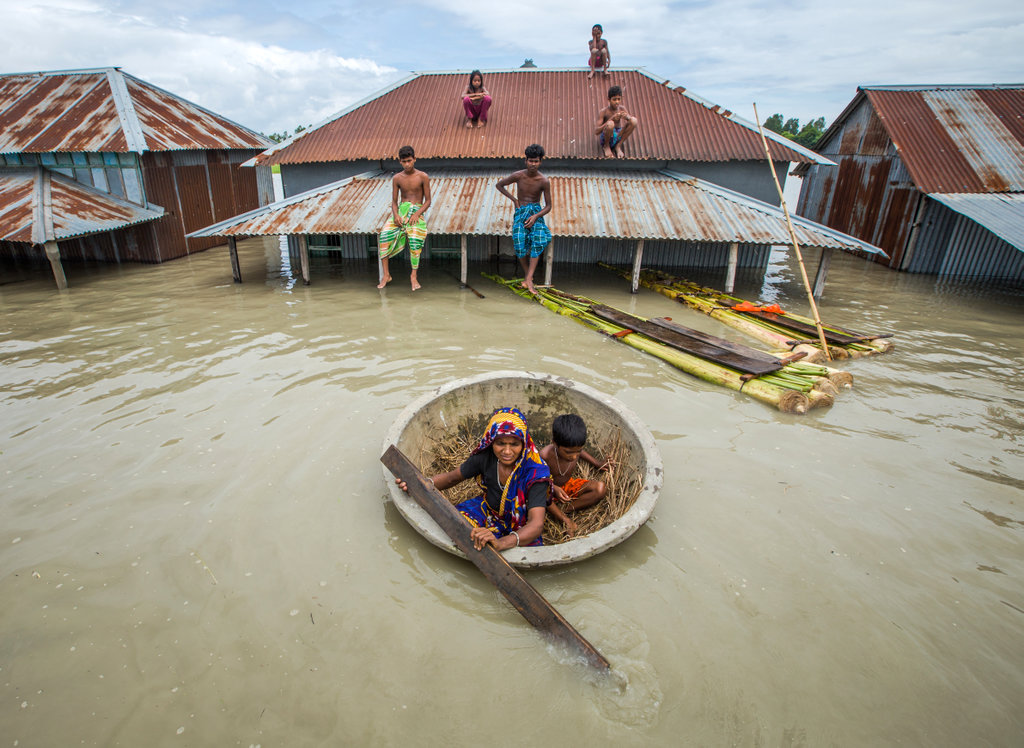
Bangladesh, a country in South Asia, is known for its lush green landscapes, winding rivers, and vibrant culture. However, it is also known for something far less idyllic: its frequent and devastating floods.
Floods in Bangladesh are a common occurrence, and they have shaped the lives, economy, and environment of the country for centuries.
This blog will explore some of the major floods in Bangladesh, their causes, impacts, and the efforts made to prevent and manage these natural disasters.
The Geography Of Bangladesh: Why Floods Happen
Bangladesh is situated in a low-lying delta formed by the convergence of three major rivers: the Ganges, Brahmaputra, and Meghna.
These rivers, along with their numerous tributaries, crisscross the country, making it one of the most riverine nations in the world. While this geography provides fertile land for agriculture, it also makes Bangladesh highly susceptible to flooding.
The monsoon season, which lasts from June to October, brings heavy rains that swell the rivers and often cause them to overflow their banks.
Additionally, the melting of snow in the Himalayas, which feeds these rivers, contributes to the rising water levels. Cyclones and storm surges from the Bay of Bengal further exacerbate the flooding, particularly in coastal areas.
A History Of Major Floods In Bangladesh
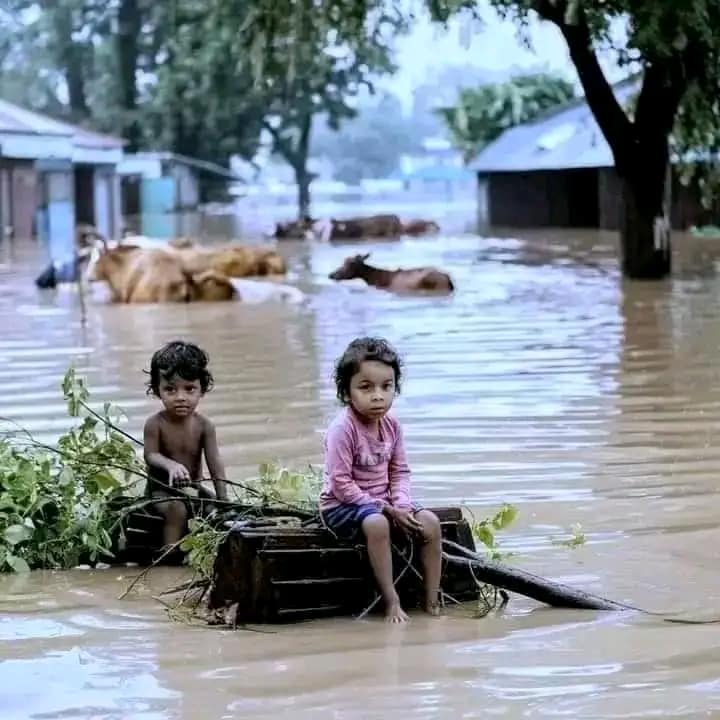
Floods in Bangladesh are not a new phenomenon. The country has experienced numerous significant floods over the years, each leaving a lasting impact on the people and the landscape.
Flood In 2024
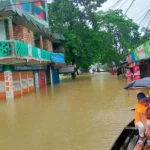
In August, Northeast India, Tripura, Assam, and Meghalaya all had heavy rain at the same time. After that, when the gates of electricity plants, barrages, and dams were opened, water rushed out. In seven transboundary rivers in Bangladesh, the upstream flow went over the danger level 14 times.
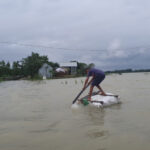
A lot of flood-control dams have broken, including the one on Gomati. There is flooding in Feni, Cumilla, Noakhali, Khagrachhari, Habiganj, Chandpur, Cox’s Bazar, Munshiganj, Sylhet, Lakshmipur, Chattogram, and Brahmanbaria. According to the last update, It has killed twenty people and hurt more than five million.
Too much rain in a short amount of time is the main cause of the August flood. Climatologists say that storms caused by too much rain and droughts are effects of climate change. Also, scientists have shown that global warming is making the climate disaster worse and that rich countries’ neoliberal, consumerist economies and systems are mainly to blame.
The 2007 Flood
The 2007 flood was another major disaster in Bangladesh’s history. The flood was caused by heavy rains during the monsoon season and the overflow of the major rivers.
The floodwaters covered large parts of the country, affecting millions of people. The flood caused extensive damage to homes, crops, and infrastructure, with many areas remaining underwater for weeks. The 2007 flood also highlighted the need for better disaster preparedness and response mechanisms in Bangladesh.
The 2004 Flood
In 2004, Bangladesh experienced yet another major flood. The flood was caused by heavy monsoon rains and the overflow of the Brahmaputra and Ganges rivers. The floodwaters covered over 38% of the country, affecting more than 36 million people. The flood caused extensive damage to homes, crops, and infrastructure.
The agricultural sector was particularly hard-hit, with thousands of hectares of farmland submerged under water. The 2004 flood also had a significant impact on the economy, as the country struggled to cope with the losses.
The 1998 Flood
The 1998 flood is often considered one of the worst in Bangladesh’s history. It was caused by a combination of heavy monsoon rains, the overflow of the major rivers, and the melting of Himalayan snow. The floodwaters covered nearly 68% of the country, affecting over 30 million people.

The flood lasted for more than two months, leaving a trail of destruction in its wake. Thousands of people were displaced, and the economic losses were estimated to be in the billions of dollars. The 1998 flood also highlighted the vulnerability of Bangladesh’s infrastructure, as many roads, bridges, and embankments were damaged or destroyed.
The 1987 And 1988 Floods
The floods of 1987 and 1988 were back-to-back disasters that caused widespread devastation in Bangladesh.
1987 Flood
The flood was caused by excessive rainfall in the Brahmaputra River basin. The floodwaters inundated over 50,000 square kilometers, affecting more than 20 million people.
The flood caused extensive damage to infrastructure, including roads, bridges, and embankments. The agricultural sector was also hit hard, with vast tracts of farmland submerged under water.
1988 Flood
Just a year later, Bangladesh was hit by another major flood. The 1988 flood was even more devastating, affecting nearly 60% of the country.
The floodwaters covered over 89,000 square kilometers, displacing millions of people and causing widespread destruction. The flood also had a severe impact on the economy as the country struggled to recover from the previous year’s disaster.
The 1974 Flood
The 1974 flood is one of the most devastating in Bangladesh’s history. The flood was triggered by heavy monsoon rains and the overflow of the Ganges and Brahmaputra rivers. The floodwaters covered nearly 36% of the country, affecting over 30 million people.
The impact was catastrophic: hundreds of thousands of homes were destroyed, and crops were ruined, leading to widespread famine. The 1974 flood also had long-term economic impacts, as the country’s already fragile economy was further weakened.
The 1954 Flood
One of the earliest recorded major floods in Bangladesh occurred in 1954. The flood was caused by excessive rainfall during the monsoon season, which led to the Brahmaputra River overflowing its banks.
The floodwaters inundated vast areas of the country, affecting millions of people. Crops were destroyed, homes were washed away, and many lives were lost. The 1954 flood was a wake-up call for the nation, highlighting the need for better flood management and disaster preparedness.
SPAR Supporting On 2024 Flood
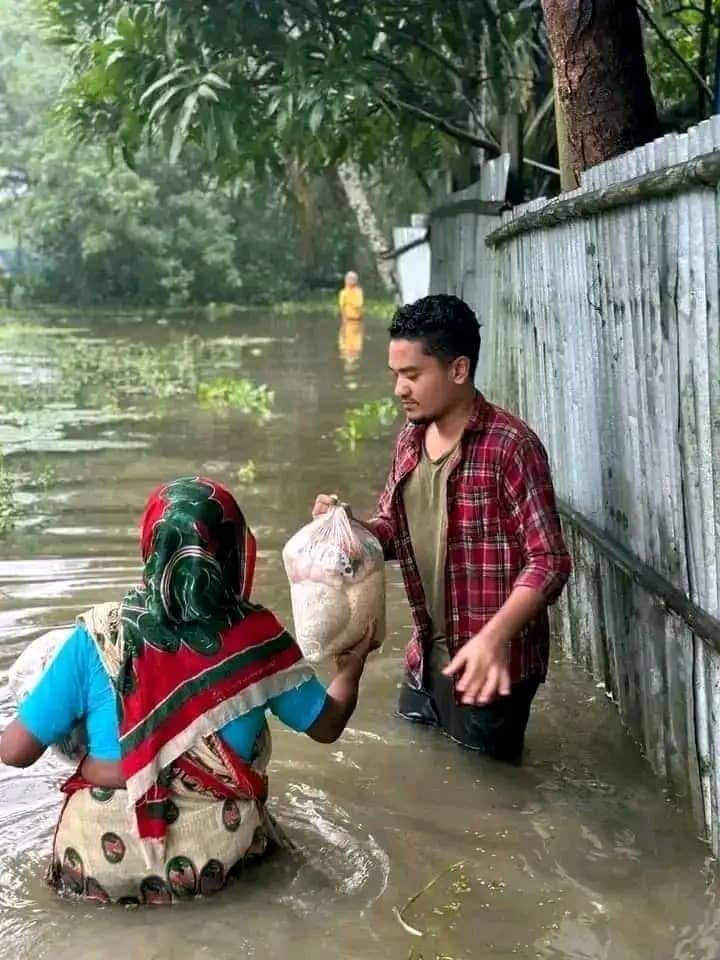
When floods hit, people lose their homes, their belongings, and sometimes even their loved ones. August Flood 2024 is the same as this. It’s a time of great fear and uncertainty. That’s where SPAR is on the field to provide much-needed help. Here’s how SPAR people during this flood.
Providing Shelter
Many homes were destroyed in the 2024 flood, and families are living in unsafe places right now. SPAR can set up emergency shelters in schools, community centers, or tents.
These shelters give people a dry place to sleep, protection from the elements, and a sense of security. It’s more than just a roof over their heads, it’s a place where they can start rebuilding their lives.
Food Support
SPAR is organizing food distribution for those families and ensures they receive nutritious meals in this tough situation. These meals can include rice, lentils, vegetables, and clean drinking water. Having enough to eat helps people stay strong and healthy, giving them the energy to cope with their challenges.
Medical Aid Support
Floods lead to injuries and the spread of diseases like cholera and diarrhea. SPAR sets up medical camps where doctors and nurses treat the injured and sick. They can also provide essential medicines, clean water, and sanitation kits to prevent the spread of diseases. This medical help can save lives and keep communities healthier.
Rebuild Support
After the immediate crisis has passed, SPAR can continue to support people as they rebuild their lives. This might include helping with house repairs, providing school supplies for children, or offering mental health support to those traumatized by the disaster. Recovery takes time, and SPAR can be there every step of the way.
By providing shelter, food, and medical aid, SPAR can help flood victims survive, recover, and rebuild their lives. Your support is a lifeline to those in desperate need, helping them find hope even in the darkest of times.
The Human Impact Of Floods
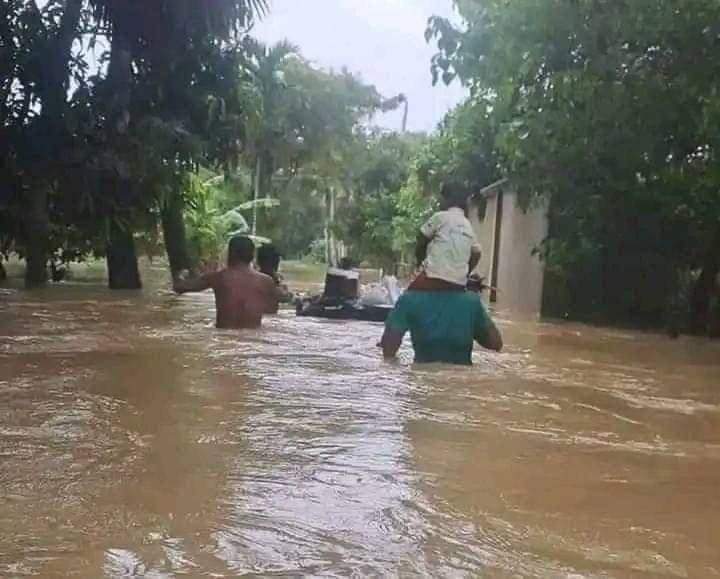
Floods in Bangladesh have a profound impact on the lives of its people. The immediate effects of floods include loss of life, displacement, and destruction of homes and infrastructure. However, the long-term impacts can be even more devastating.
Displacement And Homelessness
Floods often force people to flee their homes, seeking shelter in temporary camps or with relatives in safer areas. Displacement can last for weeks or even months, as floodwaters take time to recede and rebuilding efforts begin.
The loss of homes and belongings can leave families destitute, struggling to rebuild their lives from scratch.
Loss Of Livelihoods
Agriculture is the backbone of Bangladesh’s economy, and floods can have a crippling effect on this sector. Crops are often destroyed by floodwaters, leading to food shortages and loss of income for farmers. Livestock, another important source of livelihood, can also be lost in the floods.
The destruction of infrastructure, such as roads and bridges, can further disrupt economic activities, making it difficult for people to access markets and earn a living.
Health Risks
Floods also pose significant health risks to the affected population. Stagnant floodwaters can become breeding grounds for mosquitoes, leading to the spread of diseases such as malaria and dengue fever.
Contaminated water sources can cause waterborne diseases like cholera and diarrhea, which can be deadly, especially for children. Access to healthcare is often limited during floods, exacerbating the health crisis.
Environmental Impact
Floods can also have a lasting impact on the environment. The erosion of riverbanks and the deposition of silt can alter the course of rivers, leading to changes in the landscape.
Floodwaters can also wash away topsoil, reducing the fertility of the land and making it difficult for farmers to grow crops. The destruction of forests and wetlands, which act as natural buffers against floods, can further increase the vulnerability of the land to future floods.
FAQ
What Are The Main Causes Of Major Floods In Bangladesh?
Major floods in Bangladesh are usually caused by heavy rainfall, overflowing rivers, and tropical cyclones. The country’s location near the Bay of Bengal and its many rivers make it prone to flooding, especially during the monsoon season.
How Do Floods Affect The People In Bangladesh?
Floods can cause severe damage to homes, crops, and infrastructure. Many people lose their homes and belongings, and it can take a long time to recover. Floods also bring health risks, like waterborne diseases, which can spread quickly in affected areas.
What Steps Does The Government Take To Manage Major Floods?
The government of Bangladesh works on flood management by building embankments, improving drainage systems, and setting up early warning systems. They also provide relief and support to affected people, including food, shelter, and medical care.
How Can People Stay Safe During A Major Flood?
To stay safe during a flood, people should move to higher ground, avoid wading through floodwaters, and stay informed through weather updates. It’s also important to have emergency supplies ready, like food, water, and medicine.
Conclusion
Major floods in Bangladesh have repeatedly devastated lives, livelihoods, and the environment. Despite efforts to manage and prevent these disasters, their impact remains profound.
With communities often losing everything, the need for effective disaster management and support from organizations like SPAR is more critical than ever to help rebuild and recover.
 Secure
donation
Secure
donation