

Why Do Floods Happen in Bangladesh: Let’s Know
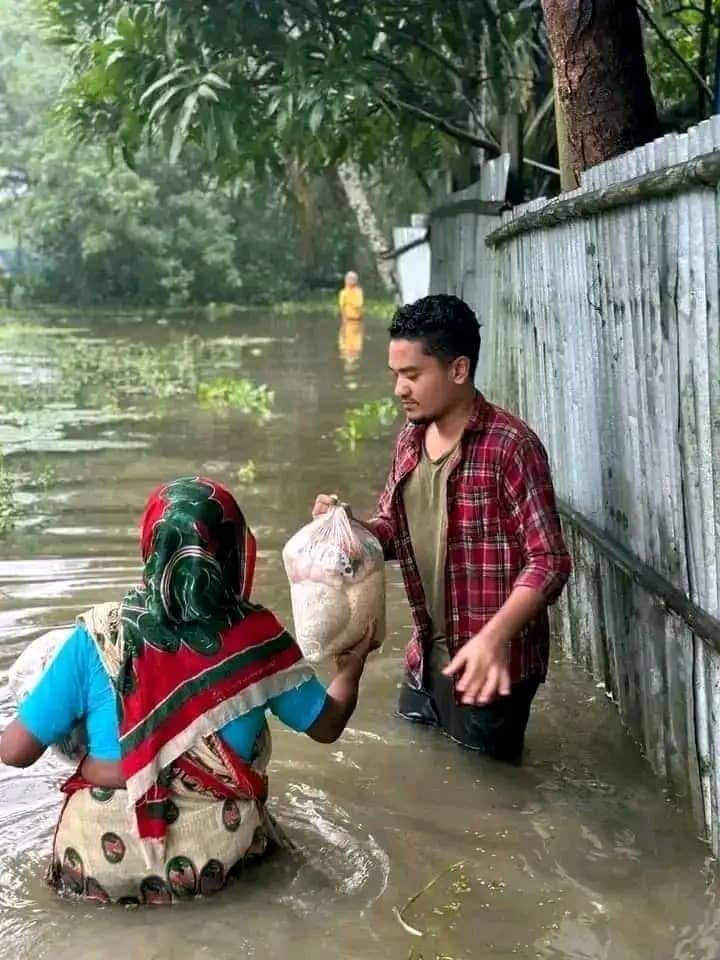
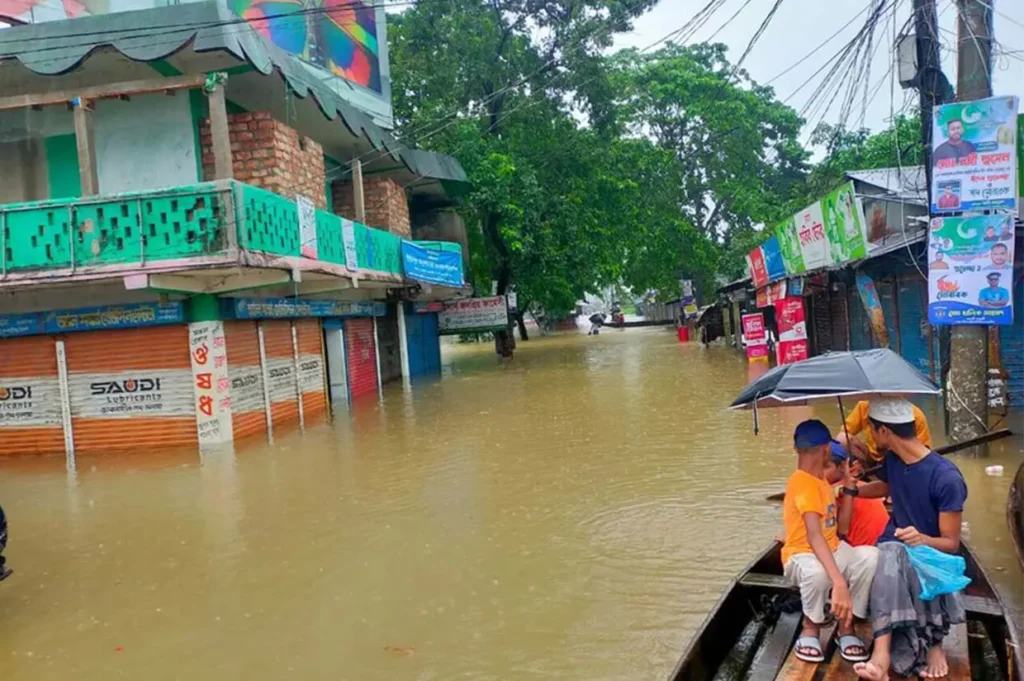
Floods are a significant and frequent natural disaster in Bangladesh, affecting millions of people every year. Due to the country’s low-lying geography, heavy monsoon rains, and rivers that flow from neighboring countries, Bangladesh experiences severe floods that disrupt daily life, destroy homes, and cause loss of life and property.
Let’s see below to know why do floods happen in Bangladesh.
Geographic Location Of Bangladesh
Bangladesh is largely a flat, low-lying region formed by sediment deposits from three major rivers: the Ganges, Brahmaputra, and Meghna. These rivers flow from the Himalayas and join in Bangladesh, creating a fertile but flood-prone environment.
The proximity of Bangladesh to the Bay of Bengal further increases its vulnerability to flooding. During the monsoon season, heavy rainfall and rising sea levels are also cause these rivers to overflow, leading to widespread flooding.
Additionally, the country is frequently hit by tropical cyclones, which can lead to storm surges that exacerbate the flooding problem. This unique geographic location makes Bangladesh susceptible to floods, impacting millions of lives yearly.
Monsoon Season And Heavy Rainfall
The monsoon season in Bangladesh, which typically runs from June to September, brings heavy and continuous rainfall across the country. This period is characterized by intense downpours that can last for days or even weeks, significantly contributing to the flooding problem. The heavy rainfall overwhelms the rivers and drainage systems, leading to the overflow of water into surrounding areas.
On average, Bangladesh receives about 2,200 millimeters (around 87 inches) of rainfall each year, with some regions experiencing even higher amounts during the monsoon season.
This immense volume of water, combined with the country’s low-lying terrain, often results in severe floods that inundate homes, farmlands, and entire communities. The combination of these factors makes the monsoon season a particularly dangerous time, as the risk of flooding is at its peak.
River Overflow And Siltation
Siltation is the process where fine particles, such as sand and silt, are carried by rivers and deposited along their beds and banks. Over time, these particles accumulate, reducing the river’s capacity to hold and channel water. In Bangladesh, siltation is a significant issue due to the massive sediment load brought by the Ganges, Brahmaputra, and Meghna rivers.
When rivers become choked with silt, their capacity to carry water decreases. This can lead to a situation where, during heavy rains or flooding events, the rivers overflow their banks more easily. The reduced capacity increases the risk of flooding in the surrounding areas, as the rivers cannot effectively manage the high volumes of water.
This accumulation of silt not only exacerbates flooding but also affects agriculture and infrastructure by altering the natural flow patterns and potentially leading to erosion and damage.
Melting Of Himalayan Glaciers
Climate change is significantly impacting the Himalayan glaciers, leading to increased melting. These glaciers, which feed the major rivers flowing into Bangladesh, are shrinking at an alarming rate due to rising temperatures. The meltwater from these glaciers contributes to the rivers’ flow, adding to the water volume during the monsoon season.
As glaciers melt more rapidly, the amount of water flowing into the Ganges, Brahmaputra, and Meghna rivers rises. This increased water flow can exacerbate flooding in Bangladesh, especially when combined with the heavy rainfall during the monsoon season. The timing of glacier melt often coincides with the monsoon rains, intensifying the risk of flooding as both factors contribute to higher river levels.
The seasonal patterns of glacier melt vary, but generally, the greatest runoff occurs during the summer months when temperatures are higher. This period overlaps with the monsoon season in Bangladesh, compounding the flooding risk and making it even more challenging to manage and mitigate the impacts.
Inadequate Infrastructure And Urbanization
In many Bangladeshi cities, inadequate drainage systems exacerbate flood conditions. Poorly designed or outdated drainage infrastructure struggles to cope with the volume of water during heavy rains, leading to significant urban flooding. Rapid urbanization has also altered natural water flow patterns, with new buildings and roads preventing water from being absorbed into the ground.
Human Activities And Mismanagement
Improper water management practices, such as poorly planned dam construction and water diversion projects, can exacerbate flooding. For example, if dams are not properly managed or maintained, they can fail or release excessive amounts of water, leading to downstream flooding. Similarly, the diversion of river water for irrigation or other purposes can disrupt natural water flow and contribute to flooding.
Human negligence and mismanagement in areas like floodplain encroachment and inadequate maintenance of flood defenses have led to severe flooding in the past. Instances of such mismanagement highlight the need for better planning and regulation to prevent flood-related disasters.
Climate Change And Rising Sea Levels
Climate change is altering weather patterns globally, including in Bangladesh. Increased temperatures and changing precipitation patterns lead to more intense rainfall and altered river flow. One of the significant threats posed by climate change is rising sea levels, which increase the risk of coastal flooding in low-lying areas like Bangladesh.
As sea levels rise, the risk of storm surges and tidal flooding increases. Long-term predictions suggest that the frequency and severity of flooding could become more pronounced, posing a growing threat to communities and infrastructure in Bangladesh.
FAQ
Why Are Floods So Common In Bangladesh?
Floods are common in Bangladesh due to a combination of geographical and climatic factors. The country is situated in the delta of the Ganges, Brahmaputra, and Meghna rivers, making it highly vulnerable to flooding. Heavy monsoon rains, riverbank erosion, and melting snow from the Himalayas contribute to the frequent and severe flooding. Additionally, the low-lying terrain and high population density exacerbate the impact of floods.
How Do Monsoon Rains Contribute To Flooding In Bangladesh?
During the monsoon season, which lasts from June to October, Bangladesh experiences heavy and prolonged rainfall. The intense rainfalls can overwhelm the capacity of rivers and drainage systems, leading to widespread flooding. The monsoon rains also cause river levels to rise, which can lead to riverbank breaches and inundation of surrounding areas.
What Role Does River Erosion Play In Flooding In Bangladesh?
River erosion is a significant factor in flooding in Bangladesh. The dynamic nature of river channels, combined with high sediment loads, causes rivers to erode their banks and shift their courses. This erosion can weaken river embankments and flood defenses, increasing the likelihood of floods. Additionally, sediment deposition in rivers can reduce their capacity to carry floodwaters, leading to more frequent and severe flooding.
How Does Climate Change Impact Flooding In Bangladesh?
Climate change has a profound impact on flooding in Bangladesh. Rising global temperatures contribute to more intense and unpredictable rainfall patterns, increasing the frequency and severity of floods. Additionally, the melting of glaciers in the Himalayas leads to higher river flows, further exacerbating flood risks. Sea-level rise caused by global warming also threatens coastal areas of Bangladesh, making them more susceptible to flooding from storm surges and high tides.
Conclusion
When someone asks why do floods happen in Bangladesh? A combination of natural and human factors is the cause of flood the simple answer. The country’s low-lying geography, the heavy rains of the monsoon season, and the overflow of major rivers all contribute to frequent and severe flooding.
Additionally, siltation in rivers, rapid glacier melting due to climate change, and inadequate infrastructure further worsen the situation.
 Secure
donation
Secure
donation