

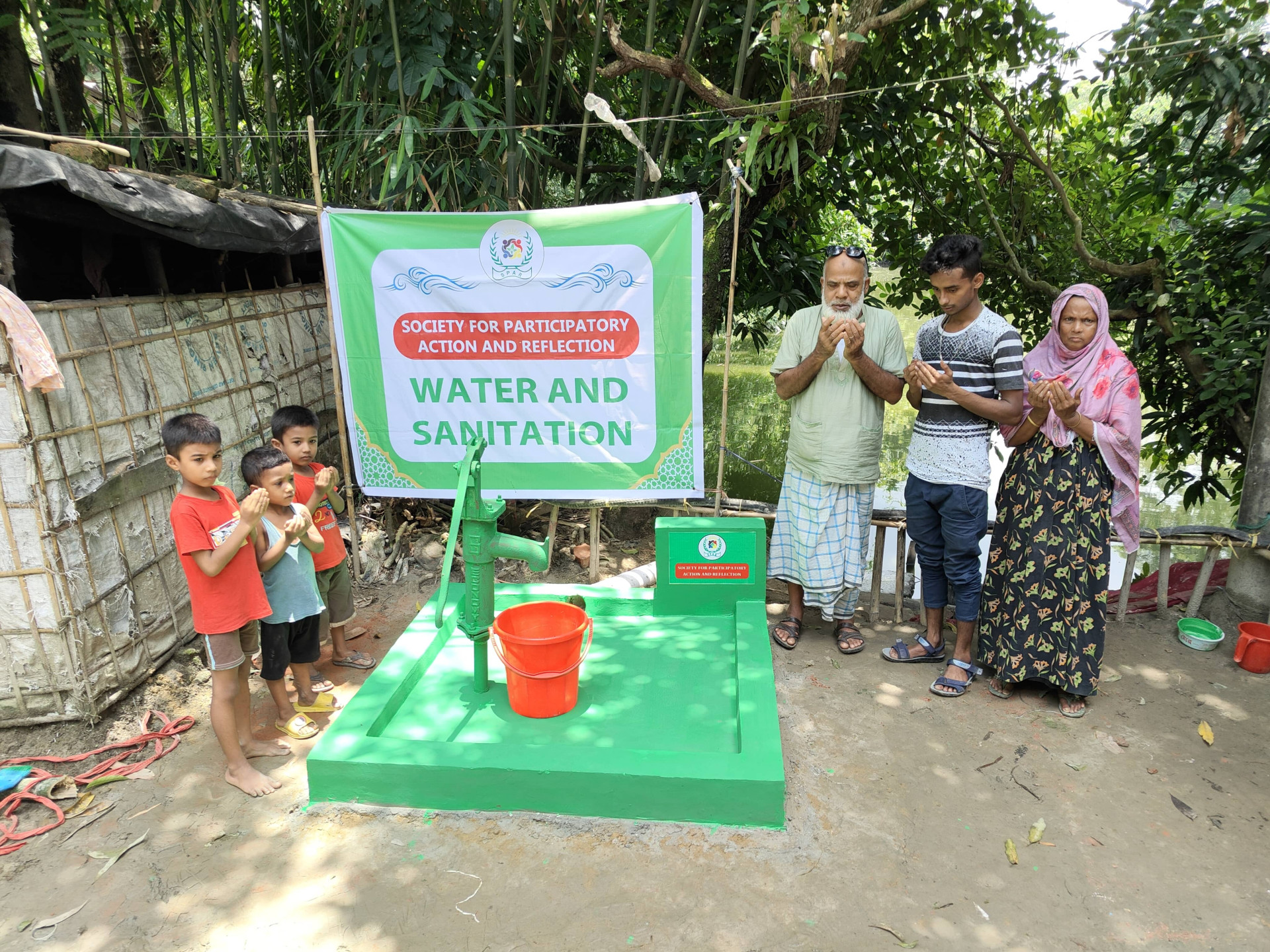
How To Drill A Well For Drinking Water? Learn Now To Save People!
Whether you are a donor, social worker, or volunteer, you must know the process of water harvesting. Why? It is because if you do not have basic knowledge, then it will be hard to manage your responsibility. Now the point is.
How To Drill A Well For Drinking Water?
To drill a well for drinking water, choose a location, use a drill to dig deep into the ground until you reach water, install a pipe and pump, and then seal the well to keep the water clean.
Well, It may seem very easy, but it’s a vast procedure that you need to go through. Lets start from the beginning.
What Is The Way To Drill A Well For Drinking Water?
There are different ways to drill water wells, depending on the type of place and the depth needed. A professional well worker will tell you which service to get based on your location and the rules in your area.
Pick A Site
Getting to the well site, the geography, and how close it is to possible sources of contamination all play a role in choosing the right spot for it.
Rights And Permissions
One gets the necessary licenses and follows the rules in their area. Some counties have specific rules about how deep you can drill and how deep the well pipe can be. Prior to drilling, a permit will always include a list of unique conditions and needs.
Drilling
They drill the well using the right way for the geology of the site and the depth they want to reach (mud or rock).
Making A Case And Grouting
A cover goes around the well to keep it from collapsing. The area between the casing and the drilled hole needs to be filled with grout to keep the well safe and clean.
Giving Up On Existing Well
When a new well is put in place of an old one, this step must be taken. During the process, grout is pumped to the bottom of the old well until it is full and can’t be used anymore.
Development Of Well
With the well, the water quality and flow will be better. This step helps to make sure that the well will work well and provide clean water in the future. Proper well growth can also make the well last longer and require less upkeep or repairs.
Testing And Treating The Water
Your well drilling business checks the quality of the well water and treats it if needed. In some areas, the permit fee also covers a usage and occupancy (U&O) test. This is to make sure that the well was drilled correctly and that the water can be used anywhere and is free of bacteria.
Setting Up The Pumping Equipment
Installing a pump and other related tools brings water from the well to the surface, making it easy to use in homes and businesses.
Analysis Of Water
The water test that the well drilling business does isn’t always complete. A water treatment technician can do this last step for you to be sure that your water is safe. They will check all of the basic amounts of your water, such as its acidity (Ph), iron content, and hardness. Carroll Water will do a free water analysis because they are a full-service business that drills wells and treats water.
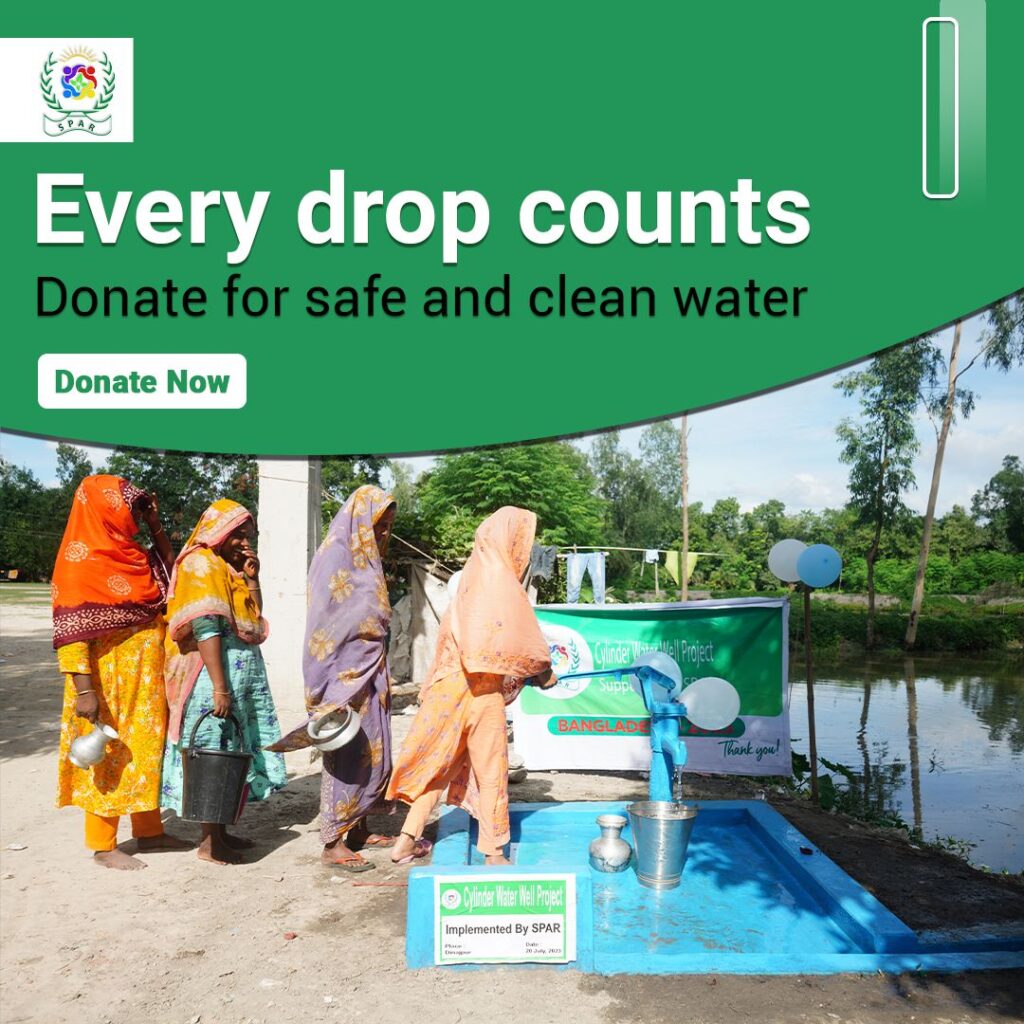
Why Should You Know The Water Well Drilling Process?
Understanding the water well drilling process is important, especially if you’re thinking about having a well on your property. Here’s why:
Better Decision-Making
When you know how the drilling process works, you can make informed decisions. You’ll understand what to expect, what materials are needed, and how much time it might take. This knowledge helps you choose the right company or method for your needs.
Cost Awareness
Knowing the process helps you understand the costs involved. You’ll know what you’re paying for, like drilling, casing, and installing a pump. This can prevent surprises and help you plan your budget better.
Safety Concerns
Drilling a well involves heavy machinery and deep digging, which can be dangerous. If you understand the process, you can better ensure that safety standards are met. This can protect you, your family, and the workers involved.
Water Quality
The way a well is drilled affects the quality of water you’ll get. Understanding the process ensures that the well is properly sealed and protected from contaminants. This leads to cleaner, safer water for drinking and other uses.
Environmental Impact
Drilling a well can affect the environment. Understanding the process helps you minimize any negative impacts, such as water depletion or contamination of nearby water sources.
Long-Term Maintenance
A well isn’t just about drilling; it’s also about maintenance. Knowing how the well was drilled can help you take better care of it in the long run. You’ll know what to look for in terms of wear and tear or potential problems.
Peace Of Mind
Lastly, understanding the water well drilling process gives you peace of mind. You’ll feel more confident knowing that you’ve made the best choices for your water source, ensuring it’s safe, reliable, and sustainable.
FAQ
What Is The First Step In Drilling A Well For Drinking Water?
The first step in drilling a well for drinking water is to conduct a site assessment. This involves selecting a suitable location based on factors like the geology of the area, the depth of the water table, and proximity to potential contamination sources. It’s also important to obtain any necessary permits from local authorities before starting the drilling process.
How Deep Should A Well Be Drilled To Ensure A Safe Supply Of Drinking Water?
The depth of the well depends on the local geology and the depth of the water table. Most drinking water wells are drilled to a depth of 100 to 500 feet. Deeper wells are generally more reliable as they are less likely to be affected by surface contamination and seasonal changes in the water table.
What Type Of Drilling Method Is Used For Creating A Drinking Water Well?
The most common drilling method for drinking water wells is rotary drilling, which uses a rotating drill bit to bore through the earth. In areas with loose soil or sand, a technique called cable tool drilling may be used. The choice of method depends on the ground conditions and the depth required.
How Is The Water Quality Of A Newly Drilled Well Tested?
After drilling, it’s crucial to test the water quality to ensure it is safe for drinking. A sample of the water is taken and tested for contaminants such as bacteria, nitrates, heavy metals, and chemicals. Regular testing should be done to monitor the water quality over time.
What Maintenance Is Required For A Drinking Water Well?
Regular maintenance of a drinking water well includes periodic inspection of the well’s structure, testing the water quality, and cleaning the well to remove any debris or buildup of sediment. It’s also important to ensure that the wellhead is properly sealed to prevent contamination from surface water and other pollutants.
Conclusion
Understanding how to drill a well for drinking water is crucial for making informed decisions, ensuring safety, and securing clean water. It also helps you plan your budget, minimize environmental impact, and maintain the well long-term. This knowledge gives you peace of mind, knowing that your well is safe, reliable, and sustainable for the future.


 Secure
donation
Secure
donation